
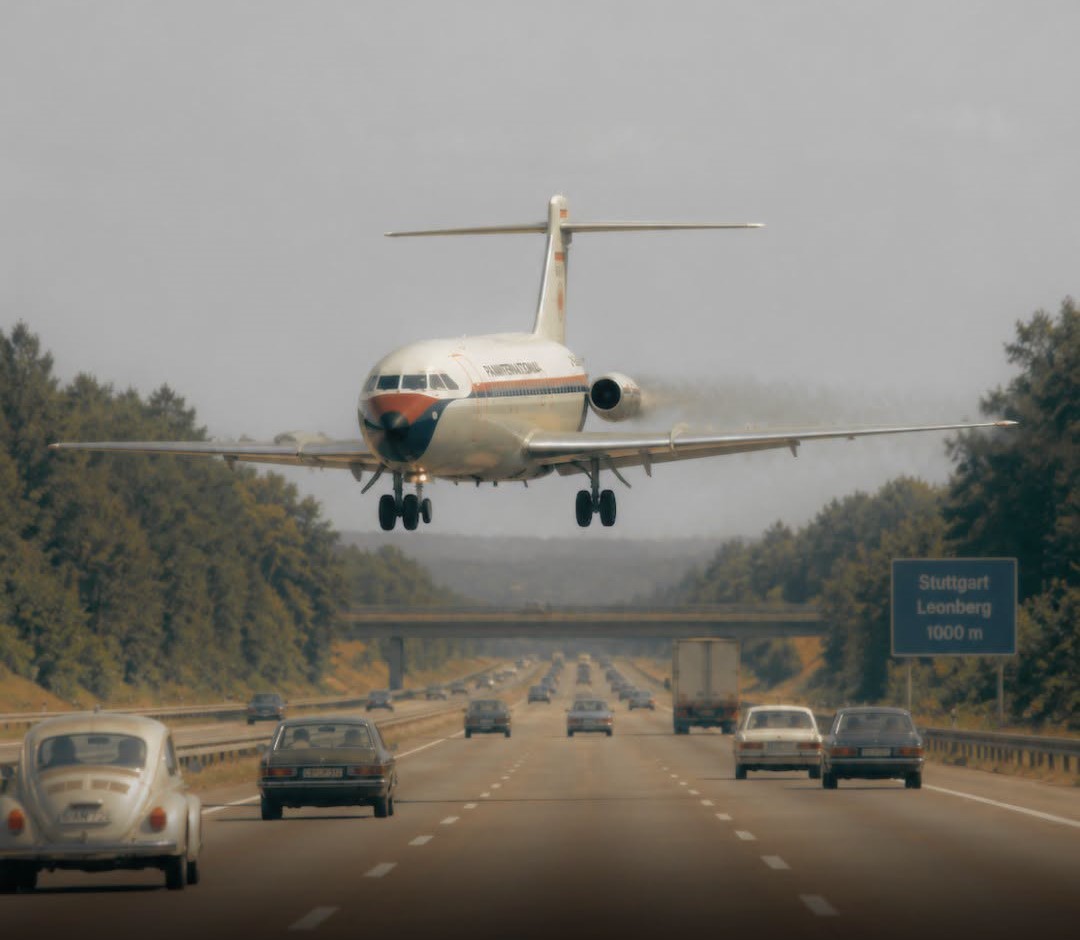
On September 6, 1971, Paninternational Flight 112 departed Hamburg Airport for Málaga, Spain, carrying 115 passengers and six crew members aboard a BAC 1-11.
The holiday charter flight appeared routine as it climbed away from Hamburg, but within seconds the aircraft was heading toward disaster.
The aircraft, registered D-ALAR, had been prepared for a “hot and heavy” takeoff. Because its weight exceeded the normal maximum takeoff limit for the prevailing conditions, the pilots planned to use the BAC 1-11’s water-injection system, which increased engine performance by cooling the engine airflow. Unknown to them, however, the system contained a deadly substitute for water.
The problem began during maintenance at Paninternational’s Düsseldorf base the previous day. Mechanics draining kerosene from a Boeing 707 had collected roughly 100 litres of fuel in two unmarked plastic drums.
The airline also used identical, unmarked drums to transport demineralized water. The fuel-filled containers were returned to storage without labels. The following day, two of those drums were mistakenly selected along with three genuine water containers and loaded aboard D-ALAR.
At Hamburg, the contents were transferred into the aircraft’s water-injection tank. About 100 litres were actually kerosene. Because kerosene was lighter than water, it separated and floated above the water.
During the takeoff, the injection system initially pumped water, so everything appeared normal. About 25 seconds after becoming airborne, the water supply was exhausted and the pumps began feeding kerosene into both Rolls-Royce Spey engines.
The result was catastrophic. The engines began overheating and surging, producing loud bangs, smoke and flames before rapidly losing thrust. At roughly 700 feet, both engines had effectively failed.
Captain Reinhold Hüls requested assistance from air traffic control, but there was insufficient altitude and time to turn back to Hamburg Airport. The aircraft climbed only to about 850 feet before descending rapidly.
Hüls chose the A7 Autobahn as an emergency landing site. Traffic made the decision even more difficult: the northbound lanes were heavily occupied by commuters, so landing there could have caused an even greater catastrophe.
The crew instead lined up with the relatively clear southbound carriageway, despite having to land against the direction of traffic.
At about 278 km/h, Flight 112 touched down on the motorway, but the landing quickly deteriorated. The aircraft veered left and collided with the concrete supports of an overpass. The impact tore away the cockpit, right wing and tail section and broke the fuselage apart. Wreckage and debris were scattered across nearly 400 metres of the Autobahn.
Twenty-two of the 121 people aboard died—21 passengers and one crew member—while 99 survived. Although the wreckage subsequently caught fire, the investigation found that the majority of fatalities resulted from the violent impact rather than passengers being trapped and killed by the post-crash fire.
The investigation ultimately traced the disaster to a chain of preventable maintenance and organizational failures. Unmarked containers allowed kerosene drained from a Boeing 707 to be mistaken for demineralized water, which was then pumped into a system designed to inject water into the engines.
Investigators also uncovered serious weaknesses in Paninternational’s operating practices and storage procedures. Two maintenance workers were eventually sentenced to prison in 1974.
The crash became a stark example of how a seemingly minor ground-handling mistake could escalate into a catastrophic airborne emergency within seconds—and how the pilots’ decision to use an Autobahn as an improvised runway ultimately saved many lives, even though 22 people did not survive.