
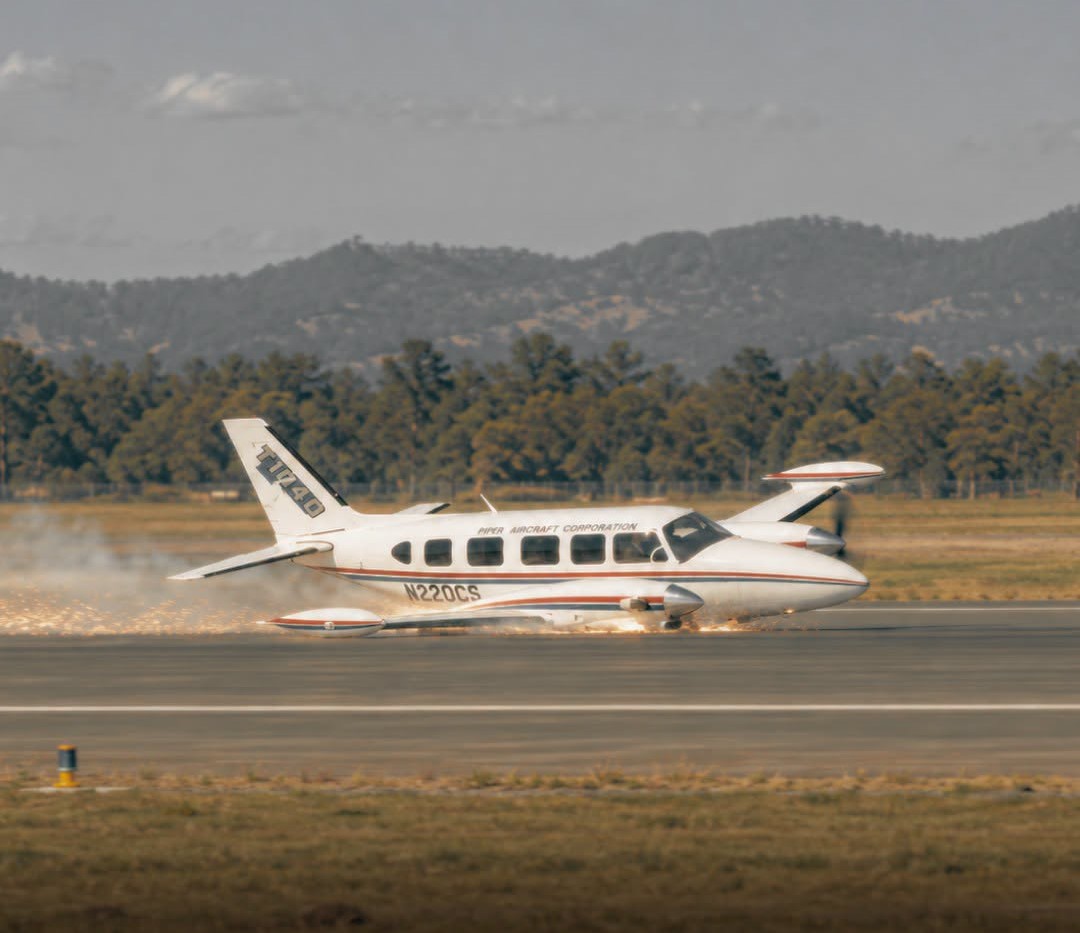
On September 18, 2000, Cape Smythe Air Service Flight 181, a Piper PA-31T3 Cheyenne registered N220CS, was operating a scheduled commuter flight from Deadhorse to Nuiqsut, Alaska.
The aircraft carried one pilot and nine passengers. At about 3:10 p.m. local time, the flight ended in a fatal crash roughly 300 yards south of Nuiqsut Airport, killing the pilot and four passengers while seriously injuring the other five.
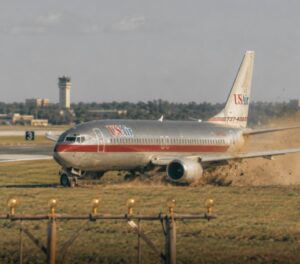
The approach to Nuiqsut had reportedly been uneventful. Weather conditions were visual, with 10 miles of visibility and winds from 232 degrees at 12 knots. As the aircraft landed on the gravel Runway 22, witnesses saw that its landing gear was still retracted.
The belly-mounted cargo pod struck and scraped the runway for approximately 40 feet, but the propellers did not hit the surface. Instead of stopping, the aircraft transitioned into a climb.
As the airplane climbed away, witnesses saw the landing gear extend. It reached only about 100 to 150 feet above the ground before beginning a descending left turn. Survivors recalled that the aircraft suddenly pitched upward at an estimated 30-to-45-degree angle, then shuddered and rolled from side to side.
A warning horn was heard as the airplane banked left, moments before it descended toward the tundra. The aircraft struck the ground in a left-wing-low attitude.
The impact produced a wreckage trail approximately 300 feet long. The landing gear, belly pod, left wing and left engine separated during the collision. A post-crash fire consumed much of the fuselage, right wing and right engine.
Five passengers seated toward the rear survived and escaped through the main cabin door area and over-wing emergency exit. Several suffered fractures, spinal injuries and concussions. One passenger initially survived after being pulled from the wreckage but died six days later.
The investigation found no evidence of a pre-impact mechanical malfunction involving the aircraft’s engines, propellers or engine accessories. Investigators determined that the landing gear had not been extended before touchdown, the prelanding checklist had not been used, and the subsequent aborted landing was improperly performed.
The flaps were found at 40 degrees, while the prescribed balked-landing procedure called for reducing them to 15 degrees before retracting them. The aircraft subsequently entered an inadvertent stall or mush at extremely low altitude.
A critical contributing factor was the landing-gear warning system. The gear warning horn had been improperly adjusted by company maintenance personnel. The survivors did not hear a warning before the gear-up touchdown.
Investigators also discovered that the aircraft had experienced previous landing-gear problems and gear-up events, highlighting a recurring safety issue.
The pilot had reported a nose-gear extension problem on August 4, 2000, and another gear indication problem four days later. Earlier events involving the same aircraft type at the operator had also included gear-up landings.
The investigation found that these warning signs had not prevented another gear-related occurrence.
The FAA had conducted a safety inspection of the operator months before the crash and identified concerns involving procedures, management oversight and training.
The inspection found that seven of eight PA-31 events involving the operator occurred during approach or landing, while all multiengine events had been flown single-pilot. The FAA recommended that the company establish stronger procedures and require two pilots for PA-31 operations.
Following the crash, the Fairbanks FAA office required two pilots for passenger flights involving the PA-31T3, although single-pilot cargo operations were permitted. The accident became the operator’s only fatal accident in the period reviewed, with five fatalities and five serious injuries.
The NTSB concluded that the crash resulted from the pilot’s failure to extend the landing gear, improper execution of the aborted landing and an inadvertent stall or mush. Contributing factors included improper adjustment of the landing-gear warning horn by company maintenance personnel and the pilot’s failure to use the prelanding checklist.