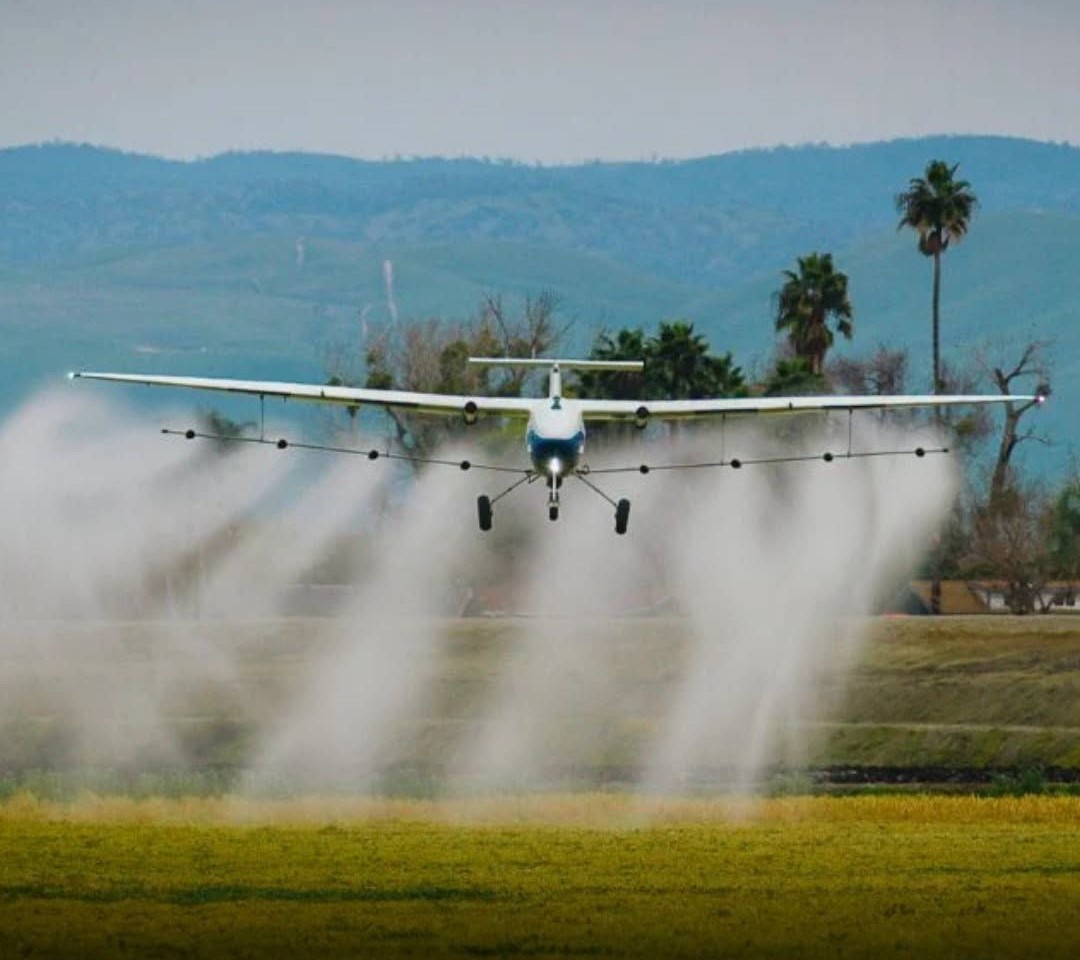
In California’s San Joaquin Valley, a remarkable aircraft is flying just feet above farmland, spraying crops without a pilot onboard.
The aircraft belongs to Pyka, a California-based aviation startup developing autonomous fixed-wing aircraft for crop spraying and cargo delivery. Its electric crop-spraying aircraft has an 11.5-metre wingspan, can fly for around 35 minutes and carry up to 300 litres of liquid.
Engineers can program the aircraft’s entire mission from the ground. The system maps the area, plans a route around obstacles such as power lines, takes off, sprays the crops, detects when its tank is running low, lands for a refill and then takes off again — continuing almost exactly where it stopped.
The technology is already moving beyond testing. Around a dozen Pyka aircraft are reportedly operating in Brazil, spraying crops such as cotton and soybeans — work that was previously performed by human pilots.
But autonomous aviation is about much more than agriculture.
Companies are developing pilotless aircraft for cargo delivery, particularly to remote locations. UK-based Windracers, for example, is seeking approval for an autonomous cargo operation serving Scotland’s Shetland and Orkney islands.
Supporters believe autonomous aircraft could help address pilot shortages, remove people from dangerous jobs, increase efficiency and eventually reduce operating costs by allowing one ground operator to supervise multiple aircraft.
The ultimate ambition is even bigger: passenger flights.
Pyka CEO Michael Norcia envisions fleets of autonomous aircraft carrying passengers along the US East and West Coasts, potentially competing with the emerging eVTOL air-taxi industry.
But getting there will be difficult.
Unlike an autopilot, which assists a human pilot, an autonomous flight system is expected to manage the entire flight — including takeoff, navigation, obstacle avoidance and landing.
Aviation regulators also demand extremely high safety standards because the consequences of an aircraft accident can be catastrophic.
Pilot groups remain strongly opposed to removing pilots from commercial aircraft, arguing that autonomous aviation introduces unacceptable safety risks.
For now, the technology is starting with controlled environments such as agriculture and cargo. But if autonomous systems continue to prove themselves safe and reliable, the skies of the future could look very different.
The big question is no longer whether aircraft can fly without a pilot.
It’s whether regulators — and passengers — will trust them enough to make it routine.