
The U.S. Air Force says its ambitious B-52 Stratofortress modernization program remains on schedule and within budget, even after a devastating test flight crash in June claimed the lives of all eight crew members on board.
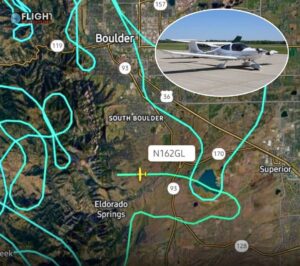
The B-52H bomber crashed on June 15 while taking off from Edwards Air Force Base, California, during a mission to test its next-generation radar system. The fatal accident temporarily halted flight testing, and investigators are still working to determine what caused the aircraft to go down.
Despite the tragedy, Air Force officials confirmed that a second B-52 test aircraft—already planned as part of the original program—is currently being modified with the same advanced radar package. According to B-52 Program Manager Col. Spencer Turner, the aircraft is expected to complete its upgrades before the end of 2026, allowing the modernization flight test campaign to resume once it is cleared.
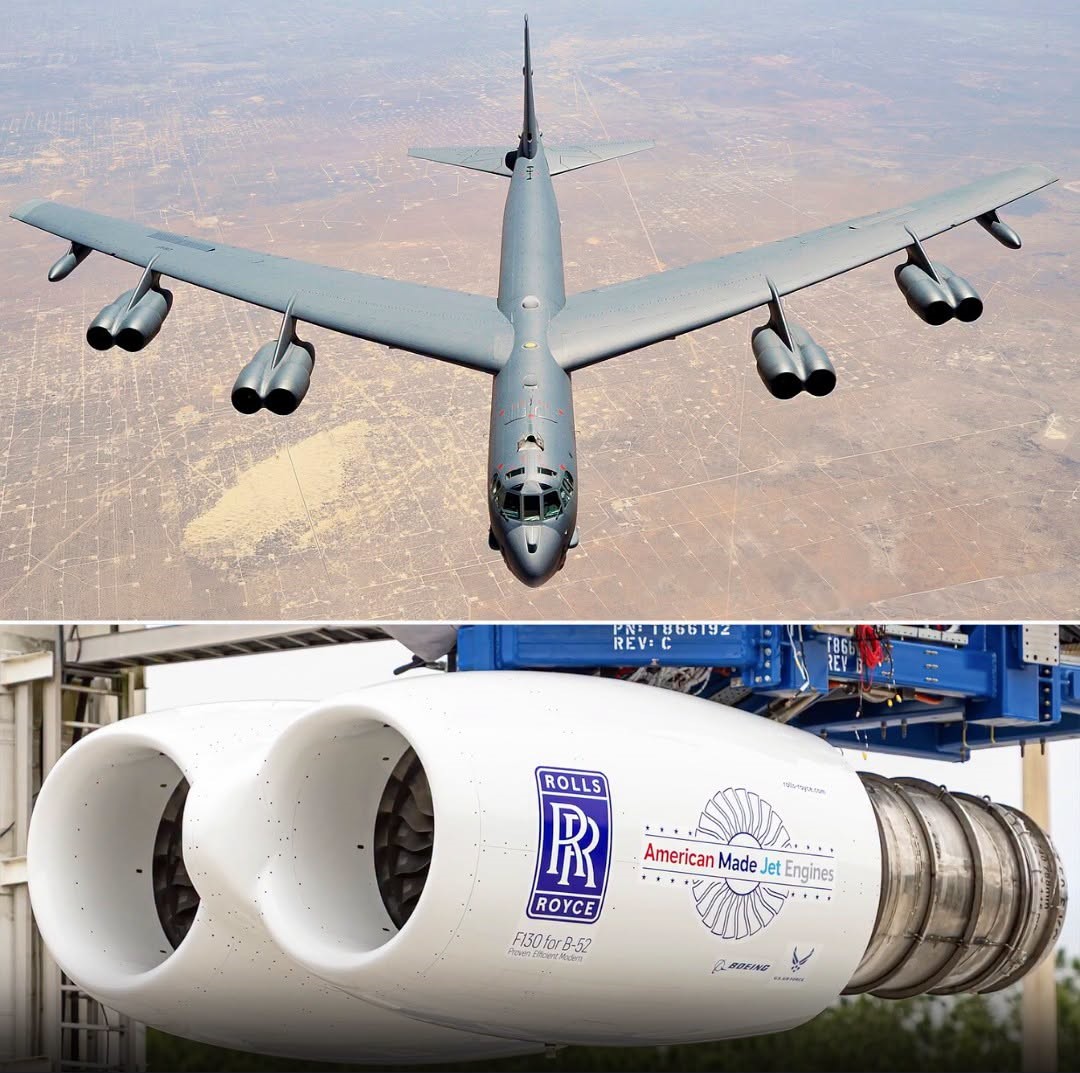
The radar upgrade is one of the most significant improvements planned for the legendary bomber. Developed by Raytheon under Boeing’s integration contract, the new AN/APQ-188 radar is derived from modern fighter aircraft technology and will dramatically improve navigation, targeting, and survivability. Alongside the radar, the fleet is also receiving new Rolls-Royce F130 engines under the Commercial Engine Replacement Program (CERP), transforming the aircraft into the future B-52J variant.
Originally introduced in the 1950s, the B-52 remains one of the longest-serving military aircraft in history. The modernization effort is designed to keep the bomber operational into the 2050s, ensuring it remains a critical part of America’s long-range strike capability for decades to come.
However, upgrading aircraft that have been flying since the 1960s is proving to be a major engineering challenge. The radar modernization program previously triggered a Nunn-McCurdy cost breach in 2025 after costs exceeded legal thresholds, forcing the Air Force to scale back some planned upgrades during the initial rollout.
Even so, Air Force officials insist the overall modernization effort remains stable.
“Anytime you take an aircraft of this age and re-engine it and put a new radar on it, it is a significant lift,” Turner said, adding that the Air Force remains focused on maintaining both cost and schedule while delivering the upgraded bombers to the fleet.
Flight testing remains paused until investigators complete their analysis of the June crash. The Air Force also plans to review and potentially adjust its testing strategy based on the investigation’s findings before returning the modernized aircraft to the skies.
The B-52 has served in conflicts from the Vietnam War to modern-day operations, and with these upgrades, the iconic bomber is expected to continue flying well beyond its 100th anniversary.