
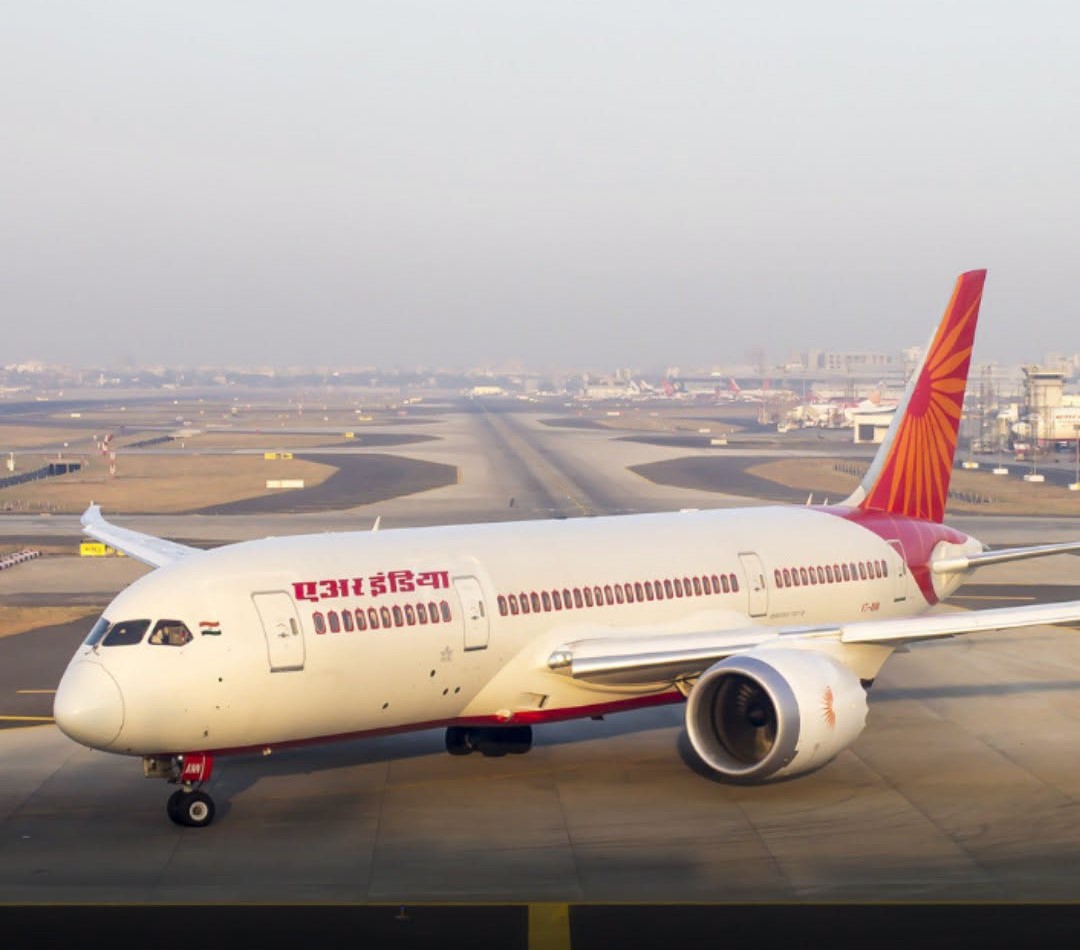
Air India is carrying out phased modifications on parts of its Boeing 787 Dreamliner fleet after the U.S. Federal Aviation Administration (FAA) issued an Airworthiness Directive addressing a potential issue with door assist handles.
The directive applies to certain Boeing 787-8, 787-9, and 787-10 aircraft after reports that door assist handles became detached from their lower mounting point during pre-flight inspections. According to the FAA, if left uncorrected, the issue could pose an injury risk to passengers, crew members, or maintenance personnel while opening aircraft doors and could also hinder emergency evacuation in time-critical situations.
Air India, which operates a fleet of 35 Dreamliners—including 26 Boeing 787-8s and 9 Boeing 787-9s—is implementing the required modifications in phases. Sources said the airline is fully aware of the FAA directive and emphasized that there is no impact on current flight operations or passenger safety. Some of the airline’s legacy Dreamliners have already undergone the required upgrades, while work on the remaining affected aircraft will continue in stages.
To address the issue, the FAA has instructed airlines to install new retaining components on the door support bracket assemblies, inspect forward and aft door assist handles, and perform additional corrective actions where required. Depending on the aircraft configuration, some Dreamliners will also receive updated markings or placards as part of the modification.
Neither Air India nor Boeing has officially commented on the directive. Meanwhile, IndiGo, which operates five leased Boeing 787 Dreamliners from Norse Atlantic Airways, may also be required to comply if its aircraft fall within the affected production range.
The FAA stressed that the directive is a preventive safety measure designed to eliminate the risk before it can affect aircraft operations. While passengers are unlikely to notice any difference, the modifications are aimed at ensuring that emergency exits function as intended under all circumstances.