
The preliminary cockpit voice recorder transcript shows at least one pilot recognized that the Boeing 767 was “too fast” during the approach to Miami International Airport.
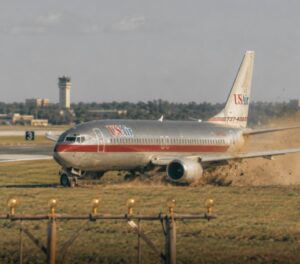
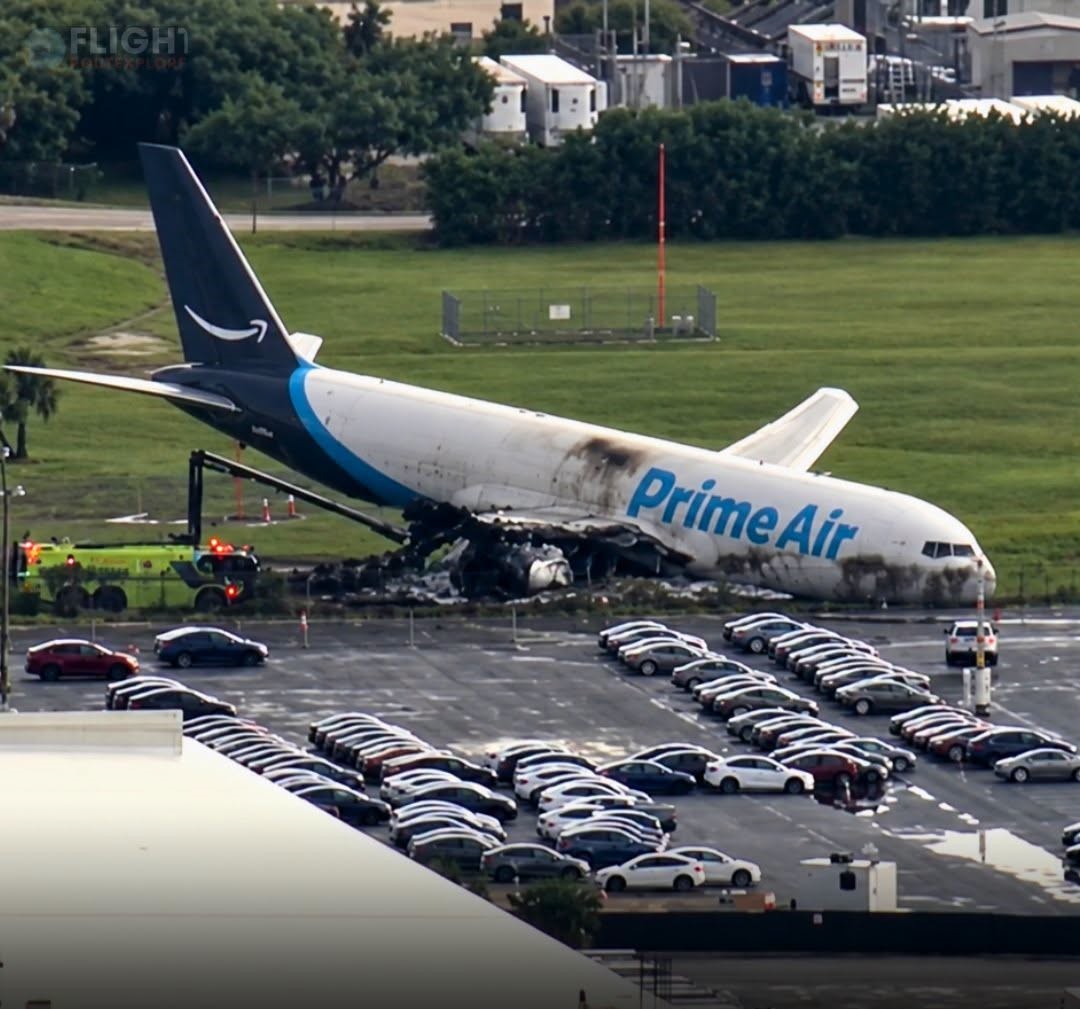
The aircraft landed long, overran the runway and struck a van on an airport perimeter road, killing five of the seven people inside.
It then crashed through airport equipment and fences, hit an SUV and came to rest in a parking lot, where it caught fire.
The NTSB has released the final 6 minutes and 2 seconds of cockpit audio and the last 30 seconds of flight-data recordings.
Both pilots had thousands of flight hours, but the NTSB has not yet identified which pilot was flying during the approach.
The findings are preliminary and could change as the investigation continues.
==CVR Timeline==
06:02: A pilot called for the flaps to be set to 1 degree.
04:18: The flight crew checked in with Miami tower and were cleared to land on runway 30.
02:53: A pilot called for flaps to be set to 5 degrees.
02:37: The flight crew lowered the landing gear.
02:14: A pilot called for the flaps to be set at 15 degrees.
01:42: A pilot called for flaps to be set to 20 degrees. The other pilot cautions that they were too fast. Per the NTSB, “The other pilot made additional comments regarding the aircraft’s excessive speed throughout the remainder of the recording. There was not a consistent verbal response to the comments about speed.”
01:23: Sounds consistent with autopilot disconnect.
01:12: Electronic “one thousand” callout.
01:04: Electronic “sink rate sink rate” callout.
00:58: Electronic “five hundred” callout.
00:57: Electronic “sink rate sink rate” callout.
00:54: Electronic “one hundred” callout.
00:50: Electronic “minimums” callout.
00:48: Electronic “two low terrain” callout four times.
00:41: A pilot called for flaps to be set to 30 degrees
00:40: Electronic “forty” callout.
00:39: Electronic “too low terrain” callout.
00:36: Electronic “ten” callout.
00:31: Sounds similar to the aircraft touching down.
00:15: A pilot calls for a go around.
00:10: Sounds similar to the aircraft departing the paved surface.
00:00: CVR recording ends.
==The FDR==
The last 30 seconds of the FDR is referenced relative to the end of the FDR recording. The CVR and FDR times have not been precisely synchronized.
00:30: The nose and right main landing gear of the aircraft touch down at a ground speed of 158 knots.
00:23: The brakes were applied at a groundspeed of 146 knots.
00:19: The left main gear touches down at a ground speed of 134 knots.
00:15: The brakes were released at a groundspeed of 120 knots and the throttles were increased to a value consistent with go-around thrust.
00:11: The throttles were reduced to idle power and the brakes reapplied. The ground speed was 117 knots. The throttles remained at idle and the brakes remained applied until the end of the recording.
00:07: Recorded lateral, longitudinal, and vertical acceleration values changed markedly; the FDR data indicated a groundspeed of 96 knots.
00:00: The FDR recording ends. The final groundspeed was 65 knots. There was no indication in the recorded data that speed brakes or thrust reversers were deployed.
The NTSB investigation is still in the preliminary stages. A full transcript of the CVR will be created by the NTSB at a later date.