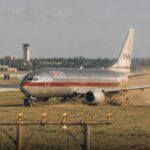

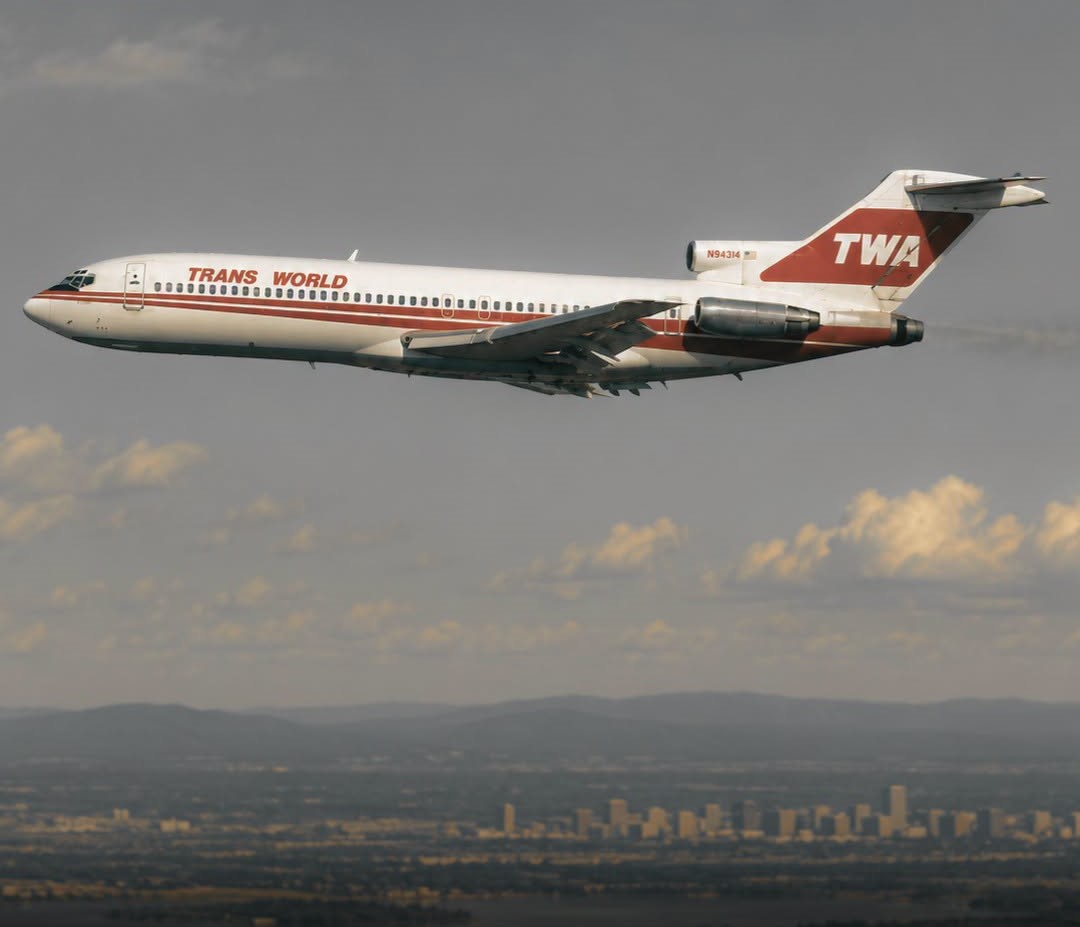
On September 10, 1976, Trans World Airlines Flight 355 departed New York’s LaGuardia Airport for Chicago O’Hare aboard a Boeing 727-231 carrying 92 people, including 85 passengers and seven crew members.
About 95 minutes into the flight, five Croatian separatists seized control of the aircraft, claiming they possessed a bomb. Their objective was not simply to take the aircraft hostage, but to draw international attention to their campaign for Croatian independence from Yugoslavia.
The hijackers—Zvonko Bušić, his wife Julienne Bušić, Slobodan Vlašić, Petar Matanić and Frane Pešut—forced the crew to divert to Montreal’s Mirabel International Airport.
There, they refueled and revealed that they had supposedly planted another bomb inside a locker at New York’s Grand Central Terminal. They provided authorities with instructions for locating the device and demanded that a political appeal supporting Croatian independence be published in several major American newspapers.
The aircraft then continued to Gander, Newfoundland, where negotiations resulted in 35 passengers being released. The remaining passengers and crew were subsequently taken onward as the hijackers sought to reach Europe.
Their intended destination was London, but British authorities refused permission for the aircraft to land. The Boeing 727 was eventually directed toward Iceland and later continued to Paris.
While the passengers remained aboard the hijacked aircraft, police in New York located the device described by the hijackers. What followed became the most tragic part of the incident.
Officers transported the device to Rodman’s Neck Firing Range and attempted to dismantle it rather than destroy it. During the operation, it unexpectedly exploded, killing NYPD officer Brian Murray and seriously injuring another officer, Terrence McTigue.
The aircraft eventually landed in Paris, where the hijackers surrendered after negotiations involving U.S. Ambassador Kenneth Rush. The supposed bombs aboard the aircraft were then discovered to be fake devices made from pressure cookers.
Although nobody aboard Flight 355 was killed, the hijacking ultimately resulted in one ground fatality. All 92 people on the aircraft survived.
The investigation established that the hijacking was politically motivated rather than an attempt to steal money or escape from the United States. The group wanted worldwide publicity for its campaign against Yugoslavia, using the aircraft, passengers and bomb threat as leverage.
The discovery that the airborne explosive devices were crude fakes did not lessen the consequences: the real device planted in New York had already killed a police officer.
The five hijackers were later prosecuted in the United States. Zvonko and Julienne Bušić received mandatory life sentences because of the death of Officer Murray, while Vlašić, Matanić and Pešut were sentenced to 30 years.
Several were eventually released, while Zvonko Bušić remained imprisoned for decades before being paroled in 2008. The hijacking remains one of the most unusual episodes in American aviation history because a flight intended to become a political propaganda operation ended with a fatal explosion thousands of miles from the aircraft.