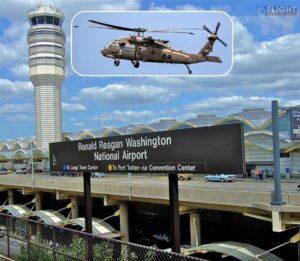

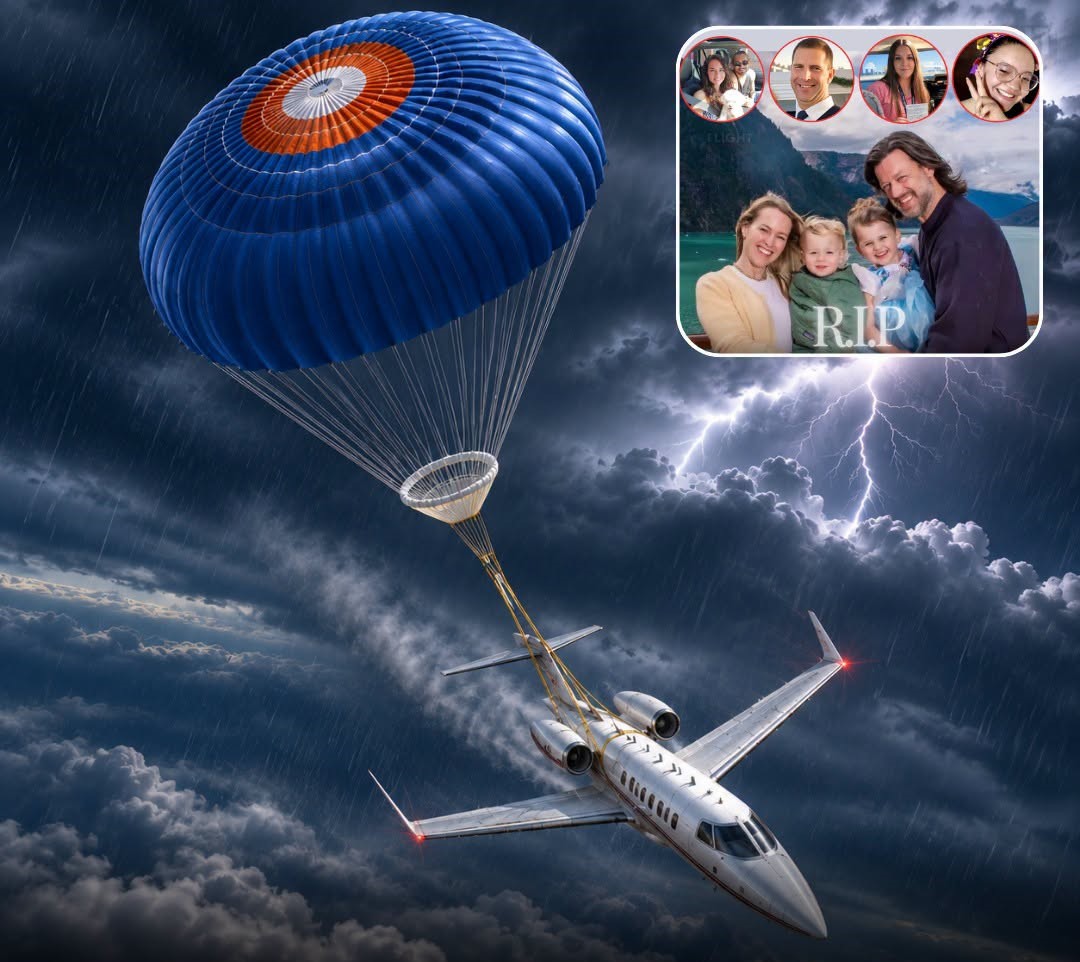
The tragic Learjet 60 crash in Palm Beach County, Florida, on November 1, which claimed nine lives, raises an important question about the future of business aviation safety.
Investigators are examining severe weather conditions as a possible factor. The pilots reportedly encountered icing, precipitation and moderate turbulence at approximately 35,000 feet before the aircraft entered an extremely rapid descent. The actual cause remains under investigation.
But this tragedy raises an interesting engineering question.
Why aren’t more business jets equipped with an emergency whole-aircraft parachute system similar to the Cirrus Airframe Parachute System (CAPS)?
Cirrus has demonstrated that an entire aircraft can descend under a large, rocket-deployed parachute. The technology is credited with saving hundreds of lives. Even the Cirrus Vision Jet, a business-class single-engine jet, incorporates this technology.
So why not larger business jets like the Learjet 60?
Of course, it isn’t as simple as attaching a parachute to an aircraft.
A Learjet 60 weighs several tonnes, travels at high speeds and operates at altitudes where emergency deployment presents enormous engineering challenges. The parachute would need to withstand tremendous opening forces, while the aircraft structure would require reinforced attachment points. Deployment at excessive speeds could itself cause catastrophic structural damage.
But what if manufacturers explored a different approach?
Instead of attempting to bring a heavy jet to a gentle landing under a parachute, could a multi-stage emergency recovery system be designed to significantly reduce its descent rate?
Imagine a system that deploys multiple parachutes or a controlled aerodynamic deceleration device, helping stabilise the aircraft and reduce its vertical speed before impact.
Would it work? That remains an engineering question requiring extensive research, testing and certification.
It is also important to recognise that such a system may not help if an aircraft has already suffered structural breakup or is travelling outside the system’s deployment limits.
However, even a partial reduction in impact energy could potentially improve survivability in certain emergencies.
Aviation safety has always evolved by questioning existing assumptions. Seat belts, fire suppression systems, evacuation slides and whole-aircraft parachutes were all innovations that once seemed difficult to implement.
Perhaps it is time for business aviation manufacturers to investigate whether emergency parachute or controlled-descent recovery systems can be made practical for heavier aircraft.
The objective is not to replace good piloting, weather avoidance or aircraft design. It is to provide one more layer of protection when everything else has failed.
Should the next generation of business jets have an emergency parachute or controlled-descent recovery system as standard safety equipment?
Could this technology save lives in the next aviation emergency?