
What was supposed to represent the future of United Airlines’ long-haul travel experience has instead become a major headache.
United Airlines has reportedly sent one of its newest Boeing 787-9 Dreamliners back to Boeing after a series of recurring mechanical and technical issues that have repeatedly disrupted operations.
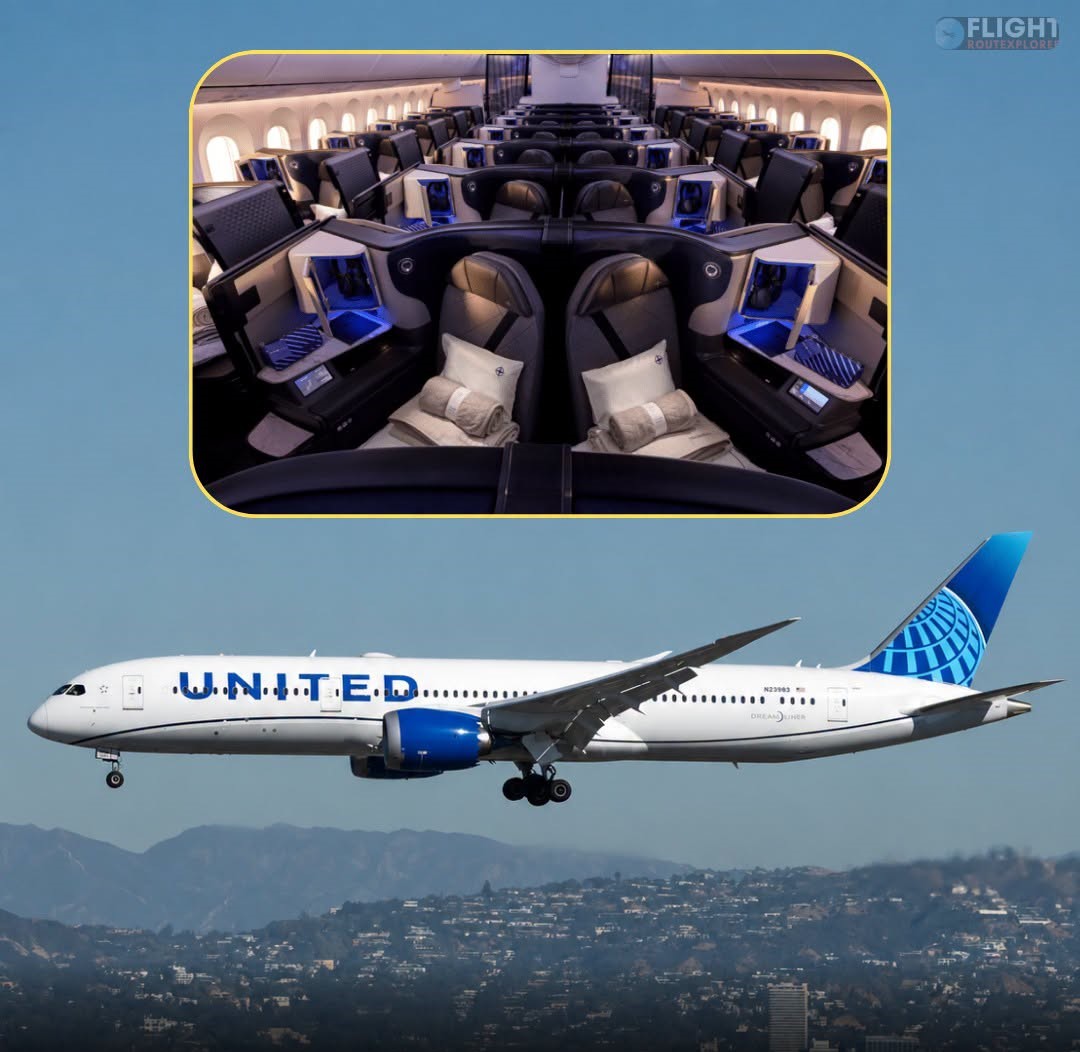
The aircraft, registered N61101, was delivered only a few months ago and was among the first Dreamliners equipped with United’s highly anticipated “United Elevated” interior, featuring next-generation Polaris Business Class suites, exclusive Polaris Studio seats, upgraded Premium Plus cabins, and redesigned economy seating.
The aircraft entered commercial service on March 29, but problems began appearing almost immediately.
Its first international assignment to Singapore ended in drama on April 24 when the crew reported a concerning electrical odor shortly after departure. The smell spread through the cabin, forcing pilots to divert the flight. Engineers initially suspected the issue could be linked to the aircraft’s powerful GEnx engines, prompting extensive testing after the aircraft landed.
Although the jet was eventually cleared to return to service, the problems didn’t stop there.
A second attempt to operate the Singapore route in early May also ended badly. The aircraft became stranded in Singapore and had to be ferried back to San Francisco without passengers for additional inspections and troubleshooting.
United then shifted the aircraft to other routes, including flights between San Francisco and London Heathrow, hoping the issues had finally been resolved. But the troubles continued.
On June 4, the aircraft successfully reached Singapore once again, only to be grounded for a third time before its scheduled return flight. Once more, it had to fly back empty to San Francisco.
The pattern repeated itself again on June 13 after a flight to London. Mechanical problems forced another grounding, resulting in the aircraft being ferried back across the Atlantic for the fourth time.
According to aviation industry sources, the problems affecting N61101 are significant enough that United’s own maintenance teams have been unable to fully resolve them. The aircraft has now been sent to Boeing’s facility in Moses Lake, Washington, where Boeing technicians are expected to perform specialized corrective work.
While new aircraft often experience minor “teething problems” as airlines introduce them into service, the frequency and severity of the issues affecting this Dreamliner appear far beyond what would normally be expected.
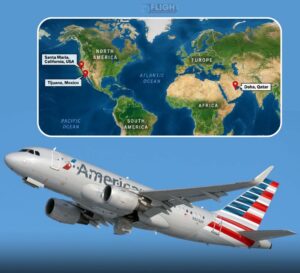
Adding to the concern, reports suggest another United Dreamliner featuring the same Elevated interior package has also experienced a notable number of technical issues. American Airlines has likewise faced challenges with some of its newest Boeing 787 deliveries.
The situation is particularly disappointing because United’s new 787-9 fleet is intended to showcase the airline’s future premium travel strategy. Each aircraft features 56 Polaris suites with privacy doors, 8 ultra-premium Polaris Studio seats, 35 Premium Plus seats, and a relatively small economy cabin designed to maximize premium revenue.
For now, one of United’s most advanced and luxurious aircraft remains grounded, as Boeing works to determine exactly why the Dreamliner has been unable to stay reliably in service.
Will Boeing quickly solve the mystery behind N61101, or is this a sign of deeper issues affecting some of the newest Dreamliners? Aviation enthusiasts and airline executives alike will be watching closely.