

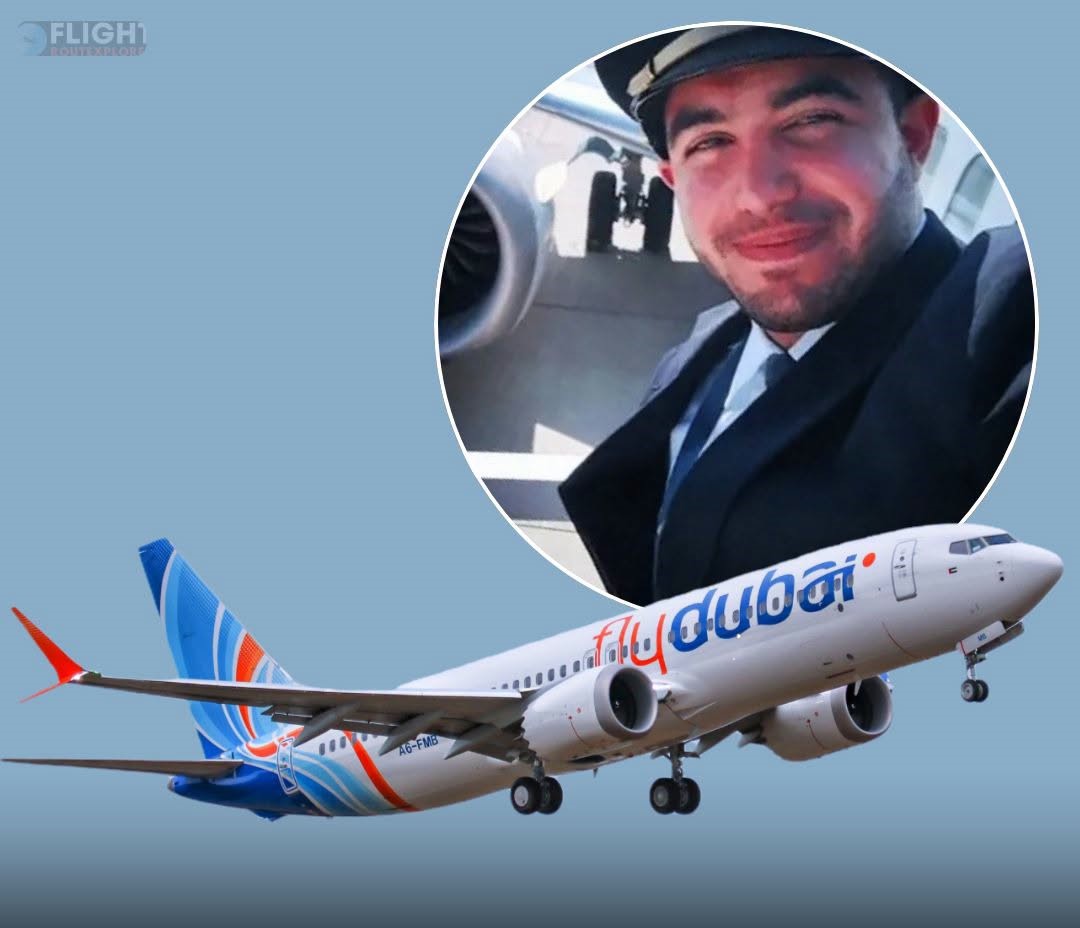
The UAE says an Omani flydubai co-pilot planned to seize a Dubai–Tel Aviv flight and crash it into a terminal at Israel’s Ben Gurion Airport in a suspected suicide attack on September 30.
According to UAE Attorney General Hamad Saif al Shamsi, the suspect allegedly attacked the captain with a crash axe while the Boeing 737 MAX 8 was flying over Saudi Arabia, triggering a dramatic loss of altitude.
The aircraft reportedly plunged 16,000 feet (4,900 metres) in just 30 seconds before the attacker was overpowered. Two other pilots on board then managed to land the aircraft safely in Saudi Arabia.
Investigators believe the alleged plot was inspired by the September 11, 2001, terrorist attacks in the United States. Prosecutors say the suspect had previously taken two flights to Tel Aviv to familiarise himself with the route and airport.
The investigation also found that the 29-year-old had met flydubai’s professional and security requirements during recruitment. Authorities said the hiring procedures had not revealed indications of extremist views or plans for a terrorist attack.
The suspect, reportedly identified by a source familiar with the matter as Hammam al-Hammami, had previously worked for airlines in different countries, including Oman Air, before joining flydubai in January 2026.
The incident raises serious questions about aviation security, insider threats and how airlines can identify potential risks that may not emerge through conventional recruitment checks.
Saudi Arabia has launched a separate aviation safety investigation into flight FZ1073. The UAE investigation is examining the alleged plot and the circumstances surrounding the cockpit attack.
The case highlights a chilling aviation security challenge: How can airlines detect a potential insider threat when an individual appears to meet all standard professional and security requirements?










