

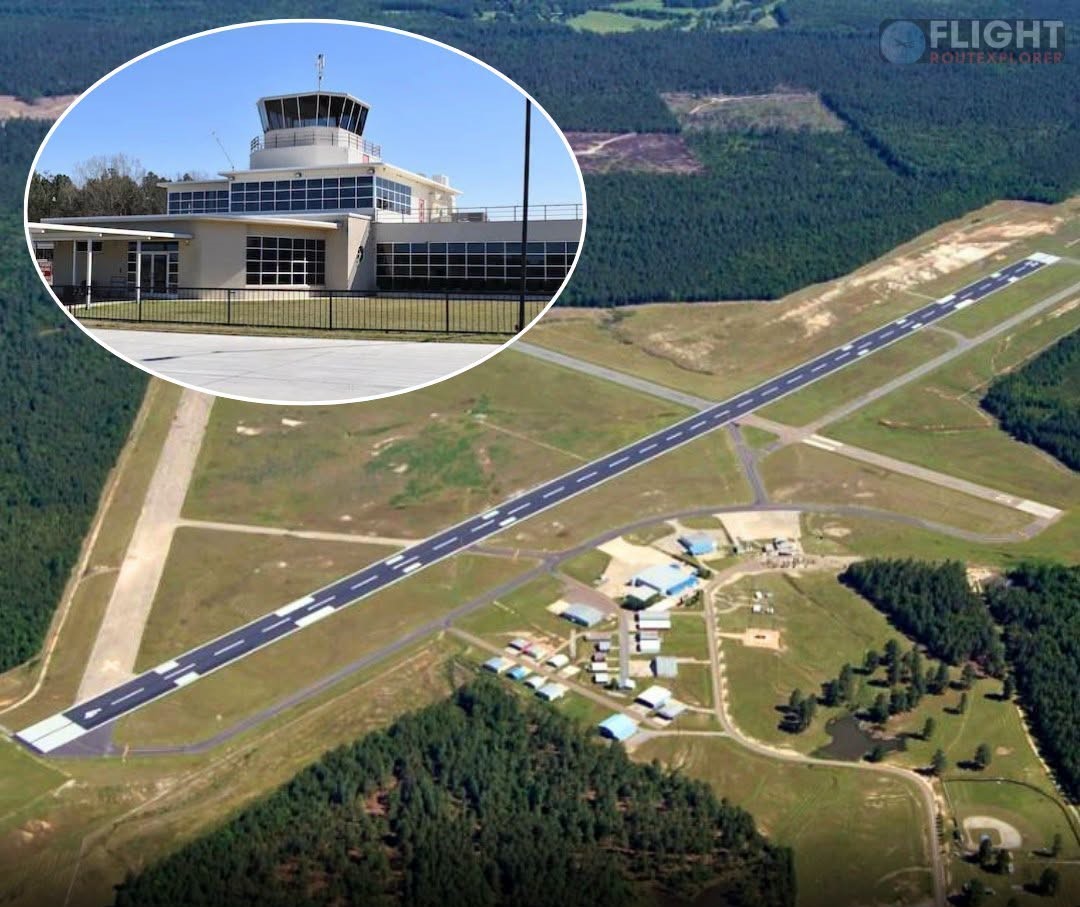
A single malfunctioning router in rural Arkansas may have triggered one of the biggest disruptions to US air travel in recent years, grounding thousands of flights nationwide.
According to reports, the failure originated at an FAA radio site in El Dorado, Arkansas, where a newly installed router flooded the network with excessive connection requests, disrupting critical communications between pilots and air traffic controllers.
FAA technology chief Rebecca Guy revealed that two locations were generating around 1,000 network connections every four to five seconds, overwhelming the system.
The approximately five-hour nationwide ground stop resulted in more than 3,500 flights being grounded, while tens of thousands of passengers faced cancellations, delays and travel chaos.
Transportation Secretary Sean Duffy confirmed that investigators are examining whether defective equipment or installation errors by contractor L3Harris contributed to the failure. A radar station in Amarillo, Texas, is also being investigated for a possible role.
The outage occurred during a major infrastructure modernization project replacing aging copper telecommunications lines with fiber-optic technology.
The FBI is supporting the investigation, while the FAA says there is currently no evidence of a cyberattack.
An entire nation’s aviation network brought to a standstill by a potential equipment failure at a remote Arkansas site. The incident raises serious questions about the reliability and resilience of America’s air traffic control infrastructure.