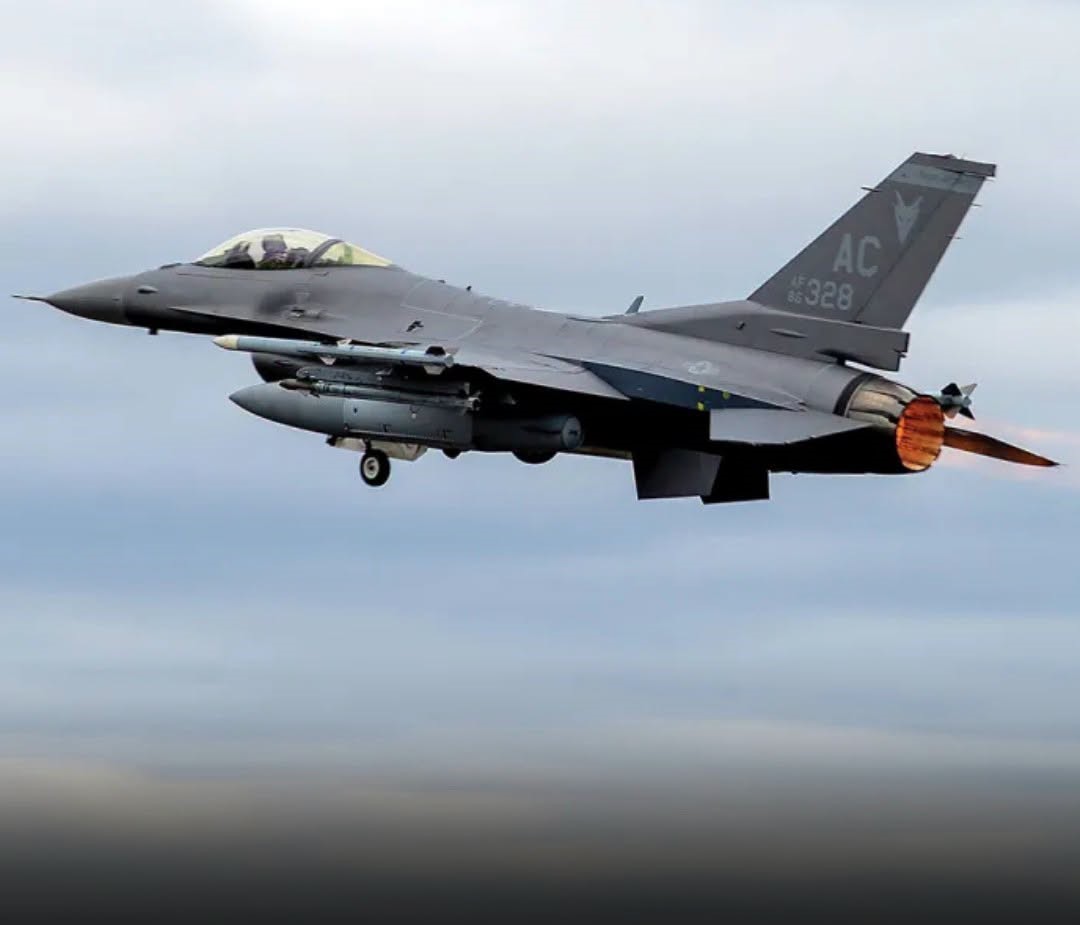
More than 10 general aviation aircraft entered restricted airspace over New Jersey on Sunday, prompting the North American Aerospace Defense Command (NORAD) to scramble F-16 fighter jets for multiple intercepts.
According to NORAD, the violations occurred within Temporary Flight Restriction (TFR) zones over Bedminster and East Rutherford. While all of the aircraft were civilian general aviation flights, three of the incursions required direct interception by F-16s after the pilots failed to comply with the restricted airspace requirements.
During two of the intercepts, NORAD pilots deployed signal flares to capture the attention of the violating aircraft. Officials emphasized that these are standard visual warning devices used only when necessary. The flares burn out quickly, are designed with safety in mind, and pose no danger to people on the ground, although they may have been visible to residents in the area.
All of the aircraft were safely escorted out of the restricted airspace without incident.
NORAD reminded pilots that if they are intercepted by military aircraft, they should immediately tune their radios to emergency frequencies 121.5 MHz or 243.0 MHz, reverse course, and follow instructions from the intercepting aircraft.
The command also issued a strong reminder to all pilots to review FAA Temporary Flight Restrictions (TFRs) and Notices to Airmen (NOTAMs) before every flight to avoid unauthorized entry into restricted airspace.
Temporary Flight Restrictions are commonly established around areas requiring enhanced security, VIP movements, major public events, or emergency operations. Violating a TFR can result in military interception, FAA enforcement actions, civil penalties, and possible certificate suspension.
Sunday’s series of interceptions highlights the importance of thorough pre-flight planning and staying informed about changing airspace restrictions to ensure the safety and security of the National Airspace System.