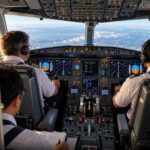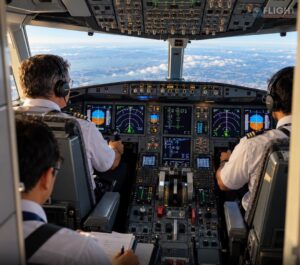

What happens if someone tries to storm an airplane cockpit at 32,000 feet?
A recent Frontier Airlines flight from Puerto Rico to Chicago turned chaotic when a passenger allegedly attempted to open an emergency exit and force his way into the cockpit. He was stopped by brave crew members and passengers, and the flight safely diverted to Miami.
Since the 9/11 attacks, no one has successfully breached the cockpit of a commercial aircraft in the United States. Today’s flight decks are protected by reinforced, bullet-resistant doors designed to withstand extreme force.
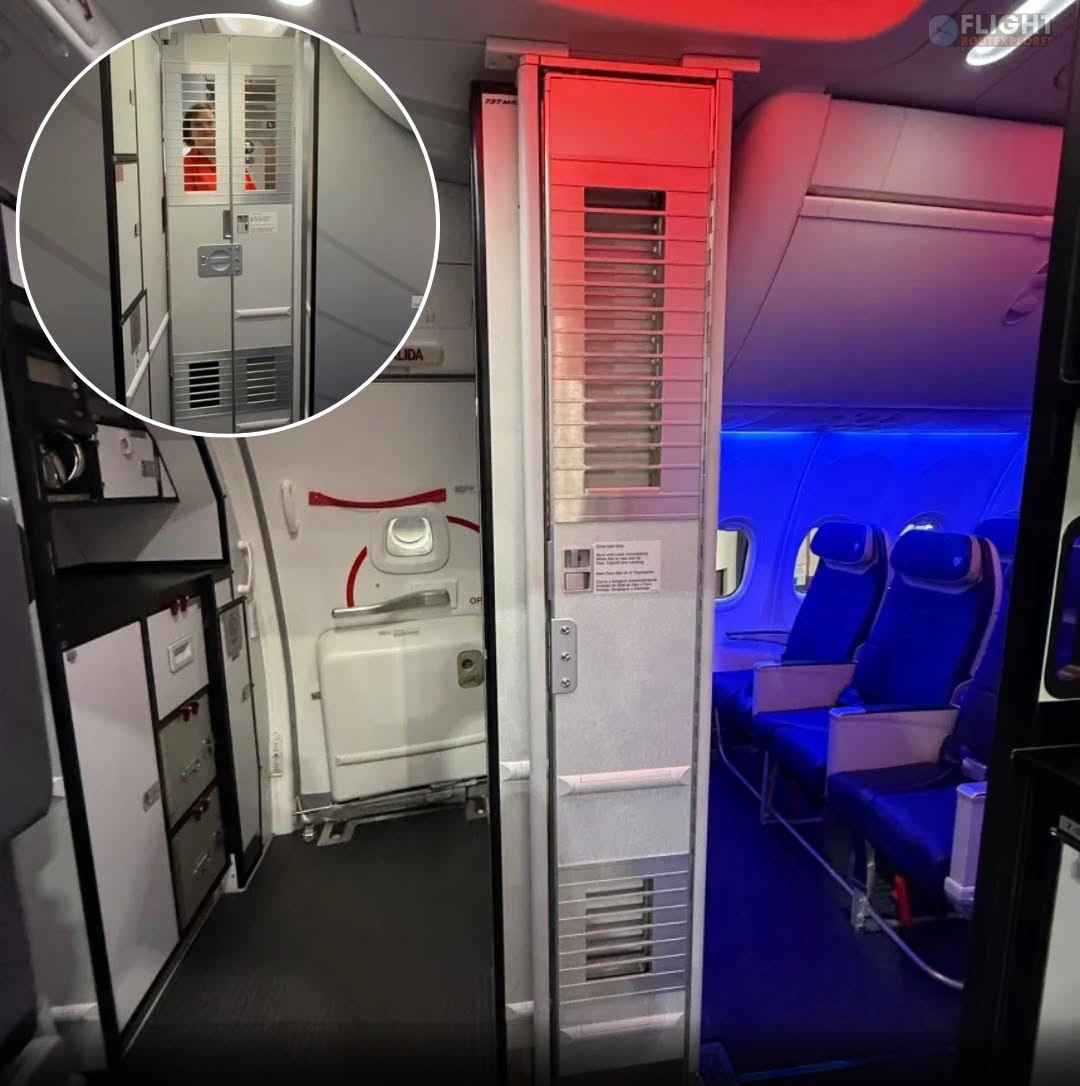
A 2023 FAA rule required new planes have a secondary barrier that can be locked in place when the cockpit door must be opened.
Typically looking more like a gate than a solid door, the barriers are placed just in front of the first row of passengers and allow a pilot to exit the cockpit and visit the lavatory or the galley without leaving an unsecured path between passengers and the cockpit.
The rule was supposed to apply to newly manufactured commercial aircraft starting in the summer of 2025, but the FAA agreed to delay implementing the requirement until this August.
But security doesn’t stop there. Flight attendants receive extensive training to handle violent disruptions, pilots may be armed under special federal programs, undercover air marshals protect selected flights, and newer aircraft are adding a second cockpit barrier for even greater protection.
The FAA has already recorded hundreds of unruly passenger incidents this year, proving that cabin disturbances remain a serious challenge. Attempts to interfere with a flight crew can lead to federal charges, massive fines, and prison time.
A modern airliner’s cockpit is one of the most secure places in the sky — and if someone tries to break through, they’re far more likely to injure themselves than the door.