



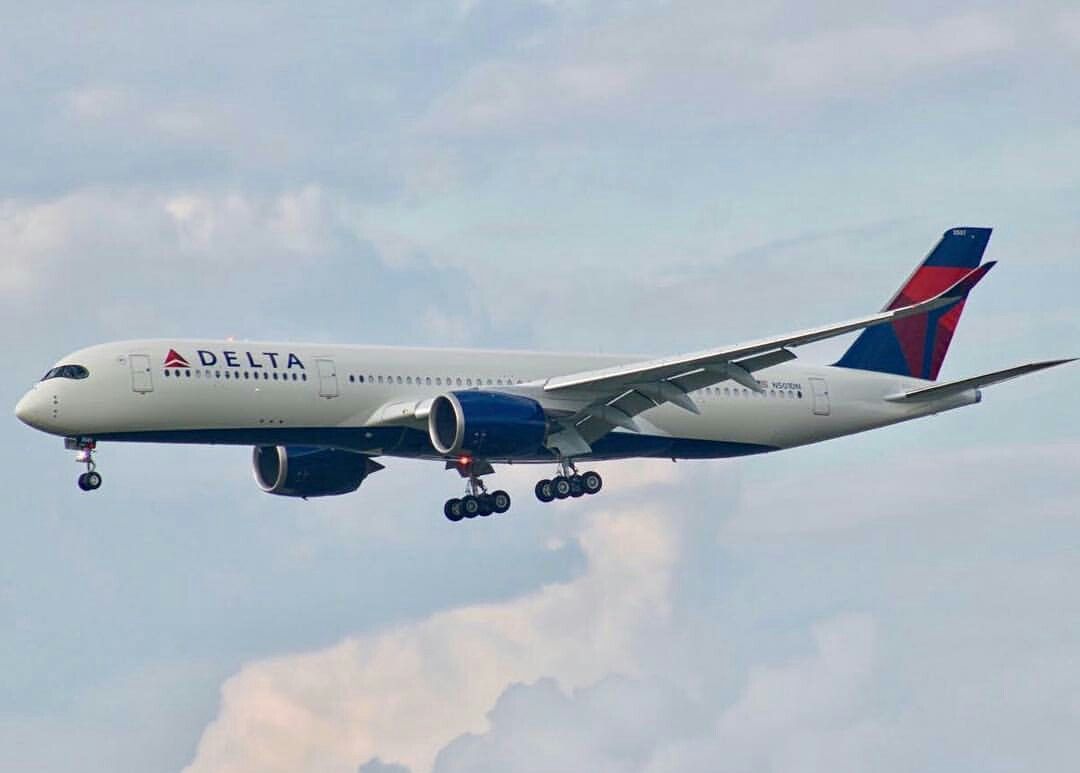
On Mar 31st 2026, a Delta Air Lines Airbus A350-900, registration N513DZ, operating flight DL-147 from Atlanta to Santiago, was forced to divert enroute after encountering problems with one of its engines.
The aircraft, which had departed Atlanta on Mar 30th, was cruising at FL390 approximately 420 nautical miles northwest of Antofagasta when the crew identified an issue with one of the Rolls-Royce Trent XWB engines. In response, the pilots initiated a drift-down procedure, descending the aircraft to FL230 while preparing for a diversion.
Maintaining control throughout the event, the crew rerouted the aircraft toward Antofagasta and executed a safe landing on runway 01 about 80 minutes after leaving cruise altitude.
Chile’s Dirección General de Aeronáutica Civil classified the arrival as an emergency landing, reflecting the seriousness of the situation despite the controlled outcome.
All passengers and crew remained safe, with no injuries reported.
The National Transportation Safety Board categorized the event as an incident and confirmed that the investigation is being led by Chilean authorities.
The aircraft remained grounded in Antofagasta for approximately 80 hours following the diversion, as technical teams conducted detailed inspections and assessments of the affected engine.
Engine-related diversions at high altitude are rare but well-practiced scenarios, and this incident highlights the effectiveness of long-haul crew training and aircraft redundancy systems in ensuring safe outcomes even in remote regions far from the intended destination.