
Nobody is really talking about the pilot — but they should be.
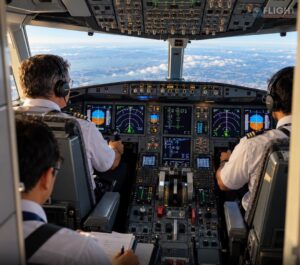
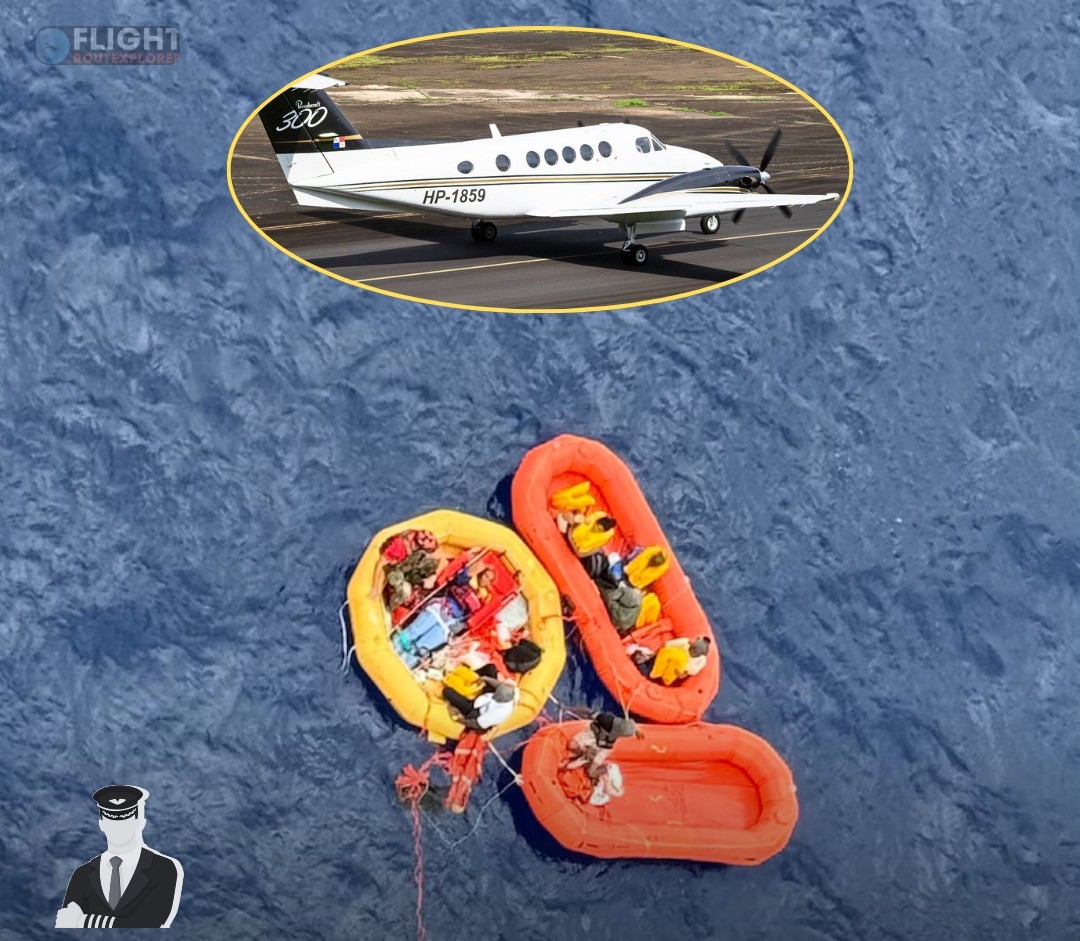
In a terrifying situation 80 miles off Florida’s coast, the pilot of the doomed aircraft appears to have done something extraordinary: keep the plane controlled long enough to ditch safely into the open ocean, giving all 11 people onboard a fighting chance to survive.
Think about what had to go right in those final moments. The aircraft didn’t break apart instantly. The passengers had enough time to evacuate, deploy the life raft, and stay together for nearly five hours in open water. That doesn’t happen by accident. That takes skill, composure, and professionalism under unimaginable pressure.
While the Navy and rescue teams absolutely deserve credit for locating and recovering the survivors later, the first rescue may have happened in the cockpit itself. The pilot’s ability to bring the aircraft down in a controlled manner likely made the difference between a rescue story and a tragedy.
For five long hours, those survivors floated in the ocean with no certainty anyone would find them. But because the ditching was executed so effectively, they were alive and organized enough to wait for help to arrive.
That pilot gave 11 people the chance to go home to their families. And that deserves far more recognition.
And yet, when “Flight RouteXplorer” team tried to search the name of the pilot involved, we got no information. In fact none of the survivors are named yet.
The twin-engine turboprop airplane was traveling from Marsh Harbour, Bahamas, to Freeport when it experienced engine failure. Bahamian authorities plan to investigate an official cause of the crash.
The Coast Guard launched a rescue mission after the plane went down around 11 a.m. Tuesday morning after an emergency locator transmitter alerted officials of a potential distress signal.
At the time of the crash, a team of Air Force reservists were training near the crash site when they learned of a possible downed flight and headed to the scene.
The 11 survivors, all Bahamian nationals, were floating in the water for approximately five hours adrift before rescuers spotted their raft, said Capt. Rory Whipple.
“You could tell just by looking at them that they were in distress, physically, mentally, emotionally,” Whipple continued.
The rescue happened just before a thunderstorm rolled in. Air Force Maj. Elizabeth Piowaty shared, “Once we flew over them and identified them, a thunderstorm was coming in so they had their rain tarp over them for protection from exposure.”
Those involved in the rescue said it was “miraculous” that no major injuries were reported and everyone was able to make it back to shore.
Whipple described the mission to reporters as a standard operation for his crew, but acknowledged the gravity of the situation for those in the water.
Whipple shared the survivors didn’t have any way to communicate, so they had no idea rescuers were on their way until they were overhead.
“As a reserve airman, I truly believe that we have the best job in the world,” he later added. “On someone’s worst day we’re at our best, bringing everyone home. And then at the end of the day, as a reserve airman, we get to go home to our families as well.”