
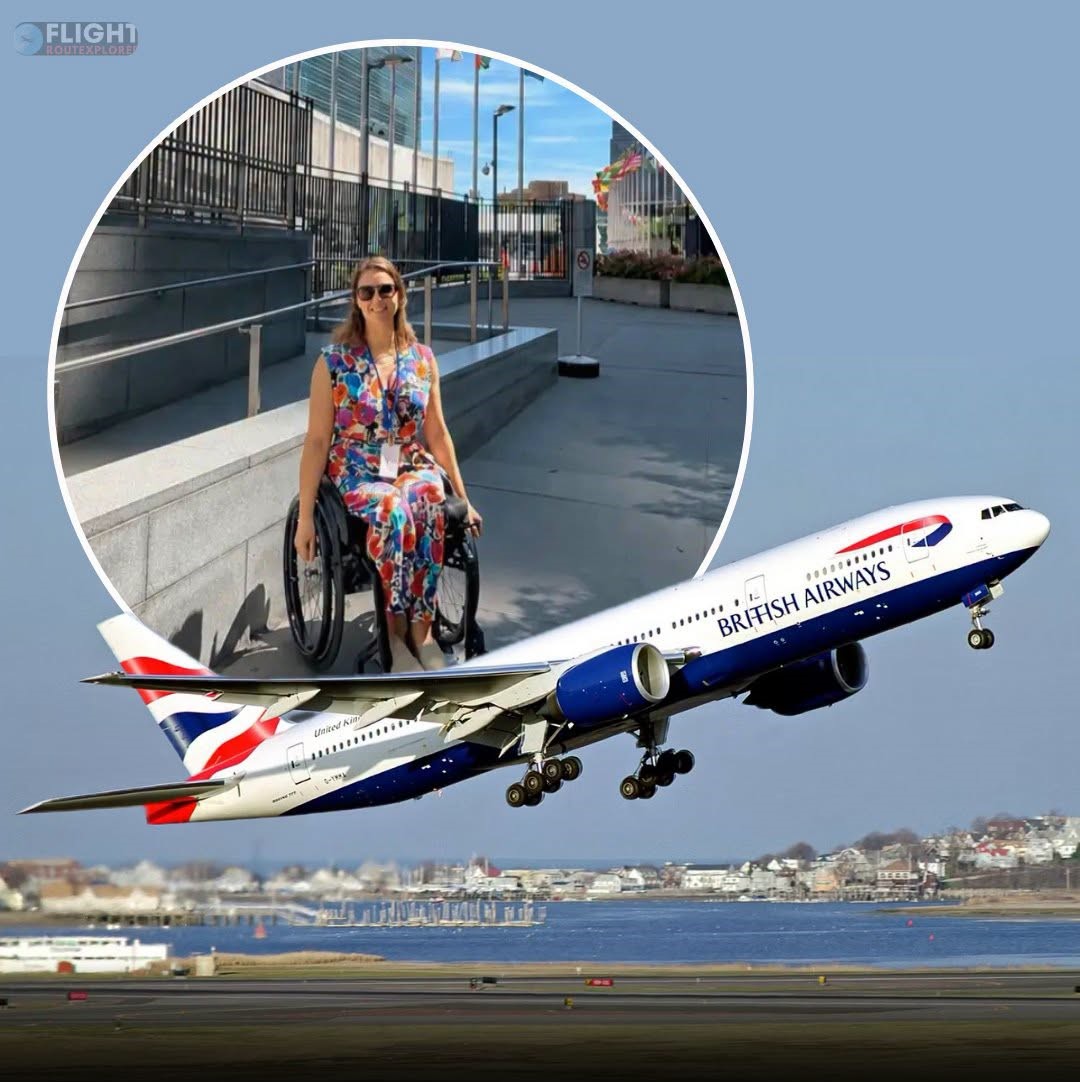
A disability rights advocate and business executive has accused British Airways of discrimination after she says she was prevented from boarding a flight at New York’s JFK Airport simply because she was traveling independently while using a wheelchair.
Samanta Bullock, founder of Bullock Inclusion, was preparing to board her flight from New York to London when she was allegedly informed that she could not travel because airline staff believed she would require assistance reaching the aircraft lavatory and might need help during an emergency evacuation.
According to Bullock, there were no issues with her ticket, identification, or travel documents. Instead, she claims the decision was based solely on her disability and the fact that she was flying alone.
Taking to social media, Bullock described the experience as humiliating and discriminatory. She argued that requiring disabled passengers to travel with a companion effectively forces them to pay for two tickets to access the same opportunities and freedoms available to non-disabled travelers.
After several hours of uncertainty at the airport, Bullock said she was eventually transferred to an American Airlines flight. However, she claims she was subjected to similar questioning before being allowed to continue her journey.
The incident has sparked widespread debate online about accessibility, passenger rights, and the treatment of disabled travelers by airlines. Bullock has stated that she is exploring legal action, claiming the experience may constitute disability discrimination.
The situation is particularly striking given that Bullock had just attended disability rights discussions at the United Nations in New York, where world leaders and advocates were focused on advancing inclusion, accessibility, dignity, and equal rights for people with disabilities.
She said the contrast between those discussions and her airport experience was difficult to ignore.
The case is likely to raise important questions about airline policies, passenger assistance requirements, and whether disabled travelers are being afforded the same independence and freedom of movement as other passengers.