

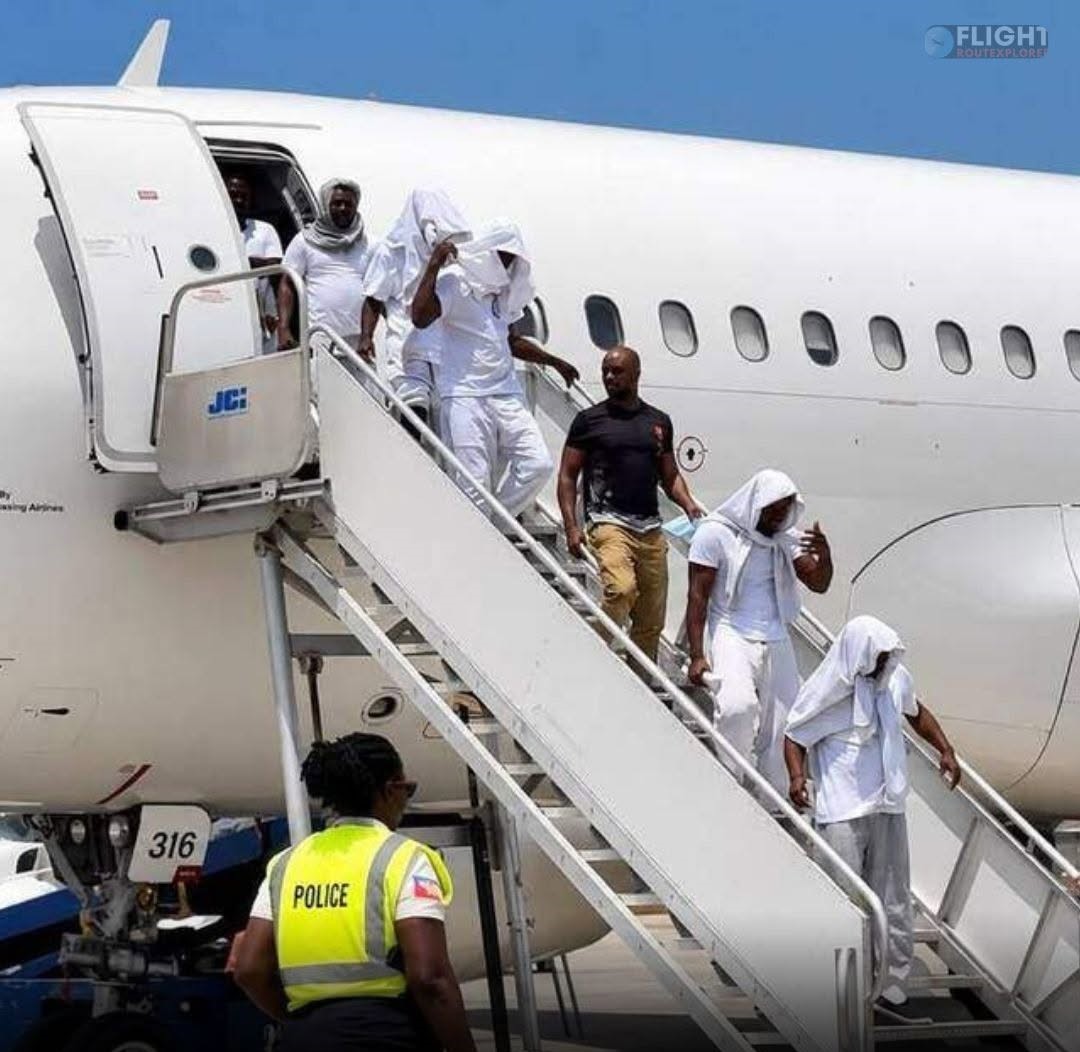
The United States has resumed deportation flights to Haiti just days before Temporary Protected Status (TPS) expires for more than 300,000 Haitians living in the country. On Thursday, an Immigration and Customs Enforcement (ICE) charter flight carrying over 100 Haitian nationals landed at Cap-Haïtien, marking the seventh deportation flight to Haiti this year and signaling the start of a much larger deportation effort.
According to U.S. officials, Haiti has been informed to expect at least two deportation flights every week once TPS protections end on July 24. These flights are expected to return around 250 people weekly. Many of those facing deportation have lived in the United States for years or even decades, building families, careers, and communities before suddenly finding themselves at risk of removal.
The timing has drawn widespread criticism because Haiti is currently facing one of the worst humanitarian and security crises in its history. On the very same day the deportation flight arrived, the United Nations confirmed that at least 61 people, including 14 children, were killed during a gang attack in the hills above Port-au-Prince. Large parts of the capital remain under the control of heavily armed gangs, with police stations, hospitals, schools, and homes destroyed or abandoned. Hundreds of thousands of Haitians have already been displaced by the violence.
Human rights organizations have strongly condemned the decision, arguing that deporting people into such dangerous conditions places lives at serious risk. Immigration advocates say the deteriorating security situation, combined with widespread displacement and limited government capacity, makes Haiti ill-equipped to receive a surge of returning deportees.
Local humanitarian organizations are also sounding the alarm. The Haitian nonprofit Groupe d’Appui aux Rapatriés et Réfugiés (GARR), which already assists thousands of deportees arriving from the Dominican Republic each month, says it is struggling to cope with existing demands. Its representatives warn that Haiti lacks the resources, infrastructure, and security needed to support additional deportees arriving from the United States.
The Trump administration maintains that the return of deportation flights follows the scheduled end of TPS protections. However, the policy has reignited debate over immigration enforcement, humanitarian responsibility, and the safety of individuals being returned to countries experiencing severe conflict and instability.
As the July 24 deadline approaches, thousands of Haitian families across the United States now face an uncertain future while Haiti confronts an escalating humanitarian emergency.