
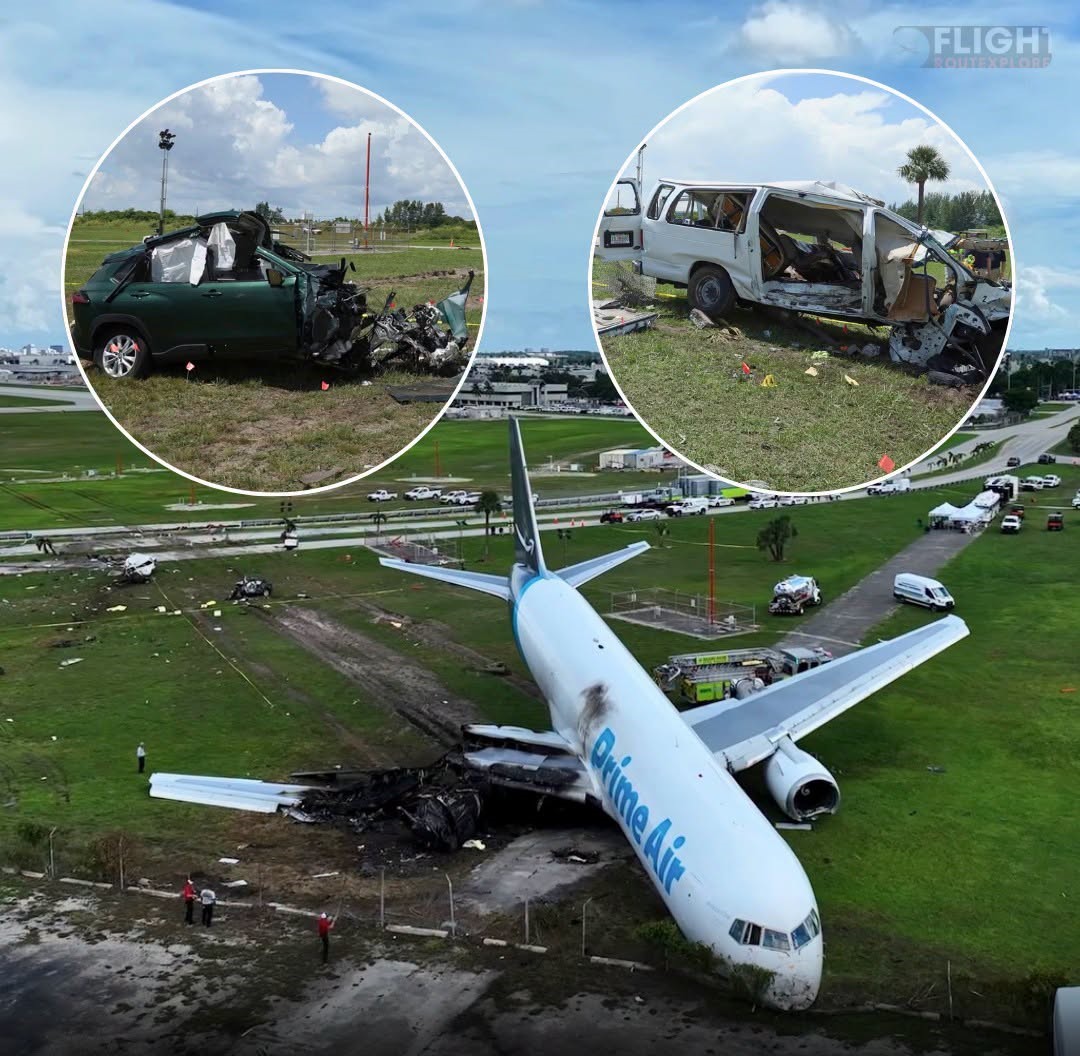
Can pilots be criminally charged after a plane crash?
The question has gained attention following the Amazon Air Boeing 767 crash at Miami International Airport, where the aircraft ran off the end of a runway, struck two vehicles and five people were killed.
The two pilots survived with minor injuries. Investigators are still working to determine exactly what happened, but experts say it is unlikely the pilots will face criminal charges simply because their decisions may have contributed to the crash.
In the U.S., prosecutors generally face a high bar when seeking criminal charges against pilots. There must typically be evidence of gross negligence, recklessness or disregard for human life — not simply an error in judgment.
Newly revealed cockpit voice recorder information reportedly shows one pilot expressing concern about the aircraft’s excessive speed as alarms sounded during the approach. The decision to continue the landing will likely be closely examined by the NTSB.
However, the NTSB does not prosecute pilots or assign criminal liability. Its primary purpose is to determine what happened and why, and to recommend changes that could prevent similar accidents.
There have been several major crashes where investigators found significant pilot errors but no criminal charges followed. Comair Flight 5191, which departed from the wrong runway in 2006 and killed 49 people, is one example. The 2013 Asiana Airlines crash in San Francisco, which killed three people and injured 187, is another.
That doesn’t mean pilots are immune from prosecution.
If evidence shows deliberate criminal conduct, extreme recklessness, intoxication or other criminal behavior, prosecutors can bring charges. Criminal cases involving pilots are also more common in some other countries.
Pilots and airlines can additionally face civil lawsuits, while regulators can impose fines, suspend certificates or take other enforcement action.
So the crucial distinction is this: making a mistake that contributes to a crash is not automatically a crime.
The question prosecutors must answer is whether the conduct crossed the line from human error or poor decision-making into criminal negligence or recklessness.