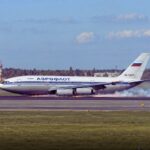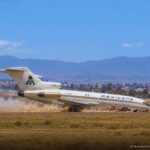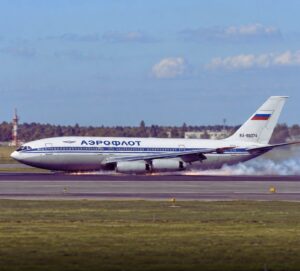

On September 3, 1989, Cubana de Aviación Flight 9046 was preparing to leave Havana’s José Martí International Airport on a non-scheduled international charter to Milan, with a stop at Cologne.
The aircraft was an Ilyushin Il-62M, registration CU-T1281, carrying 115 passengers and 11 crew members. Most of the passengers were Italian holidaymakers. What happened next would become the deadliest aviation disaster in Cuban history.
The weather was already deteriorating rapidly. Heavy rain was falling around the airport and strong wind gusts were reported, reaching roughly 30–50 mph (48–80 km/h).
Despite the worsening conditions, the crew proceeded with the takeoff. The investigation later concluded that the captain underestimated the danger posed by the rapidly changing weather and misjudged how the aircraft would perform under those conditions.
After becoming airborne, the Il-62M initially climbed. However, the crew reduced the wing-flap setting from 30 degrees to 15 degrees in an attempt to increase speed.
That configuration also reduced the wing’s ability to generate lift at the critical low-speed, low-altitude stage of the departure. The aircraft climbed to only about 53 metres (174 feet) before encountering a powerful downdraft associated with the storm.
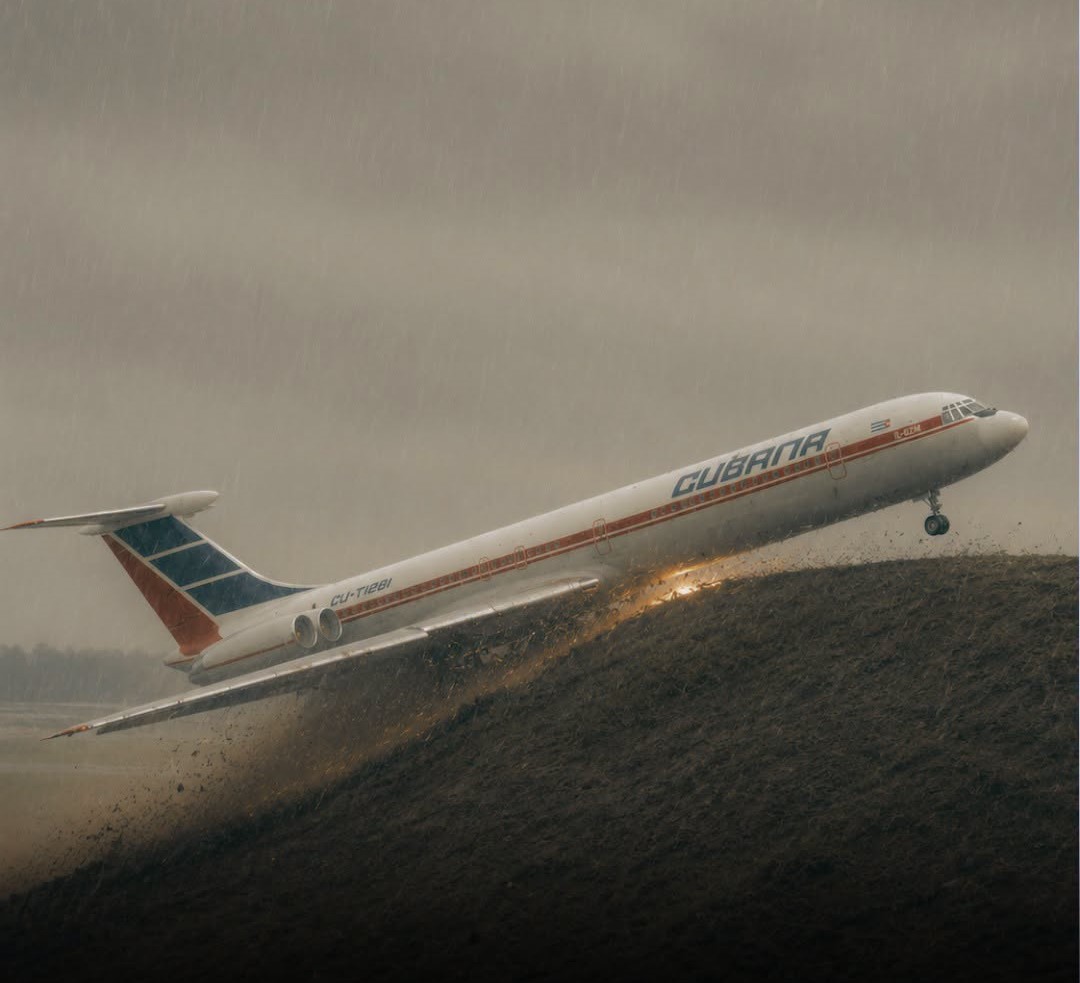
The sudden loss of vertical performance left the aircraft with almost no altitude to recover. The Il-62M descended and struck the ground near the end of the runway, then hit a navigation facility and a small hill before continuing into a residential area.
The crash occurred roughly a minute after takeoff. Wreckage and debris struck nearby homes, turning an already catastrophic aircraft accident into a disaster on the ground as well.
All 126 people aboard were killed. Twenty-four people on the ground also lost their lives, bringing the total death toll to 150. Reports indicate that one passenger initially survived the crash, but he died nine days later from his injuries.
The aftermath was devastating. Emergency crews rushed into the residential area while authorities dealt with the enormous wreckage and fires. The airport temporarily suspended operations, with some aircraft diverted elsewhere as the crash site was secured and investigated. Contemporary reports described wreckage falling across houses and widespread destruction around the impact area.
The official investigation did not identify a mechanical failure as the central cause. Instead, investigators placed responsibility on the decision to take off despite the abrupt deterioration in weather and on the crew’s assessment of the aircraft’s performance. The combination of severe weather, low-altitude windshear or downdraft, and the reduction of flap angle left the aircraft unable to climb away from the rapidly changing conditions.
The tragedy remains a striking example of how a takeoff that appears routine can become unrecoverable within seconds when severe weather, aircraft performance and human decision-making converge at low altitude. Flight 9046 never reached cruising altitude; its intended journey to Europe ended barely a minute after leaving Havana, with 150 lives lost.