
The Trump administration is preparing to dramatically increase deportation flights to Haiti, potentially moving from roughly one flight a month to one flight every week.
That could mean hundreds more Haitians being sent back each month.
The move comes after the U.S. Supreme Court cleared the way for the administration to end Temporary Protected Status (TPS) for Haitians. The protection had allowed around 350,000 Haitians to legally live and work in the United States.
Now, those whose legal status has expired could face deportation unless they obtain another lawful status or leave voluntarily.
But there is a major concern: Haiti remains in the grip of a severe security crisis.
Powerful gangs control large areas around Port-au-Prince, violence has displaced roughly 1.5 million people, and the U.S. State Department continues to warn Americans not to travel to Haiti.
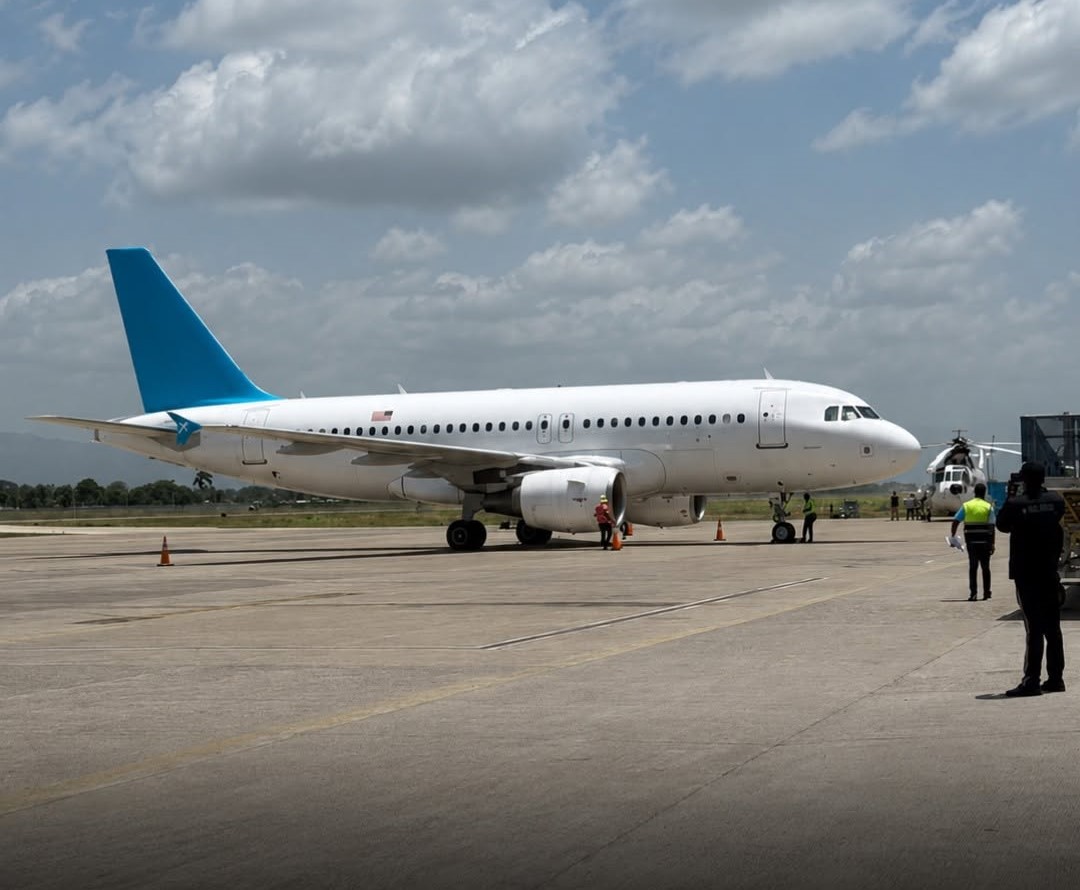
Because of the security situation in the capital, deportation flights are being sent to Cap-Haïtien in northern Haiti rather than Port-au-Prince.
One recent flight reportedly carried more than 160 people back to Haiti.
The administration has also offered people without legal status an incentive to leave voluntarily — including a free flight and a $2,600 payment.
Critics, however, are questioning whether Haiti is safe enough to receive large numbers of deportees.
The controversy comes down to one difficult question:
How can the U.S. carry out mass deportations to a country where violence and instability remain so severe?