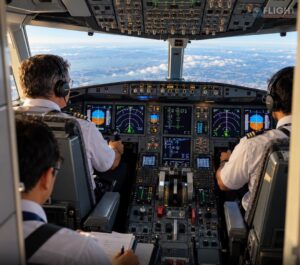


On August 24, 2010, Henan Airlines Flight 8387 was approaching Yichun Lindu Airport in northeastern China when a rapidly developing fog turned a routine night landing into one of China’s most significant aviation disasters of the decade.
The Embraer E190 LR, registration B-3130, was carrying 91 passengers and five crew members from Harbin to Yichun. By the time the investigation was completed, 44 people had died and 52 survived.
The flight departed Harbin Taiping International Airport at 20:51. At 21:10, about 169 kilometres from Yichun, the crew contacted the airport controller and received a visibility report of 2,800 metres. Six minutes later, the controller specifically warned them that fog had formed, particularly on the final approach path.
The warning was important because the airline’s own operating procedures required a minimum visibility of 3,600 metres for the captain’s first flight into Yichun. Despite the visibility already being below that limit, the approach continued.
Yichun’s location made the situation particularly dangerous. The airport was situated in a valley where high humidity, rapidly falling temperatures and light winds could produce radiation fog very quickly. On the evening of the accident, visibility deteriorated rapidly. At 21:08, the airport issued a special weather report stating that visibility had fallen to 2,800 metres and was decreasing.
The crew prepared for a VOR/DME approach to Runway 30, with a minimum descent altitude of 440 metres. At 21:28, the controller again warned the crew that although vertical visibility was acceptable, horizontal visibility was extremely poor.
At 21:28:38, the aircraft passed over the airport and the controller saw it. During the subsequent procedure turn, the crew believed they could see the runway lights. At 21:33:50, the aircraft completed the procedure turn, reported the runway in sight and received landing clearance. The controller again reminded them of the 440-metre minimum descent altitude.
But the apparent visual reference did not last….