
On this day in history…
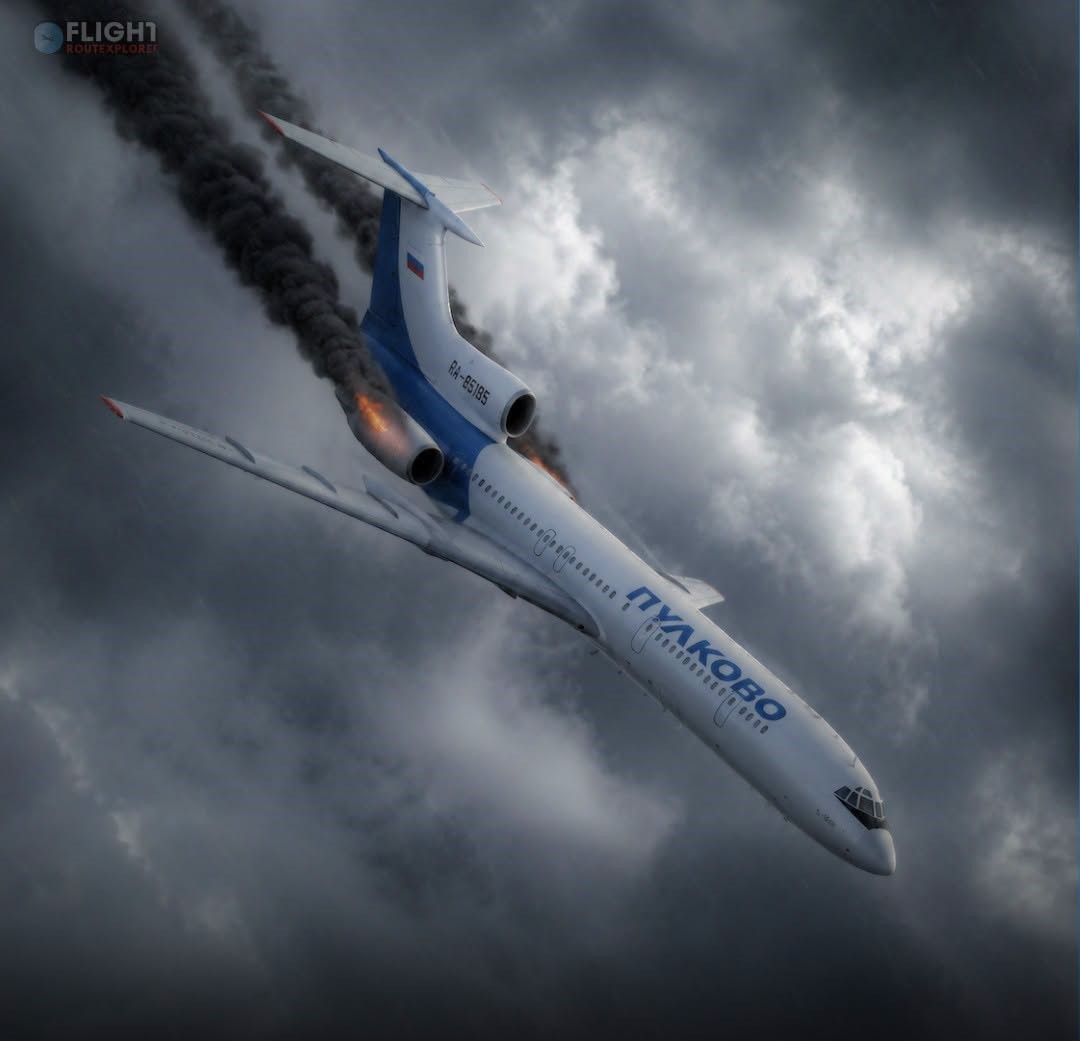
On August 22, 2006, Pulkovo Aviation Enterprise Flight 612 was flying from Anapa, Russia, to Saint Petersburg when a routine passenger flight turned into one of the deadliest aviation disasters of the year. The Tupolev Tu-154M, registration RA-85185, was carrying 160 passengers and 10 crew members. None survived.
The aircraft departed Anapa Airport at about 3:04 p.m. Moscow time. It was a relatively young Tu-154M, manufactured in 1992, and had accumulated roughly 25,000 flight hours. The aircraft had previously operated with Sichuan Airlines in China before being acquired by Pulkovo Aviation Enterprise in 2001. The flight crew was highly experienced overall: Captain Ivan Korogodin had more than 12,000 hours of flight time, including nearly 6,000 hours on the Tu-154, while First Officer Vladimir Onishchenko had almost 11,900 hours. A trainee pilot was also aboard.
About 30 minutes after departure, the aircraft encountered thunderstorms and severe turbulence. Rather than immediately diverting around the weather, the crew sought permission to climb above the storm system. At approximately 3:33 p.m., air traffic control cleared Flight 612 to climb to Flight Level 390, or about 39,000 feet.
The aircraft reported reaching that altitude shortly before 3:35 p.m. But the decision to climb higher placed the Tu-154 close to the limits of its performance envelope, particularly in the turbulent conditions.
At 3:35:02 p.m., the crew disconnected the autopilot and began flying the aircraft manually. Almost immediately, the stall warning activated. The aircraft’s angle of attack began increasing dramatically. Investigators later determined that the angle of attack reached approximately 46 degrees while the aircraft’s forward airspeed effectively fell to zero.
The Tu-154 had entered an aerodynamic stall at very high altitude….