
A decades-long legal battle involving an Alaska bush pilot is now headed to the U.S. Supreme Court in a case that could redefine the limits of government asset forfeiture.
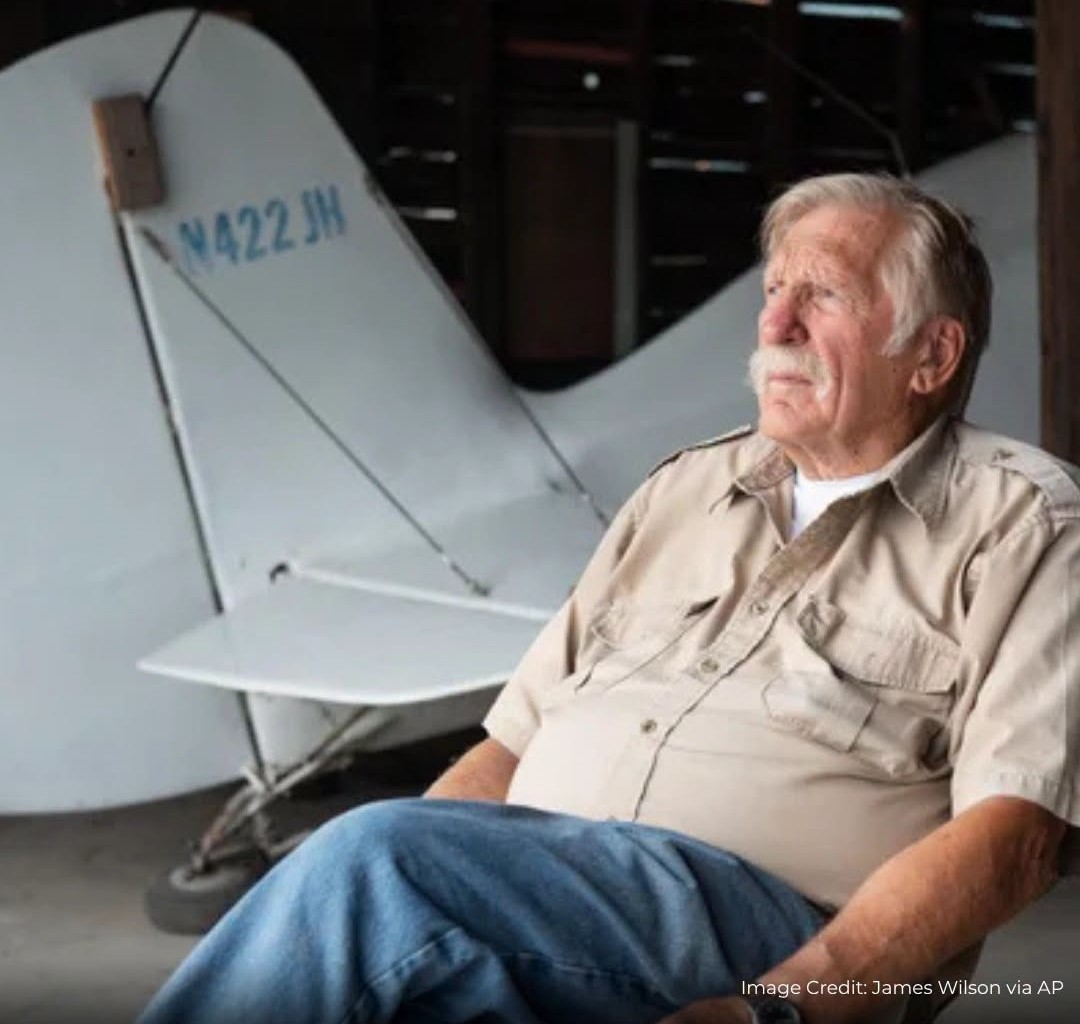
The Supreme Court has agreed to hear the appeal of 80-year-old Alaska pilot Kenneth Jouppi, whose 1969 Cessna aircraft has been at the center of a legal dispute since 2012. The case began after Alaska State Troopers discovered a passenger carrying a six-pack of Budweiser on a flight from Fairbanks to Beaver, a “dry” village where alcohol is prohibited.
Although the beer belonged to the passenger, Jouppi and his company were convicted of knowingly transporting alcohol into a dry community, a misdemeanor offense. He was sentenced to three days in jail, but the state also moved to permanently seize his aircraft, valued at approximately $95,000.
Jouppi argues that confiscating an entire airplane over a misdemeanor involving just six beers violates the U.S. Constitution’s Eighth Amendment, which prohibits excessive fines. After losing in the Alaska Supreme Court in 2025, he appealed to the nation’s highest court, which will now hear arguments later this year.
“This case isn’t just about me or my airplane anymore,” Jouppi said, adding that after more than a decade of legal battles, he hopes the case will strengthen constitutional protections against government overreach.
Alaska, however, maintains that the forfeiture is justified, arguing that aircraft are often the only practical means of transporting illegal alcohol into remote villages where alcohol abuse remains a serious public safety concern.
The Supreme Court’s decision could have implications far beyond Alaska, potentially shaping how courts across the United States evaluate whether government seizures are proportionate to the crimes committed.
Will the court rule that taking a $95,000 airplane for transporting a six-pack of beer goes too far? The answer could set an important constitutional precedent.