
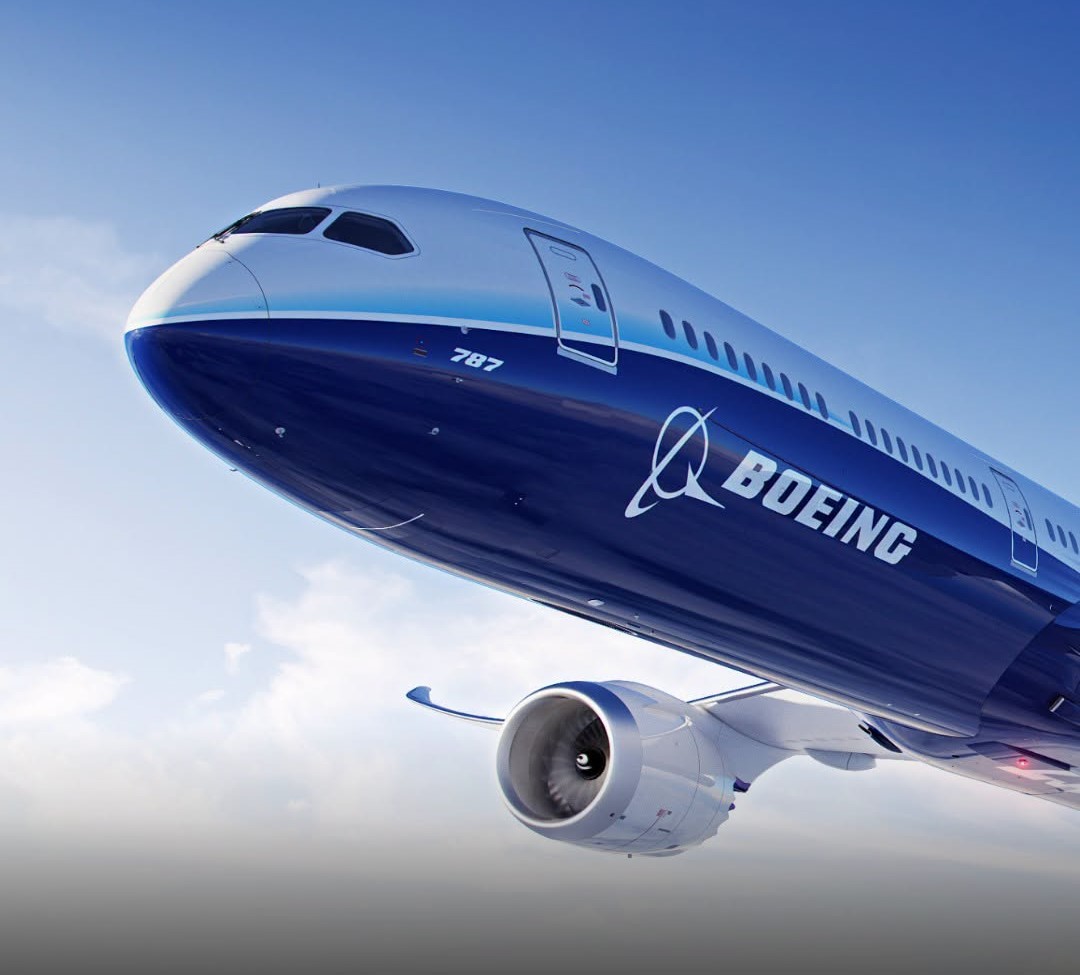
Boeing is betting that the future of aviation is still soaring.
Despite recent geopolitical tensions, including the Iran conflict, Boeing has kept its 20-year global aircraft demand forecast virtually unchanged, signaling confidence that the aviation industry’s long-term growth remains firmly on course.
The U.S. aerospace giant expects airlines worldwide to take delivery of 43,625 new commercial aircraft and freighters between 2026 and 2045. Of those, more than 33,500 will be single-aisle jets like the Boeing 737 and Airbus A320 families, reflecting the continued dominance of short- and medium-haul travel.
While Boeing expects global passenger traffic growth to slow to around 2.3% in 2026 after a stronger 2025, it believes the slowdown will be temporary. The company forecasts a rebound to 6–7% growth in 2027, with long-term passenger traffic increasing by an average of 4% annually over the next two decades.
One of the biggest challenges isn’t demand—it’s supply. Boeing estimates the aviation industry will begin 2026 short by nearly 2,000 aircraft, with production unable to keep pace with airlines eager to expand and modernize their fleets. Single-aisle aircraft shortages could last until the end of the decade, while widebody supply constraints may continue into the early 2030s.
By 2045, Boeing expects the global commercial fleet to nearly double from around 28,000 aircraft to 50,000, with next-generation, fuel-efficient aircraft making up an impressive 92% of the world’s fleet.
Interestingly, Boeing’s optimism comes just days after Airbus slightly lowered its own 20-year forecast, citing the impact of the Iran conflict and global trade tensions. Boeing, however, believes the fundamental drivers of aviation—tourism, global trade, migration, and expanding airline networks—remain as strong as ever.
As Boeing’s Commercial Marketing Vice President Darren Hulst summed it up: “The reason why we travel and the reason why goods move isn’t changing.”
The skies may face turbulence, but Boeing believes the long-term flight path for global aviation remains firmly upward.