

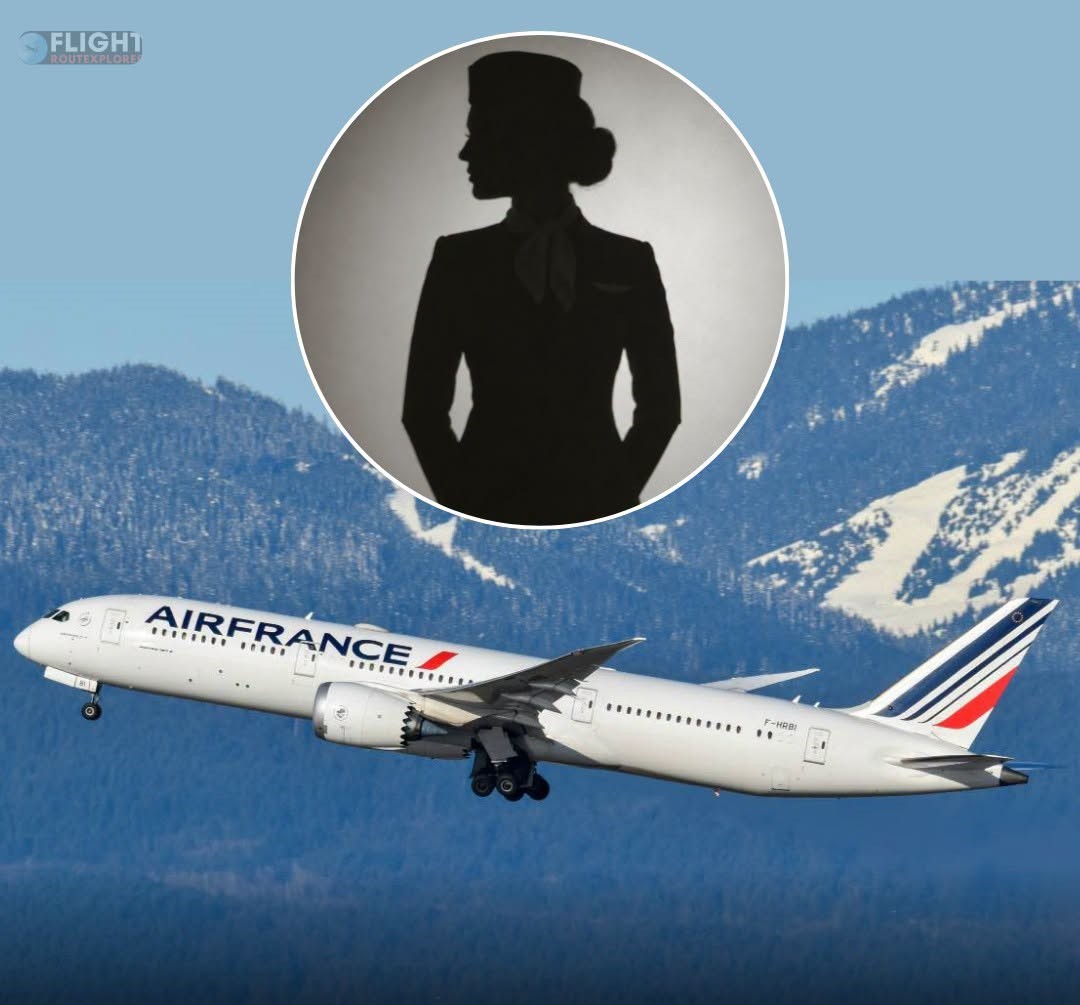
Flight attendant’s breast cancer recognized as occupational disease after 30 years with Air France — a landmark ruling that could open the door for similar claims
Sophie Lainault, a former Air France flight attendant, has won a landmark legal battle in France after a court recognized her breast cancer as an occupational disease.
Lainault worked for Air France from 1989 to 2019, first as a flight attendant and later as a purser on long-haul flights. During her career, she accumulated more than 12,600 flight hours — including over 6,500 hours at night.
A court in Bayonne ruled in early July that her cancer had an occupational origin, highlighting several factors connected to her working conditions: extensive night work, exposure to ionising radiation and passive smoking.
Smoking was permitted on Air France flights until 2000, meaning cabin crew could be exposed to secondhand smoke during their work.
The decision came after Lainault spent two and a half years fighting for recognition. Two regional committees had previously concluded that no link between her illness and work had been established.
Now in remission, the 59-year-old said her greatest hope was that the ruling would help other women who may have been reluctant to pursue similar claims.
Her lawyer, Elisabeth Leroux, described the decision as a legal precedent. The ruling is final, with no appeal filed.
Breast cancer is not included on France’s official list of occupational diseases, making recognition particularly difficult. However, research has suggested that regular night-shift work may be associated with increased cancer risk.
Air France said it was not a party to the proceedings and had not been informed of the court’s reasoning, while emphasizing that employee health and safety is an “absolute priority.”
The case could now have implications far beyond one former flight attendant, potentially encouraging other aviation workers to seek recognition of illnesses they believe are connected to decades of unusual working conditions.
Lainault’s message is simple: “I hope this opens the way for other women who might not have dared until now.”