





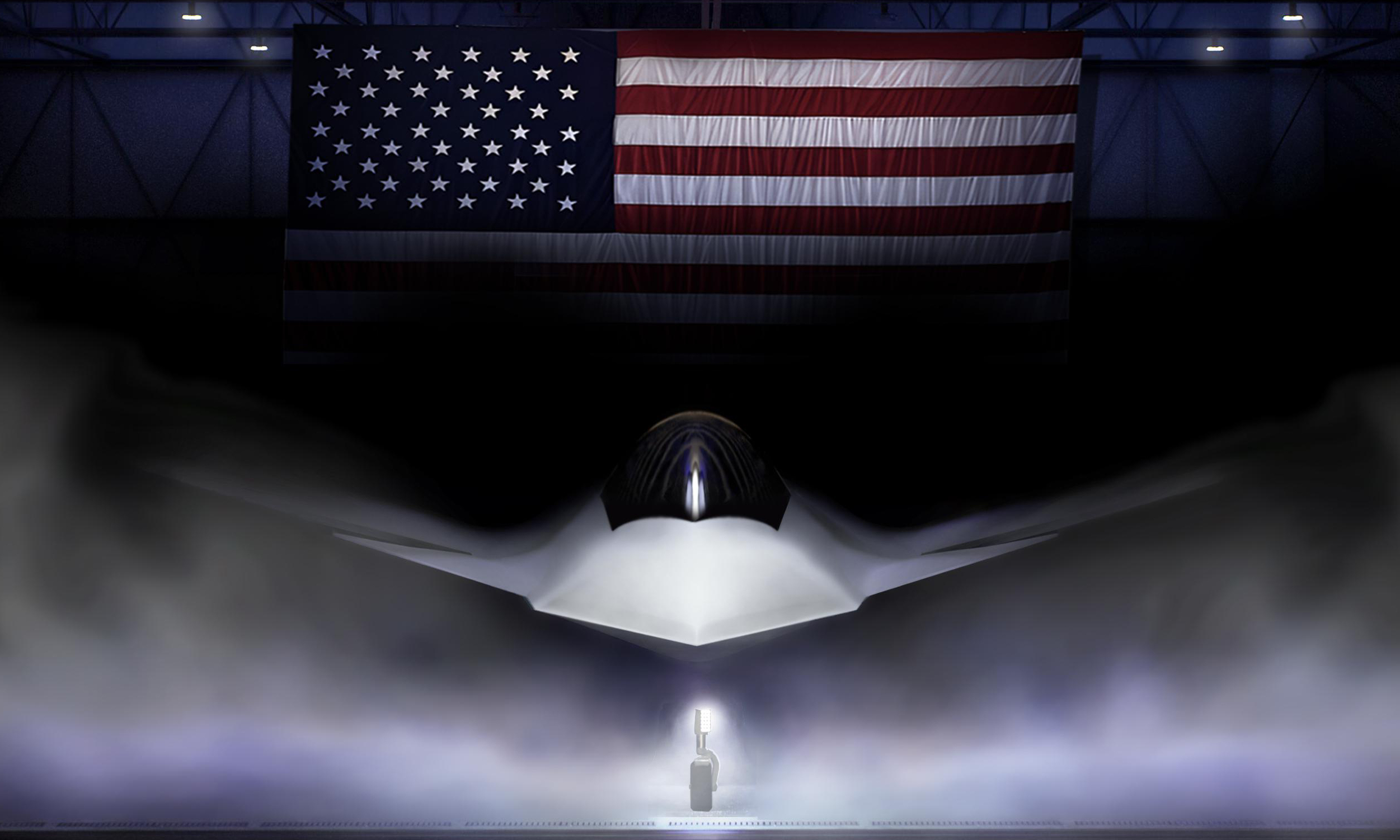
The future of air combat is no longer science fiction — it’s already taking shape. Enter the F-47, a next-generation stealth fighter concept that represents a massive leap beyond today’s most advanced jets like the F-22 Raptor and F-35 Lightning II.
But here’s the twist: the F-47 isn’t just a fighter aircraft. It’s being envisioned as a flying command center, drone controller, and AI-powered battle manager — all wrapped in one ultra-stealthy platform.
Let’s break down what could make the F-47 one of the most powerful combat aircraft ever designed.
✈️ What Makes the F-47 a “Sixth-Generation” Fighter?
Every generation of fighter jets introduces game-changing technologies:
- 4th Gen – Speed and maneuverability (F-16, MiG-29)
- 5th Gen – Stealth and sensor fusion (F-22, F-35)
- 6th Gen (F-47) – Intelligence, connectivity, and autonomous teamwork
The F-47 is expected to go beyond simply being hard to see on radar. It’s designed to think, coordinate, and control the battlefield in ways no previous fighter could.
🛸 Next-Level Stealth Technology
Traditional stealth relies on aircraft shape and radar-absorbing materials. The F-47 could take this much further with adaptive stealth.
This means the aircraft may actively adjust how detectable it is depending on threats around it.
Possible features include:
- Advanced radar-absorbing skin that adapts to conditions
- Reduced infrared signature to avoid heat-seeking missiles
- Powerful electronic warfare systems that jam or deceive enemy radars
Instead of just hiding, the F-47 would be able to manipulate the enemy’s sensors.
🧠 AI Inside the Cockpit
One of the biggest upgrades in the F-47 concept is artificial intelligence.
Think of it as a highly capable digital co-pilot that never gets tired and can process massive amounts of data instantly.
AI systems could help by:
- Identifying and prioritizing threats
- Managing radar, sensors, and electronic warfare
- Suggesting tactics in real time
- Reducing pilot workload during intense combat
In high-risk missions, the aircraft might even be optionally manned, meaning it could fly without a pilot onboard.
🤖 The F-47 Won’t Fight Alone
Future air combat isn’t about one jet versus another. It’s about teams of aircraft working together.
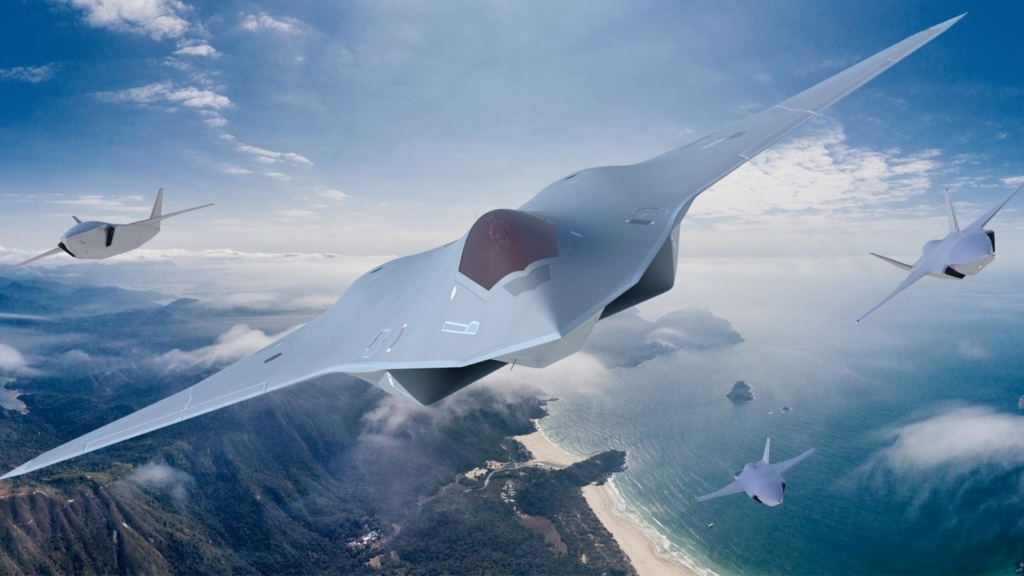
The F-47 is expected to control “loyal wingman” drones — unmanned aircraft that fly alongside it and follow its commands.
These drones could:
- Carry additional weapons
- Act as decoys to draw enemy fire
- Jam radar systems
- Scout dangerous areas ahead
This turns the F-47 into a mission commander, leading a small fleet instead of fighting solo.
🚀 Longer Range, More Power
Modern conflicts may span huge distances, especially over oceans. The F-47 is likely being designed with range and endurance as top priorities.
Expected performance improvements may include:
- Adaptive cycle engines for better fuel efficiency and high thrust
- Sustained supercruise (flying supersonic without afterburners)
- Greater combat radius for deep strike missions
This makes it ideal for operating in regions where airbases are far from the front lines.
⚡ Could It Carry Laser Weapons?
It sounds futuristic, but directed energy weapons are becoming more realistic.
The F-47 could potentially use lasers to:
- Shoot down incoming missiles
- Damage or blind enemy sensors
- Counter drone swarms
If deployed, lasers would give the aircraft near-instant defensive capability — something missiles can’t match.
🛰️ A Flying Data Hub
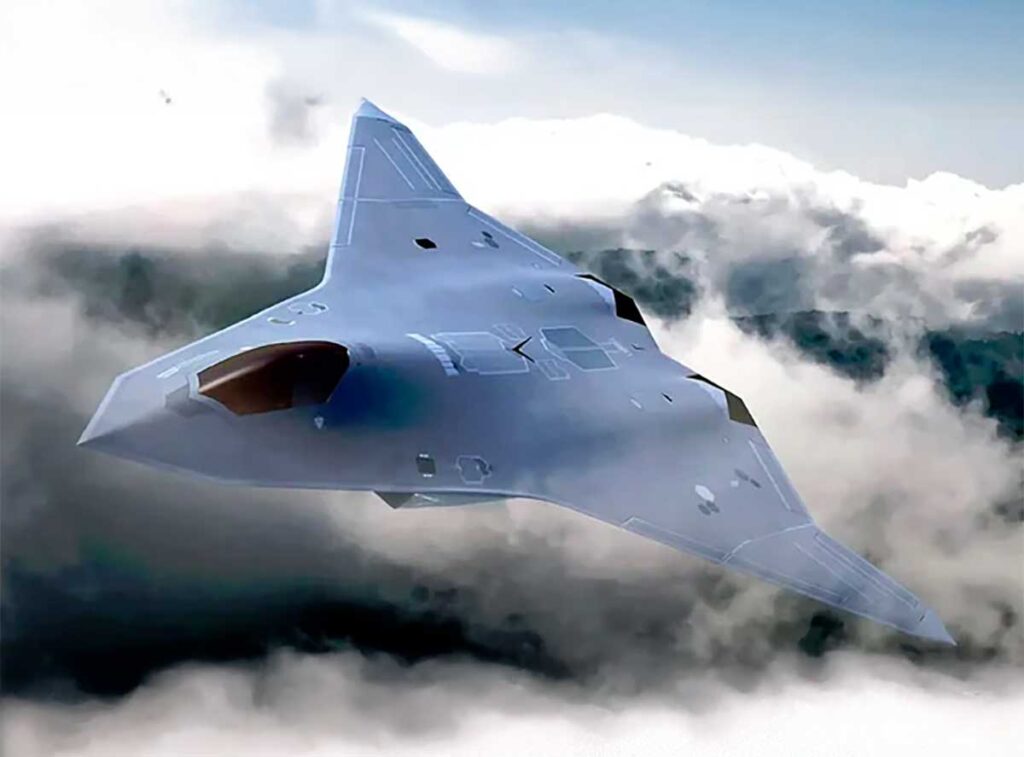
The F-47 isn’t just gathering information — it’s sharing it.
It would likely connect with:
- Satellites
- Naval ships
- Ground forces
- Other aircraft
- Unmanned systems
This creates a real-time battlefield network, where the F-47 helps build a complete digital picture of the fight and distributes it to friendly forces.
🎯 More Than a Fighter Jet
Here’s the key takeaway:
The F-47 is not just designed to win dogfights.
It’s built to control the air war itself.
By combining stealth, AI, drone control, long-range strike capability, and network warfare, the F-47 could become the centerpiece of future air dominance strategies.
🌍 Why the F-47 Matters
Future battlefields will be crowded with sensors, drones, missiles, and electronic warfare systems. Survival won’t just depend on speed or maneuverability — it will depend on intelligence, coordination, and adaptability.
The F-47 represents that shift.
If this sixth-generation fighter becomes reality, it won’t just be the next step in aviation.
It could redefine how air wars are fought for decades to come.