

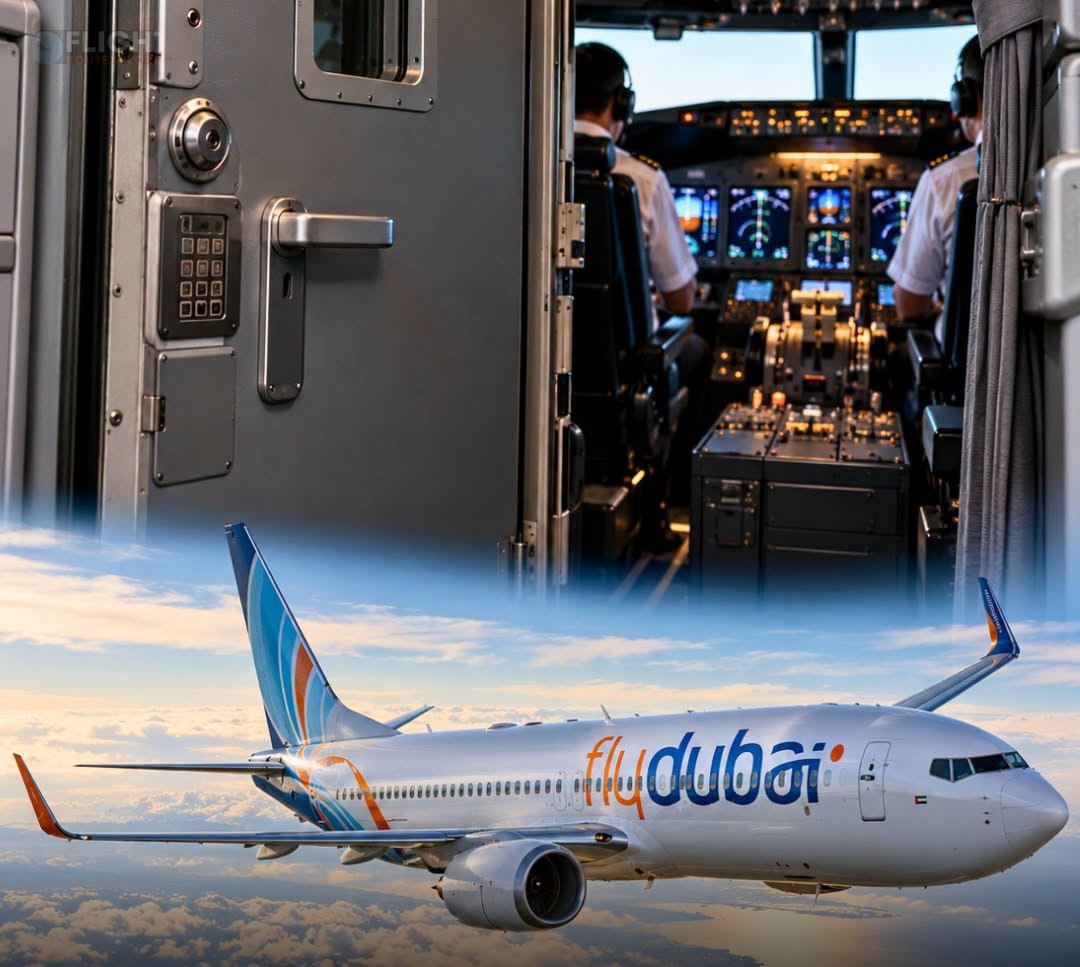
A Boeing 737 MAX 8 was flying toward Israel when a terrifying cockpit confrontation reportedly erupted between the captain and co-pilot. Within moments, a routine passenger flight turned into a fight for control of the aircraft.
The most disturbing question now isn’t simply what happened inside the cockpit.
It’s this:
DID AVIATION HAVE WARNING SIGNS BEFORE THE FLIGHT EVEN TOOK OFF?
Flydubai FZ1073 was operating from Dubai when the situation inside the cockpit reportedly escalated dramatically. The aircraft subsequently entered an extraordinary descent, losing thousands of feet in a very short period of time before control was recovered.
For everyone onboard, those moments must have been terrifying.
But the incident has exposed a much bigger vulnerability in modern aviation: the insider threat.
Airport security is designed to stop dangerous people from getting onto an aircraft. Cockpit doors are reinforced to prevent unauthorised entry. Security screening searches passengers for weapons and explosives.
But what happens when the person who becomes the threat is already sitting inside the cockpit?
A pilot doesn’t need to breach a security checkpoint. They don’t need to force open a cockpit door. They already have authorised access, extensive training and direct control over one of the most complex machines in the world.
That is why the questions surrounding FZ1073 are so important.
Could information about previous concerns, behavioural issues or a pilot’s professional history have been shared more effectively between aviation authorities and airlines?
When pilots move between countries and operators, does every important piece of information move with them?
Or can critical warning signs remain trapped inside separate databases, organisations or national systems?
One isolated incident may not appear significant. But several small warning signs, when connected together, could potentially reveal a much bigger picture.
And that is precisely where aviation’s next security challenge may lie.
The FZ1073 incident also demonstrates how quickly a cockpit emergency can turn into a potential catastrophe. The aircraft reportedly entered an extremely steep descent, leaving the crew with precious little time to recover.
The situation was eventually brought under control, and the aircraft diverted safely to Saudi Arabia.
But the terrifying question remains:
WHAT IF CONTROL HAD NOT BEEN RECOVERED?
WHAT IF THE COCKPIT DOOR HAD REMAINED CLOSED?
WHAT IF NO ONE HAD BEEN ABLE TO INTERVENE?
And perhaps the most uncomfortable question of all:
WHAT IF THERE WERE WARNING SIGNS BEFORE THE AIRCRAFT EVER LEFT THE GROUND?
The answers will depend on the investigation, flight-data recorders, cockpit recordings, security records, employment history and witness evidence.
But one lesson is already emerging.
Aviation security cannot only be about keeping dangerous people OUT.
In an industry where a handful of people are entrusted with enormous authority, security may also have to focus on identifying potential threats FROM WITHIN.
The Flydubai FZ1073 incident may therefore become a major case study in the future of aviation security—and in whether the industry is truly prepared for the threat that doesn’t need to break into the cockpit because it already has permission to be there.










