
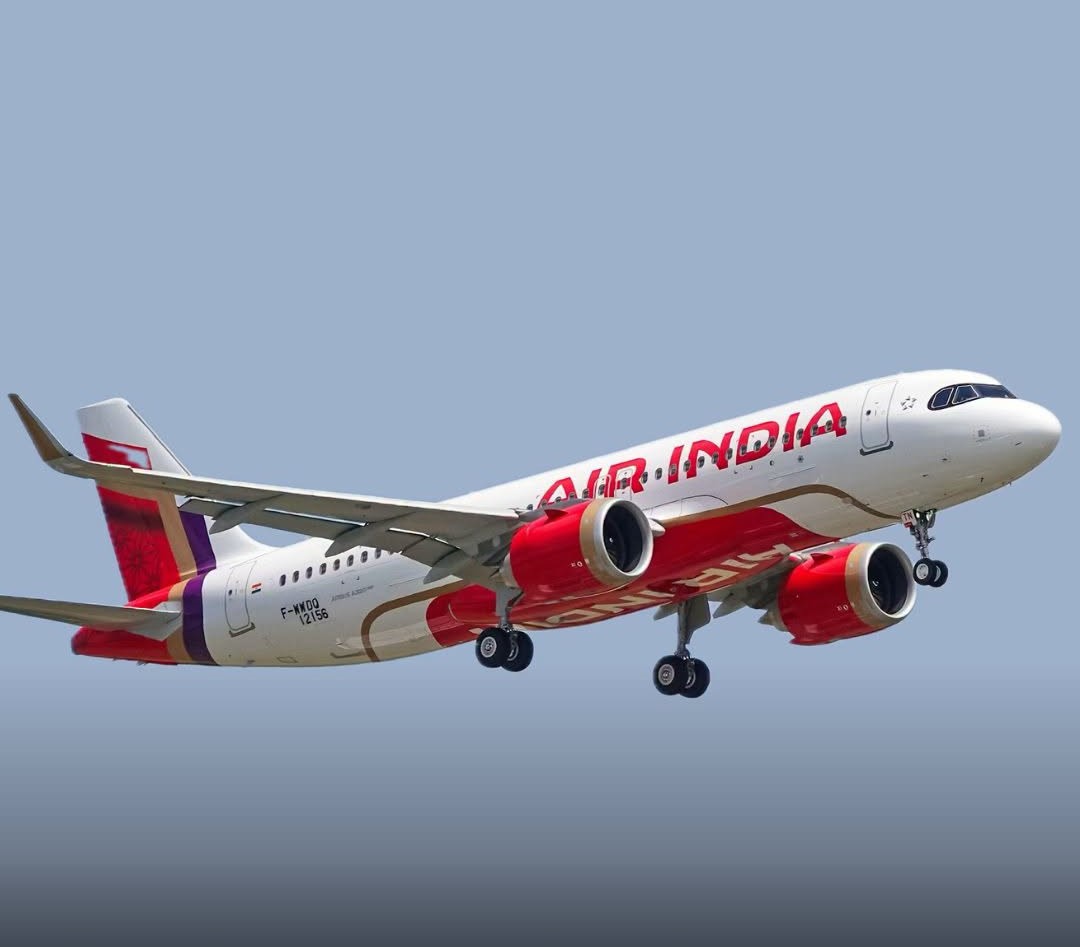
A preliminary investigation into an Air India flight from Phuket to Delhi has revealed that all three of the Airbus aircraft’s hydraulic systems lost pressure within just four seconds, triggering a continuous cockpit alarm and disconnecting the autopilot.
At 36,000 feet, the aircraft suddenly pitched up and climbed about 372 feet before plunging nearly 292 feet below its original altitude. The rapid movement caused a stall warning and threw passengers and cabin crew against overhead bins, injuring 24 people.
Investigators said severe turbulence was unlikely to have caused the incident, noting that neither the pilots nor air traffic control had reported adverse weather.
The aircraft’s three independent hydraulic systems — green, blue and yellow — are designed to provide redundancy, making the simultaneous loss of pressure particularly significant. Investigators have not yet determined why all three systems lost pressure.
The incident, which occurred on August 4 while carrying 137 passengers and eight crew members, has now been classified as an “accident” rather than a “serious incident.”
The investigation also revealed that the captain received a “non-negative” result in a confirmatory test for psychoactive substances following the accident. Reuters reported that the substance was marijuana. The report called the finding a “serious concern” and recommended appropriate action by India’s aviation regulator.
Air India says it is fully cooperating with investigators and has provided access to operational, maintenance and technical records.
Following the incident, the airline has introduced one-time mandatory substance testing for all pilots, while the Indian government is considering annual drug testing for pilots instead of the current requirement that 10% be tested each year.
The investigation into why all three hydraulic systems lost pressure simultaneously remains ongoing.