

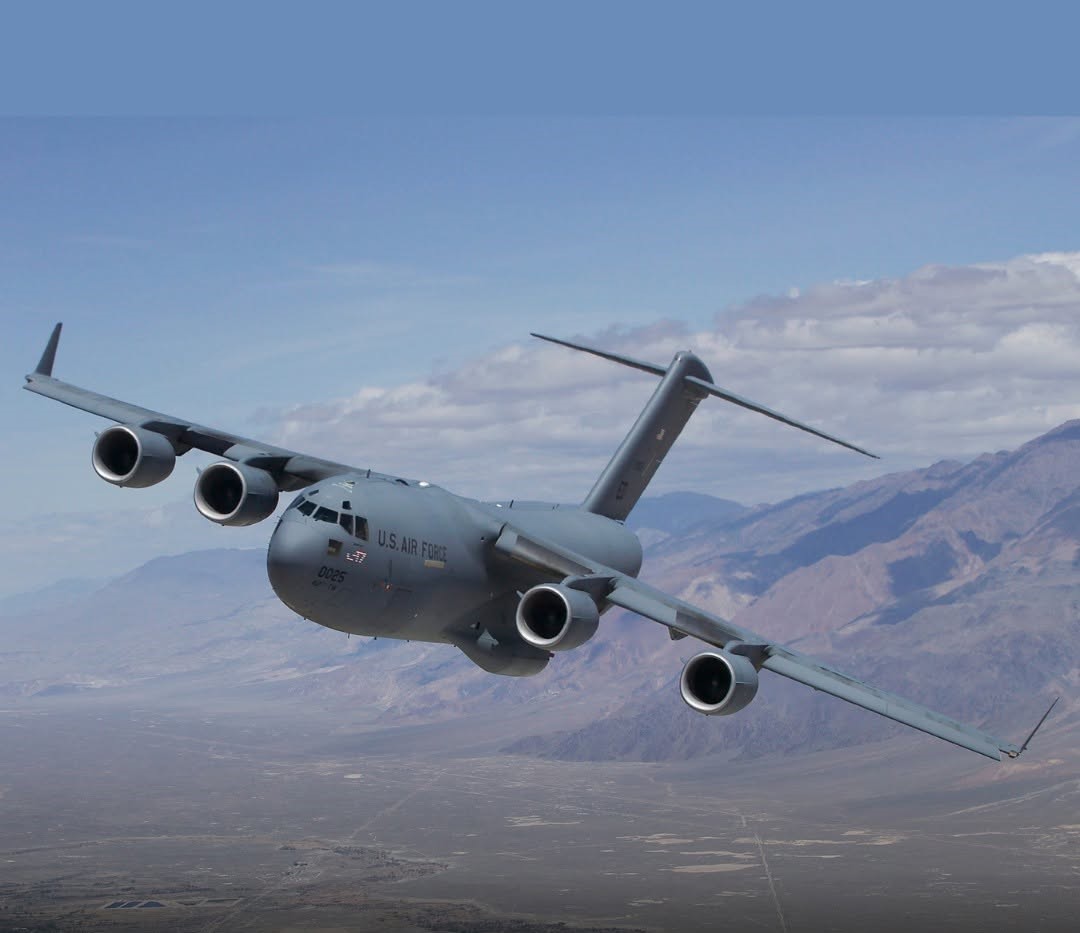
A routine US Air Force mission to Antarctica took an unexpected turn Tuesday when a C-17 Globemaster III was forced to abandon its southbound journey after authorities warned of potentially hazardous activity in the airspace ahead.
The aircraft, operating under the call sign ICE28, departed Christchurch, New Zealand, at around 9 a.m., heading toward Antarctica. But roughly 150 minutes later, it was back on the ground in Christchurch.
The reason? A warning connected to a planned Russian missile launch.
New Zealand’s Civil Aviation Authority said Russia’s State Air Traffic Management Corporation had notified it about the planned launch and a potential hazard to international airspace within New Zealand’s massive Oceanic Flight Information Region.
Authorities established a danger area and issued a NOTAM alerting pilots and operators. While the notice did not technically prohibit aircraft from entering the area, operators were left to decide whether it was safe to continue.
The C-17 crew ultimately turned around.
The timing was particularly significant because the flight was operating during the annual Winter Fly-in, or WINFLY, period. Flights between Christchurch and Antarctica resume during this period to transport personnel, equipment and supplies to McMurdo Station and New Zealand’s Scott Base ahead of the busy summer research season.
New Zealand’s Oceanic FIR covers around 30 million square kilometers, much of it over international waters.
A military transport flight heading for one of the most remote places on Earth — turned around because of a hazard linked to activity far above it.