
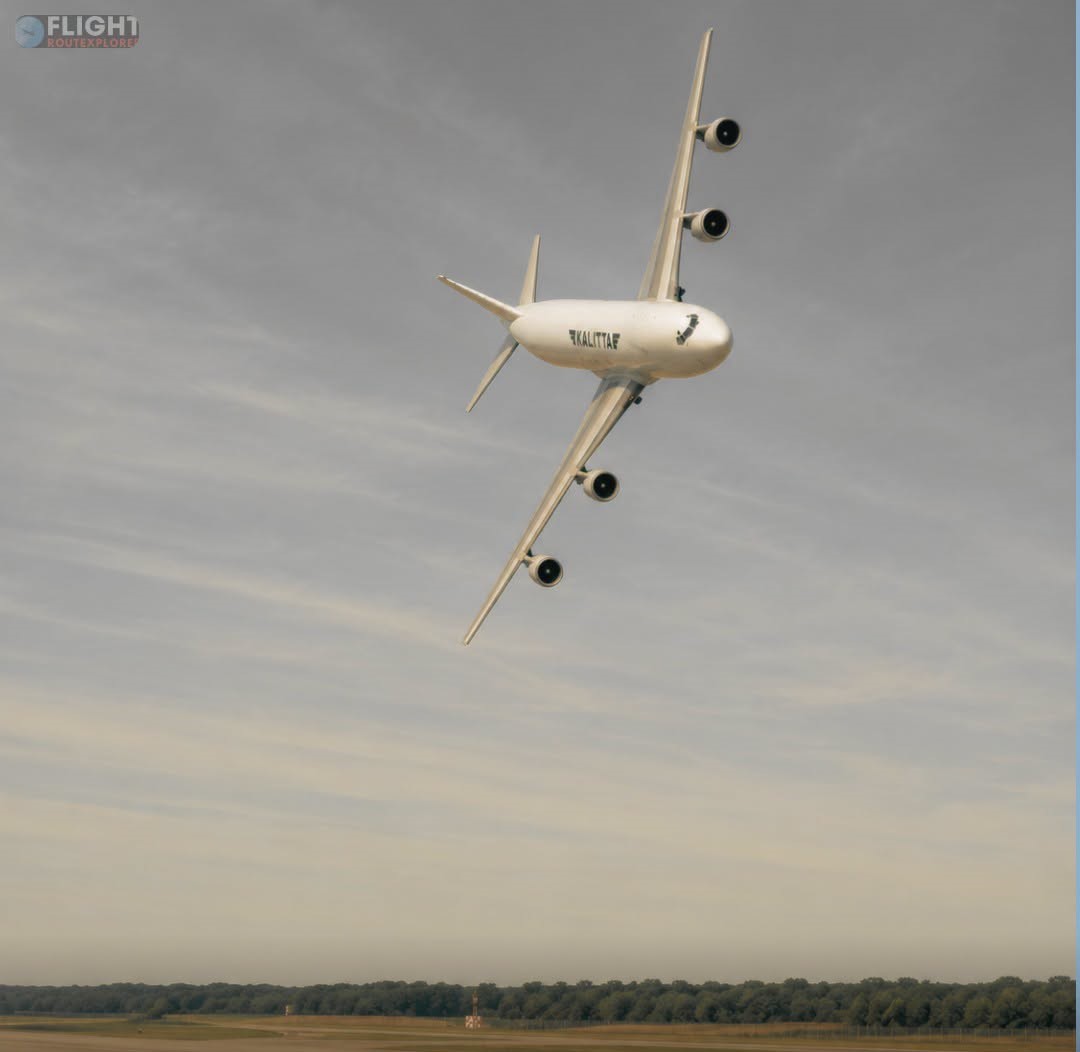
On August 18, 1993, American International Airways Flight 808 was approaching the U.S. Naval Station at Guantánamo Bay, Cuba, when a routine cargo flight turned into a terrifying loss of control.
The three experienced crew members survived a crash that destroyed the Douglas DC-8-61, but the investigation uncovered something far more disturbing than a simple pilot error: extreme fatigue, a fixation on an inoperative light, inadequate crew coordination and weaknesses in airport-specific training had combined to create the accident.
The aircraft, registered N814CK, was a DC-8-61 freighter built in 1969. It had originally served as a passenger aircraft before being converted to cargo service. Flight 808 was operating a military contract mission for the U.S. Navy, carrying mail and perishable food from Naval Station Norfolk to Guantánamo Bay.
The crew consisted of 54-year-old Captain James Chapo, 49-year-old First Officer Thomas Curran and 35-year-old Flight Engineer David Richmond. All three were highly experienced aviators, which made what happened particularly revealing.
The crew’s problems had begun long before they reached Cuba. Their previous duty period had started around midnight, and they had flown a series of sectors through St. Louis, Michigan and Atlanta.
Their original assignment was supposed to end in Atlanta, but another aircraft developed mechanical problems. The crew was subsequently assigned an additional trip to Norfolk and then Guantánamo Bay.
By the time Flight 808 reached Cuba, the crew had been on duty for about 18 hours. Captain Chapo had been awake for approximately 23.5 hours, First Officer Curran for 19 hours and Flight Engineer Richmond for 21 hours.
Their sleep during the preceding days was also severely restricted. The NTSB concluded that their sleep loss, long periods awake and disrupted circadian rhythms had significantly impaired their performance.
Flight 808 departed Norfolk at about 2:13 p.m. and initially everything went normally. At 4:34 p.m., the crew contacted Guantánamo Bay air traffic control. The controller assigned Runway 10 for the landing…..[Continued in comments section]