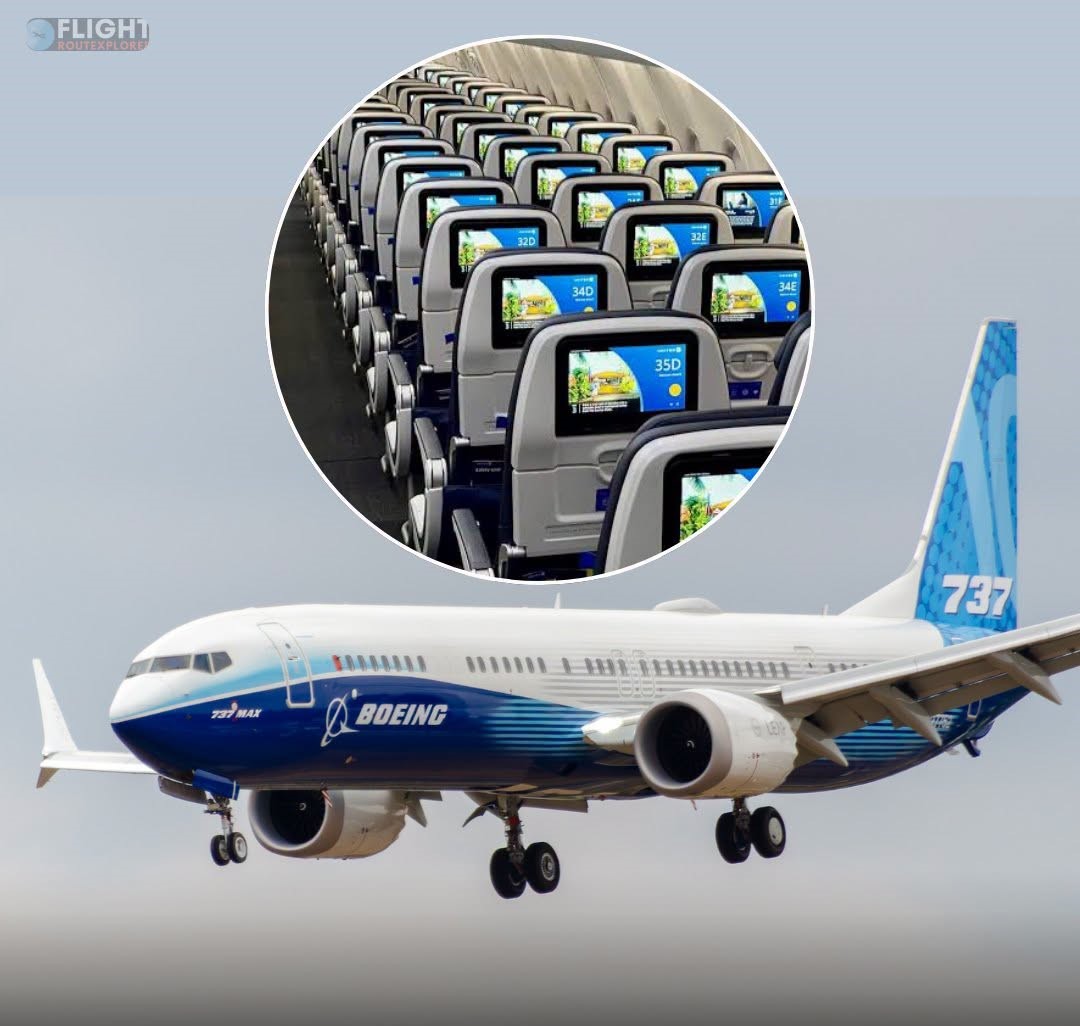
FAA Warns Incorrectly Installed Seats on 453 Boeing 737 MAX Jets Could Cause Injuries During Emergency Landings.
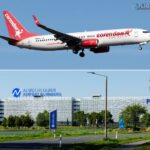
The US Federal Aviation Administration (FAA) has proposed mandatory inspections of passenger seats on 453 Boeing 737 MAX aircraft registered in the United States after discovering that some seat assemblies may have been installed incorrectly, raising concerns about passenger safety.
According to the FAA, improperly secured seat assemblies could detach from their seat tracks during severe turbulence or an emergency landing. Such a failure could injure passengers and crew, while also blocking the aircraft aisle and slowing emergency evacuations when every second counts.
The proposed Airworthiness Directive was issued after reports indicated that some passenger seat assemblies were not correctly locked into the seat tracks during installation. Each affected aircraft can have as many as 69 track-mounted passenger seat assemblies, meaning airlines will need to inspect every seat to ensure it is properly secured.
The FAA estimates the inspection and any necessary corrective work will take approximately one hour per seat assembly and will not require replacement parts in most cases. However, the agency has not yet announced a compliance deadline for airlines.
In its proposal, the FAA warned:
*”This condition, if not addressed, could result in injury to passengers and crew during an emergency landing or could block the aisle, which could slow evacuation.”*
Boeing has expressed support for the FAA’s action. A company spokesperson said Boeing had already provided guidance to airlines in December 2025 regarding the issue and supports making those recommendations mandatory through an FAA directive.
At present, the proposal applies only to US-registered Boeing 737 MAX aircraft. However, aviation authorities in other countries often review and adopt FAA safety directives for aircraft operating within their jurisdictions, meaning similar inspections could eventually be required worldwide.
The latest safety proposal comes as Boeing continues efforts to strengthen manufacturing and quality control under CEO Kelly Ortberg following intense regulatory scrutiny after the Alaska Airlines Boeing 737 MAX 9 door plug blowout in early 2024, an incident that prompted widespread inspections and renewed oversight of the aircraft manufacturer’s production processes.
While no injuries have been linked to the seat installation issue so far, the FAA’s proposal highlights the aviation industry’s proactive approach to identifying and correcting potential safety risks before they lead to an accident.