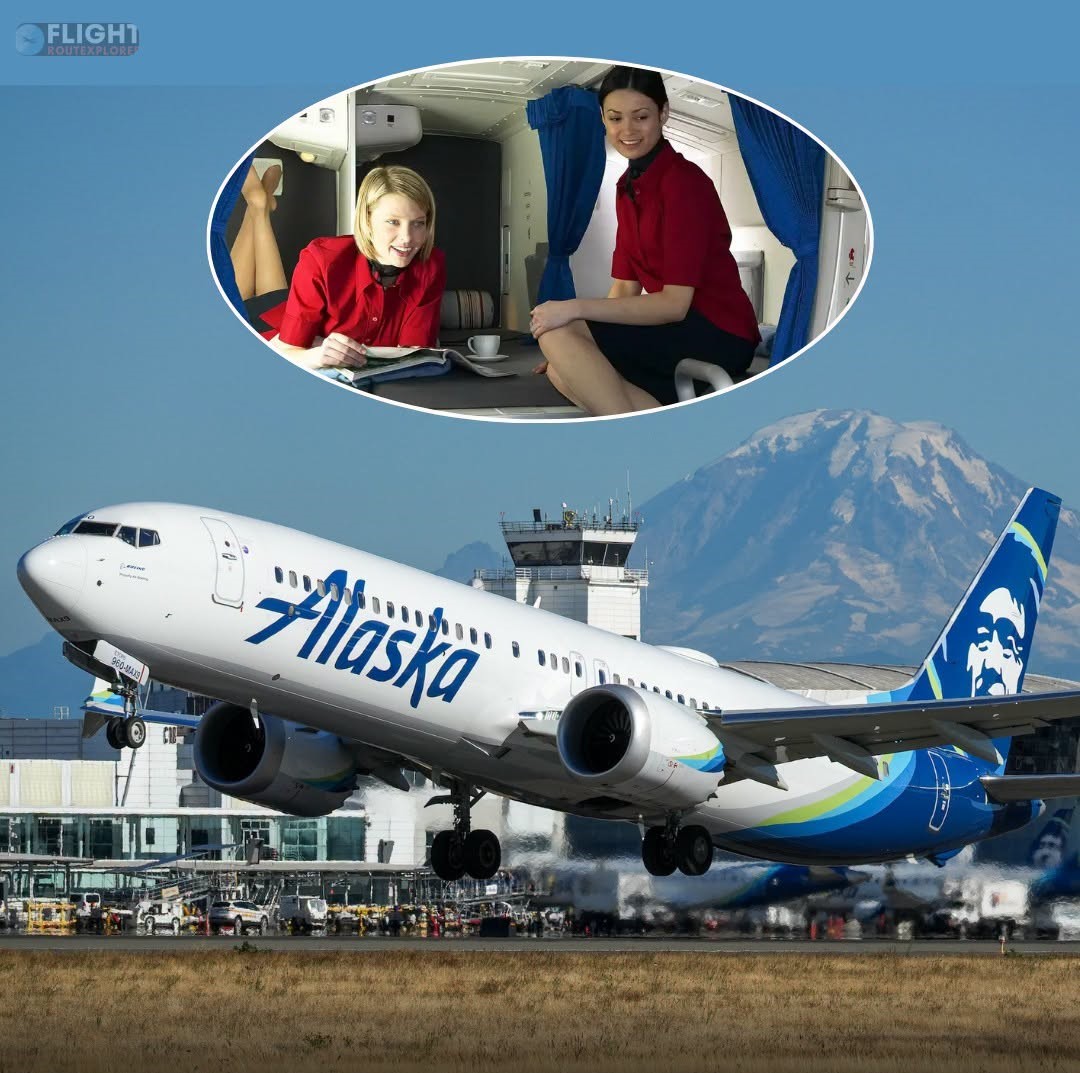
FAA’s New Proposal Could Change Flight Attendant & Pilot Meal Break Rules Across America
A major regulatory battle is unfolding in the U.S. aviation industry, and its outcome could reshape the working conditions of thousands of pilots and flight attendants.
The Federal Aviation Administration (FAA) has proposed a new rule that would prevent airline crews from claiming mandatory meal and rest breaks under individual State labor laws, arguing that aviation safety requires one consistent national standard rather than a patchwork of different state regulations.
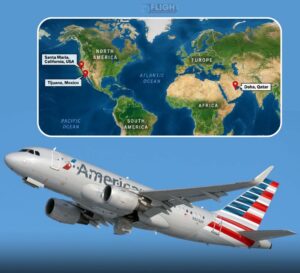
The proposal comes after years of legal disputes involving airlines such as American Airlines and Alaska Airlines over California’s labor laws, which require employees working more than five hours to receive an uninterrupted 30-minute meal break.
American Airlines reportedly paid a $24 million settlement to California-based flight attendants in 2023 over the issue, while Alaska Airlines spent years fighting the law in court after acquiring Virgin America. Although Alaska eventually secured an exemption through negotiations with the Association of Flight Attendants (AFA-CWA), it had to guarantee minimum onboard break periods in its collective bargaining agreement.
Under that agreement, flight attendants receive a minimum 10-minute seated break on flights with a block time of at least 2.5 hours, while flights with a block time of at least 4 hours provide a minimum 30-minute break.
Now, the FAA wants to make it clear that State meal-break laws should not apply to airline flight crews because aviation is already governed by federal regulations under the Airline Deregulation Act of 1978.
The FAA argues that allowing different states to impose different labor requirements would create operational complexity for airlines flying across multiple states every day. According to the agency, varying meal-break rules could affect flight schedules, staffing, airline services, and ultimately passenger safety.
One of the FAA’s strongest arguments is that flight attendants are never truly “off duty” while passengers are onboard. Even during the cruise phase of a flight, cabin crew must remain ready to respond instantly to emergencies including cabin fires, medical emergencies, unruly passengers, security incidents, and emergency evacuations on land or water.
Instead of regulating meal breaks during flights, the FAA says it already manages fatigue through federally mandated rest periods between duty shifts for both pilots and flight attendants.
It is important to note that this is currently only a Notice of Proposed Rulemaking (NPRM). The proposal is open for public comments until September, after which the FAA will review feedback before deciding whether to issue a final rule—a process that could still take many months.
If adopted, the proposal would likely receive strong support from airlines seeking nationwide consistency, while labor organizations and several states could challenge the move over worker rights and protections.