
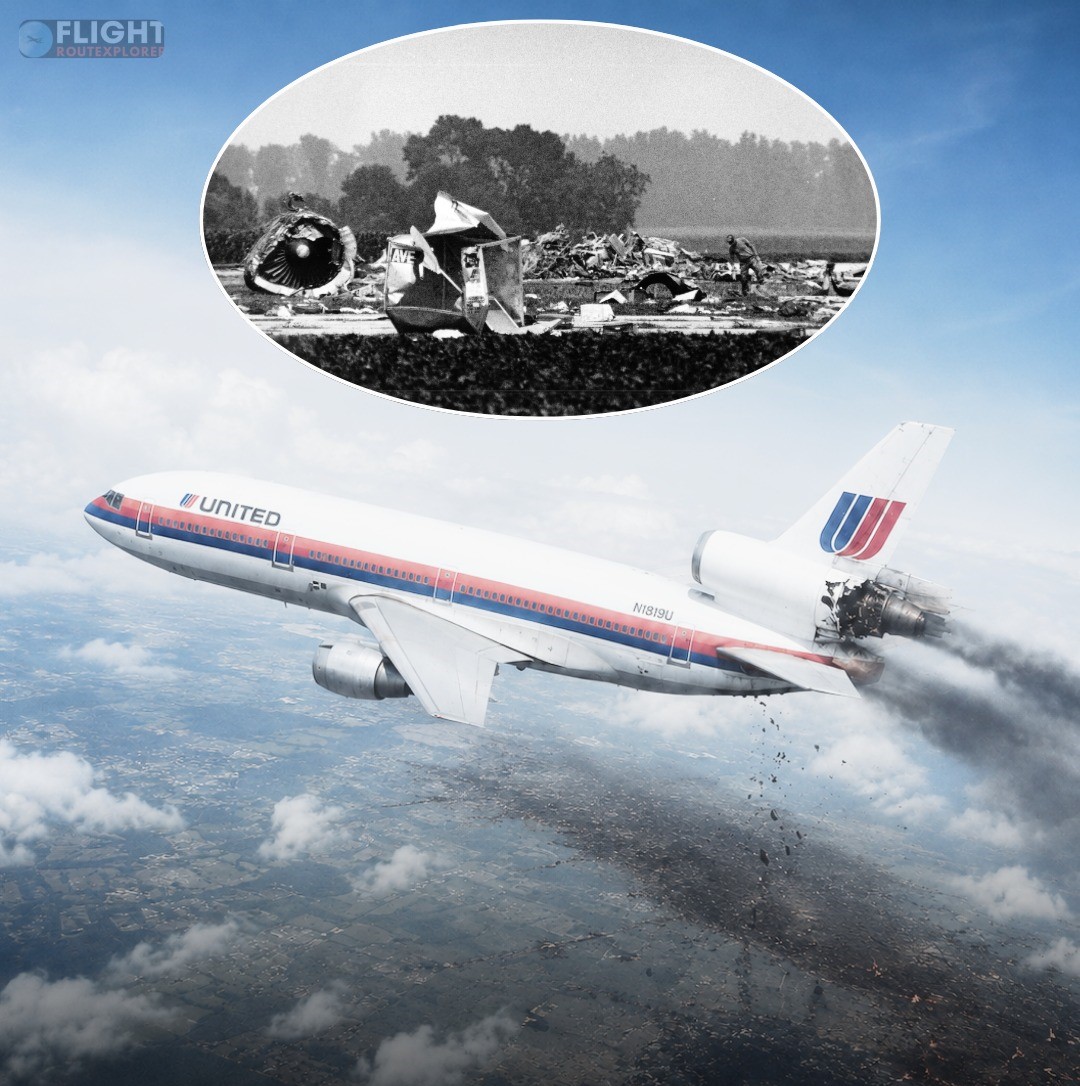
On July 19, 1989, United Flight 232, a McDonnell Douglas DC-10 carrying 296 people, was cruising from Denver to Chicago when the engine in its tail suddenly exploded over Iowa.
Capt. Al Haynes heard the bang and thought it might have been a bomb. The DC-10 shuddered, jolted, and snapped hard to the right. First Officer William Records grabbed the yoke. In the cabin, passengers felt the plane move beneath them.
But the DC-10 was built to survive an engine failure. The real problem was that the explosion didn’t stay inside the engine.
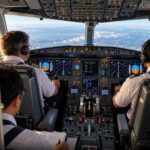
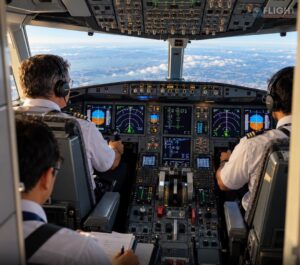
Shrapnel from the engine cut through the hydraulic systems that moved the plane’s flight controls. While the crew still had power, instruments, radios, and two engines running under the wings, they didn’t have a normal way to steer. Haynes and Records pulled on the yoke and pressed the rudder pedals, but without hydraulic pressure, the plane barely responded.
As Laurence Gonzales reports in the classic Pop Mech feature, “The Crash of United Flight 232,” Haynes found the first sign that the engines might still give the crew some control:
The DC-10 had stopped its climb and begun descending, rolling to the right. Haynes said, ‘I’ve got it,’ and took hold of his own control wheel. ‘As the aircraft reached about 38 degrees of bank on its way toward rolling over on its back,’ Haynes explained later, ‘we slammed the No. 1 [left engine] throttle closed and firewalled the No. 3 [right engine] throttle.’
A few seconds later, the right wing slowly came back up.
Haynes pulled back the left throttle and pushed the right one forward. That made the right engine push harder than the left. The uneven push swung the nose left, and the right wing slowly came back up.
But engines make terrible flight controls. If you push a throttle forward, the plane may not answer right away. Flight 232 was also rising and falling in a long cycle. The nose would drop and the airplane would pick up speed—then the nose would rise, the speed would decrease, and the whole motion would start again.
So the crew wasn’t really flying the DC-10. They were making small throttle changes, waiting to see how the plane reacted, and then trying to guess what it would do next.
But somehow, that was enough to aim the plane toward Sioux City Gateway Airport. Capt. Dennis Fitch, a DC-10 instructor who happened to be on board, came forward and took over the throttles while Haynes and Records fought the yoke. The plane kept descending in wide turns. At 3:45 p.m., the crew managed its only left turn. A few minutes later, they got the landing gear down by hand. By 4 p.m., Flight 232 was pointed at Runway 22. It was still too fast and dropping too quickly. There wasn’t a good way to slow it down.
“When the plane lined up with Runway 22, Fitch understood that they had 360,000 pounds of flesh and metal going nearly 250 mph with no way to stop it.”
The right wing hit first and the landing gear tore into the old concrete. The plane broke apart, caught fire, and ended up upside down. Of the 296 people on board, 185 survived. That’s what makes Flight 232 such a unique case, and one of the airplane crashes that changed aviation forever: while the crew didn’t land the plane safely, they kept it alive long enough to save so many people’s lives.
NASA would later spend years studying the problem of Flight 232. Could a plane be flown with engine thrust alone? Well, sort of. Researchers found that pilots could sometimes keep a damaged aircraft in the air by working the throttles, but the method was too slow for a reliable landing without computer help. Flight 232 didn’t have that.
For the rest of the story—what happened in the cockpit, how the flight attendants prepared passengers for impact, what controllers saw from the tower, and how 185 people miraculously survived the crash—read the harrowing feature, “The Crash of United Flight 232,” now.