
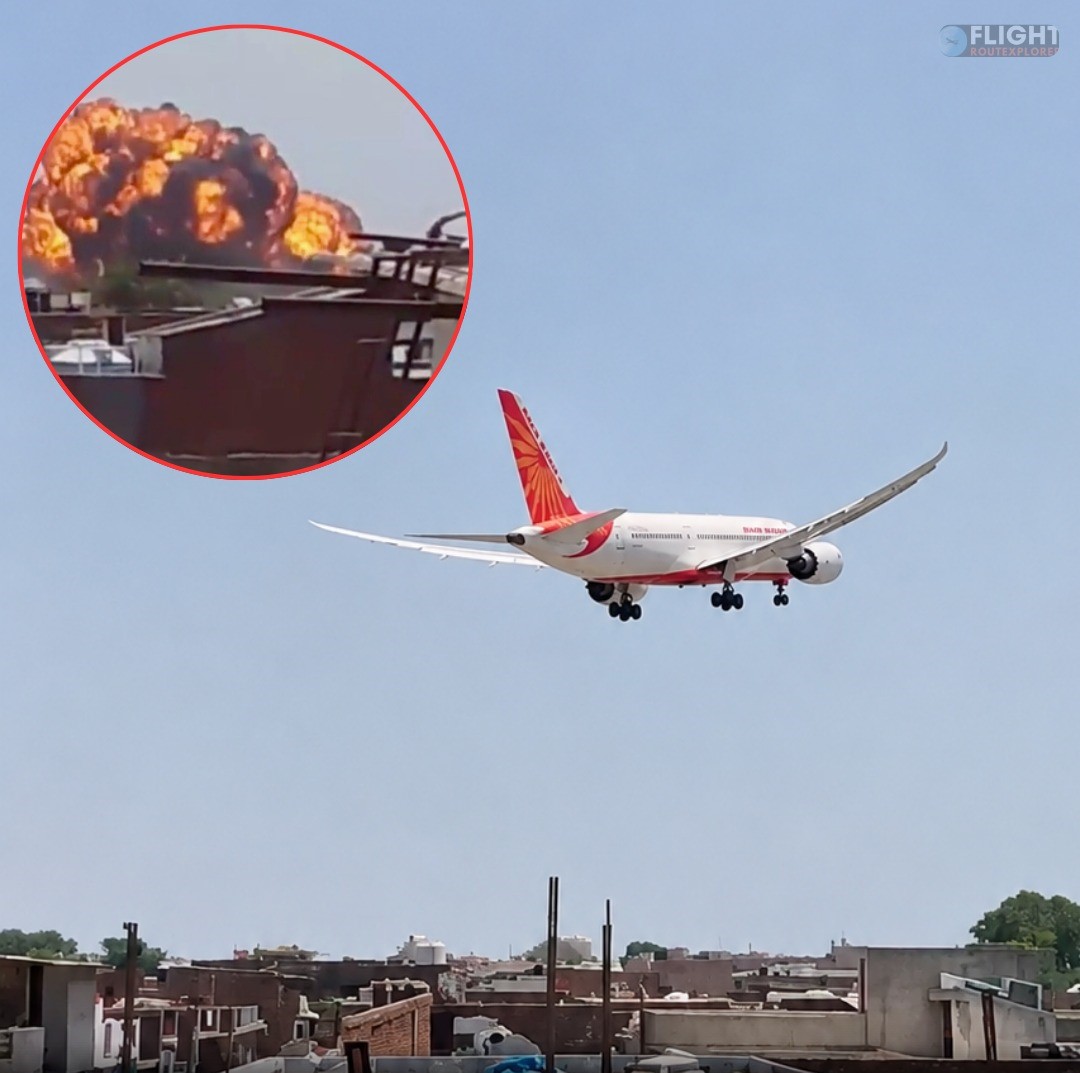
The debate between Boeing and Airbus safety philosophy is once again under intense scrutiny after reports surrounding Air India Flight AI-171, a Boeing 787 Dreamliner, suggested the aircraft may have lost power after fuel switches were moved to the OFF position during the critical takeoff phase.
If true, the question shaking the aviation world is simple but terrifying:
Why would a modern airliner allow both engines to be shut down moments after takeoff?
For decades, Boeing and Airbus have followed two very different philosophies when designing aircraft cockpits and flight control systems.
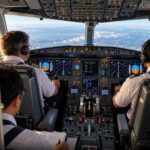
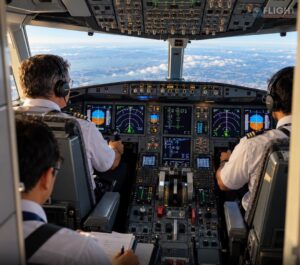
Boeing traditionally gives pilots maximum authority. Even in advanced jets like the 787 Dreamliner, the aircraft is designed to obey cockpit commands, assuming the crew may have a valid emergency reason for their actions. The philosophy is built around the belief that the human pilot remains the final decision-maker.
Airbus took a different path.
Its fly-by-wire technology places aircraft computers between pilot inputs and the airplane itself. Airbus flight computers constantly analyze speed, altitude, angle, engine performance, and aircraft configuration. If the system believes a command could place the aircraft in extreme danger, it may restrict or reject the input entirely.
That has now sparked a major argument among aviation experts:
Had AI-171 been equipped with deeper fly-by-wire protections, could onboard computers have prevented the fuel cutoff command altogether?
Critics argue that a modern aircraft should recognize obvious danger scenarios. An airplane only seconds after takeoff, still at low altitude, climbing with landing gear extended, should never expect both engines to suddenly be shut down intentionally. Supporters of Airbus-style protections believe advanced flight computers could have identified the command as invalid, delayed execution, or demanded additional confirmation from pilots before cutting fuel supply.
Some aviation analysts compare it to modern cars automatically preventing collisions or overriding dangerous driver inputs. They argue commercial aircraft should now have similar “common sense” safety barriers.
But Boeing supporters strongly disagree.
They warn that giving computers the authority to reject pilot commands creates an entirely new danger. In a real engine fire, catastrophic mechanical failure, or fuel leak, pilots may need to shut down an engine instantly. If a computer wrongly blocks that action, the consequences could be equally deadly.
The debate highlights one of aviation’s oldest and most sensitive questions:
Who should have ultimate control during a crisis — the pilot or the computer?
Many experts now believe the future may lie somewhere in the middle. Instead of completely blocking dangerous commands, future airliners could introduce intelligent confirmation systems during critical flight phases. For example, shutting off fuel to both engines during takeoff might require pilots to hold switches for several seconds or confirm the action through additional safeguards.
As investigations continue, the AI-171 tragedy may become another major turning point in aviation design philosophy — one that could redefine how much authority pilots and computers should have in the cockpit of the future.