

A passenger jet departing Belgium narrowly avoided a potentially catastrophic accident after beginning its takeoff roll on a taxiway instead of the runway, forcing the crew to perform a high-speed rejected takeoff just moments before the pavement narrowed and obstacles approached.
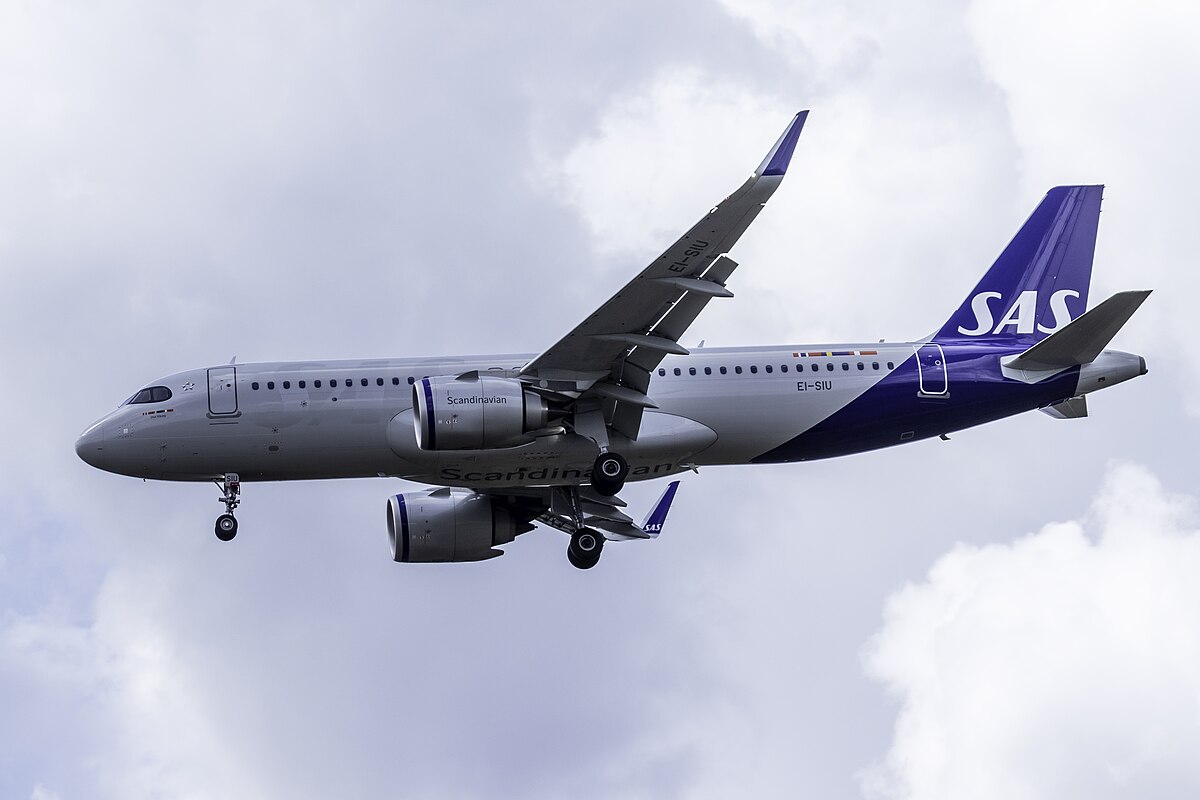
On February 5th 2026, a Scandinavian Airlines Airbus A320neo, registration SE-ROM, operating flight SK-2590 from Brussels to Copenhagen with 152 passengers and six crew members on board, was taxiing for departure at Brussels Airport when the crew was cleared for takeoff from runway 07R.
Instead of entering the runway, however, the aircraft mistakenly lined up with the parallel taxiway E1 near the intersection of the outer taxiway and began accelerating for takeoff at 22:03 local time. The jet rolled along taxiways E1, F2 and V1 as it gathered speed.
During the takeoff roll the aircraft reached about 100 knots when the crew realized something was wrong. The aircraft continued accelerating briefly, reaching about 126–127 knots before the pilots initiated a rejected takeoff. Braking was applied and the thrust reversers were deployed as the aircraft rapidly decelerated.
The jet managed to stop at the intersection of taxiways V1 and C1, just before the taxiway narrowed and shortly before the end of the pavement. According to airport officials, the aircraft also came to rest just short of airport fuel tanks located nearby.
Emergency services responded immediately to the scene. Passengers disembarked directly onto the taxiway using mobile stairs and were transported back to the terminal by bus. No injuries were reported and the aircraft did not sustain damage, but the flight was cancelled and passengers were rebooked on other services.
Belgium’s Belgian Air Accident Investigation Unit opened an investigation and classified the event as an incident. A preliminary report released on March 7th 2026 revealed a complex sequence of events leading up to the mistake.
Earlier that evening, the return flight to Copenhagen had been delayed due to air traffic flow restrictions, leaving the crew with only a 42-minute turnaround after arriving late in Brussels. Boarding proved challenging because many passengers were carrying large amounts of cabin baggage, prompting repeated announcements urging them to hurry.
During taxi, the crew accepted an intersection departure from runway 07R at taxiway C6 to help meet their assigned takeoff slot. As they approached the area, the crew apparently mistook the outer taxiway for the intersection entry point and entered taxiway E1 instead of the runway.
Cockpit recordings showed the aircraft aligning on a heading consistent with runway 07R, which likely reinforced the misidentification. The takeoff roll began normally, with thrust set to FLEX power and standard callouts performed.
The mistake became apparent shortly after the aircraft passed 100 knots. The first officer noticed the outside view looked unusually narrow and quickly realized the aircraft was not on a runway. The first officer immediately called for a stop, prompting the captain to initiate the rejected takeoff.
Air traffic controllers observed the abort but initially did not intervene, recognizing that the crew was already handling the situation. Once the aircraft came to a stop, the crew informed the tower: “We are OK, but something went very wrong.”
Airport firefighters arrived within minutes and confirmed the aircraft had not struck any objects. Because the nose gear had stopped directly in front of runway guard lights, the aircraft could not immediately taxi away and was later towed back to the terminal area after passengers were removed.
Investigators are examining the circumstances surrounding the misidentification of the taxiway, cockpit workload during the delayed turnaround, and operational pressures related to the departure slot.