


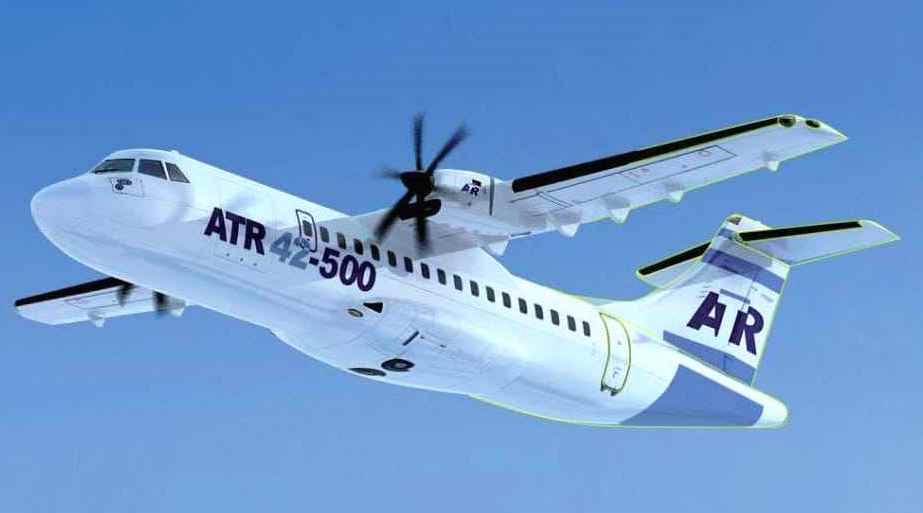
On Jan 17th 2026, an IDA Indonesia Air Transport ATR-42-500 disappeared from the skies of South Sulawesi in one of the country’s deadliest recent regional aviation tragedies, later to be found wrecked high on a remote mountain peak with no survivors.
The aircraft, registered PK-THT, was operating a flight from Yogyakarta to Makassar with 11 people on board. While en route and nearing its destination, radar and radio contact were suddenly lost. According to AirNav Indonesia, the last radar return was recorded at 13:17 local time at position 04°57’08” S / 119°42’54” E, about 11 nautical miles northeast of Makassar’s runway 21 threshold. Moments before the disappearance, the crew had already been cleared for the approach but were observed by air traffic control to be off the correct approach path and were being vectored back when contact was lost.
As concern grew, emergency services were alerted and search and rescue operations were launched, immediately facing severe challenges due to heavy rain, fog, and rugged terrain. Local residents in the Mount Lapiau and Leang-Leang areas reported hearing an explosion around the time of the last contact, followed by the sight of smoke rising from the mountainside, intensifying fears of a crash in the national park region.
Search teams soon focused their efforts on the Bantimurung Bulusaraung National Park, a mountainous area dominated by Mount Bulu Saraung, which rises to over 5,100 feet above sea level. Later that day, authorities confirmed that wreckage believed to be the missing aircraft had been located near the peak. Initial reports were cautious, as images taken by a climber had to be verified, but teams continued working through the night under extremely difficult conditions.
On Jan 18th 2026, SAR teams confirmed the discovery of the aircraft at Mount Bulu Saraung, providing precise coordinates and recovering debris along with the first victim. The grim recovery continued over the following days, with a second victim found in a ravine 500 meters from the peak on Jan 19th, and a third victim recovered on Jan 21st. That same day, rescuers located the tail section of the aircraft and successfully retrieved both black boxes, a crucial step in understanding what happened during the final minutes of the flight.
The international dimension of the investigation quickly followed. On Jan 21st 2026, France’s BEA announced it had dispatched three investigators to Indonesia to assist the Indonesian National Transportation Safety Committee (KNKT), reflecting the seriousness of the accident and the involvement of a French-built aircraft.
With Mount Bulu Saraung towering north of the last known radar position and steep terrain surrounding the approach path into Makassar, investigators now face the task of determining whether weather, navigation, terrain, or other factors contributed to the tragedy. As recovery and investigation continue, the loss of all 11 people on board has cast a long shadow over Indonesia’s aviation community, once again highlighting the unforgiving nature of mountain flying in challenging weather conditions.