


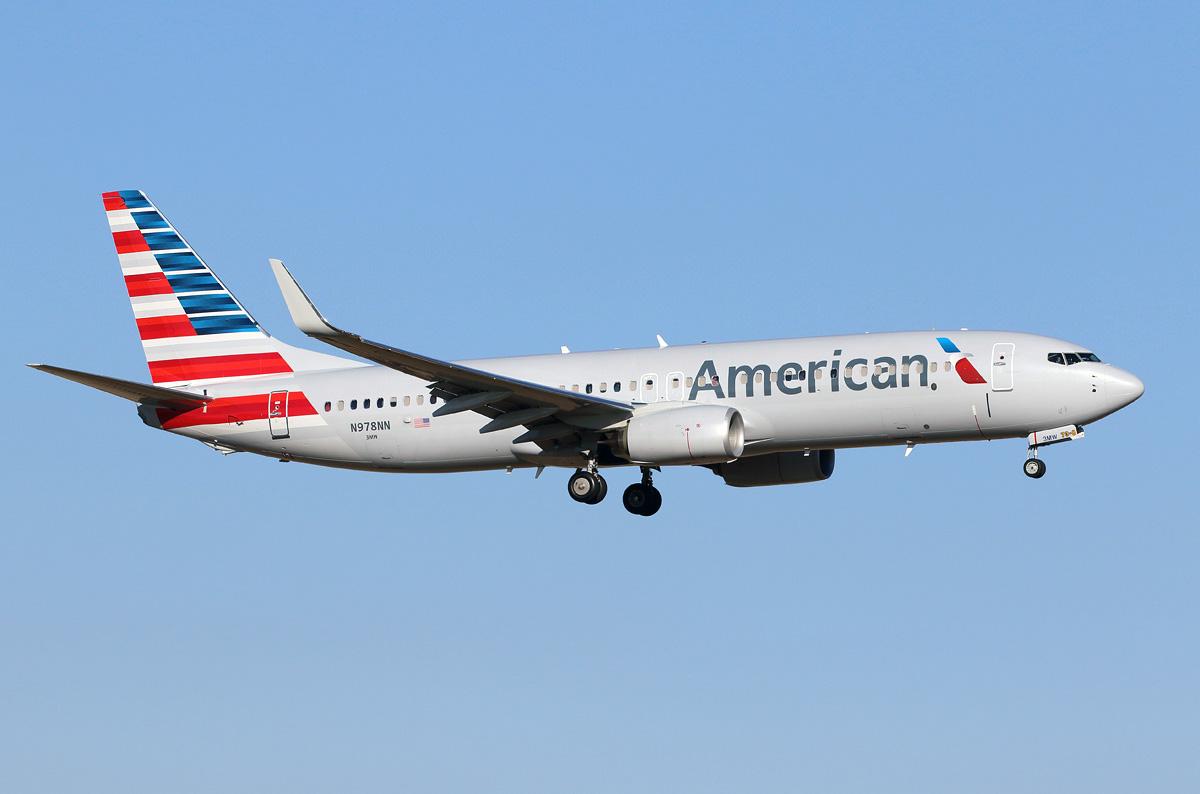
On Feb 15th 2026, an American Airlines Boeing 737-800, registration N809NN, sustained a tail strike during takeoff from Tampa and subsequently diverted to Jacksonville as a precaution.
Flight AA-3203 had departed Tampa International Airport’s runway 19R bound for Washington National when the aircraft’s tail contacted the runway during rotation. Despite the strike, the 737 continued climbing and reached FL260 before the crew elected to divert.
The aircraft turned toward Jacksonville and landed safely on runway 26 approximately 50 minutes after departure. The Federal Aviation Administration (FAA) later confirmed the occurrence, stating: “AIRCRAFT INCURRED A TAIL STRIKE ON TAKEOFF, TAMPA, FL.”
Tail strikes typically occur when an aircraft rotates at too high a pitch angle or when performance calculations, loading, or environmental factors combine to reduce clearance margins. While many tail strikes result in limited structural damage, inspections are mandatory to assess potential impact to the rear fuselage and pressure bulkhead.
Following inspection and any necessary maintenance, the aircraft returned to service approximately 10.5 hours later.
The incident highlights the fine margins involved during takeoff rotation—one of the most performance-critical phases of flight—where even slight deviations can result in contact with the runway surface.