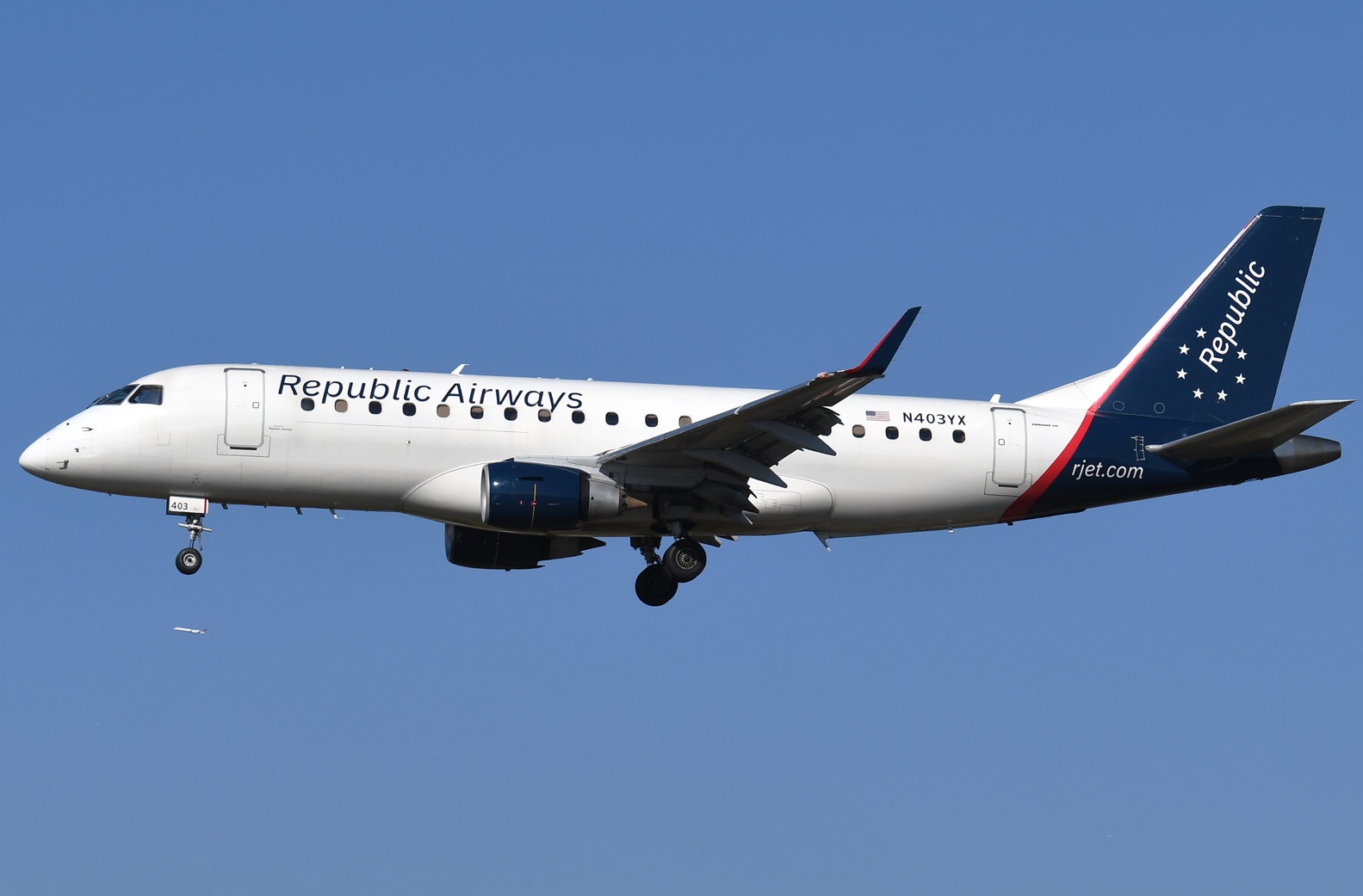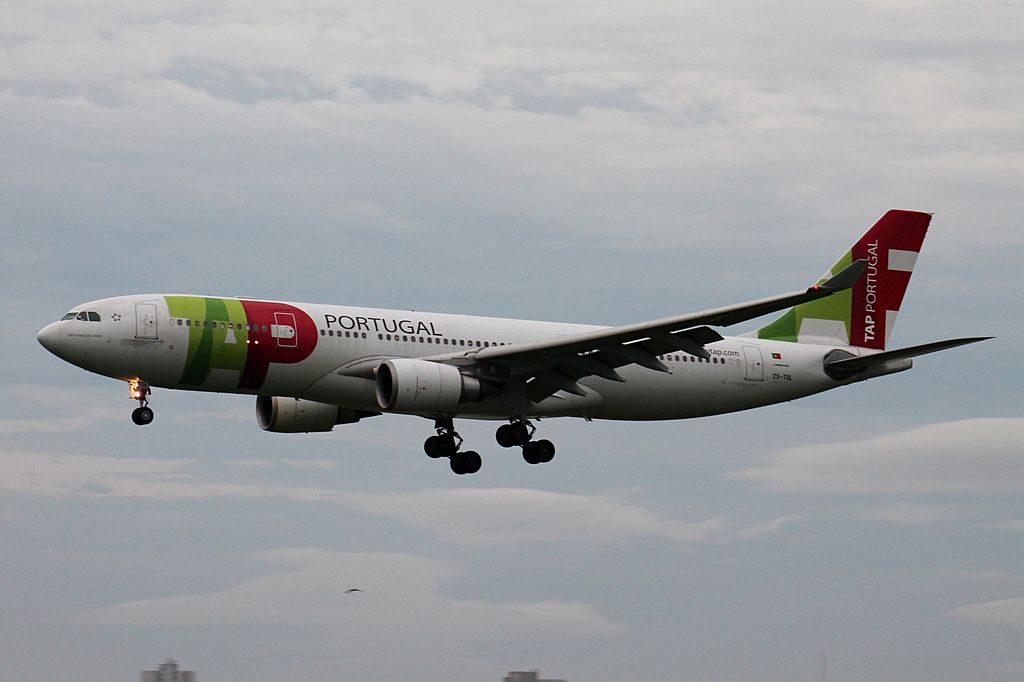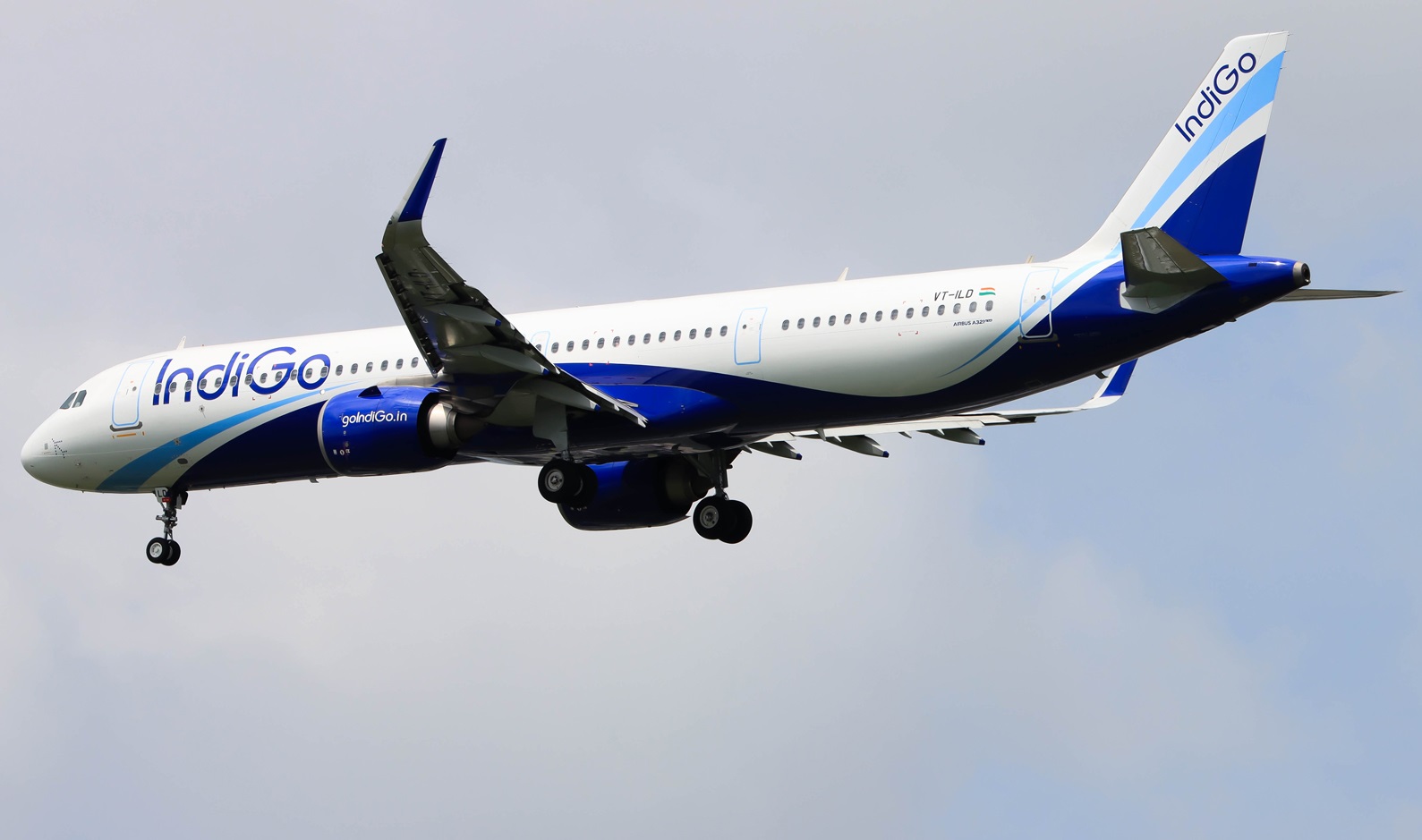



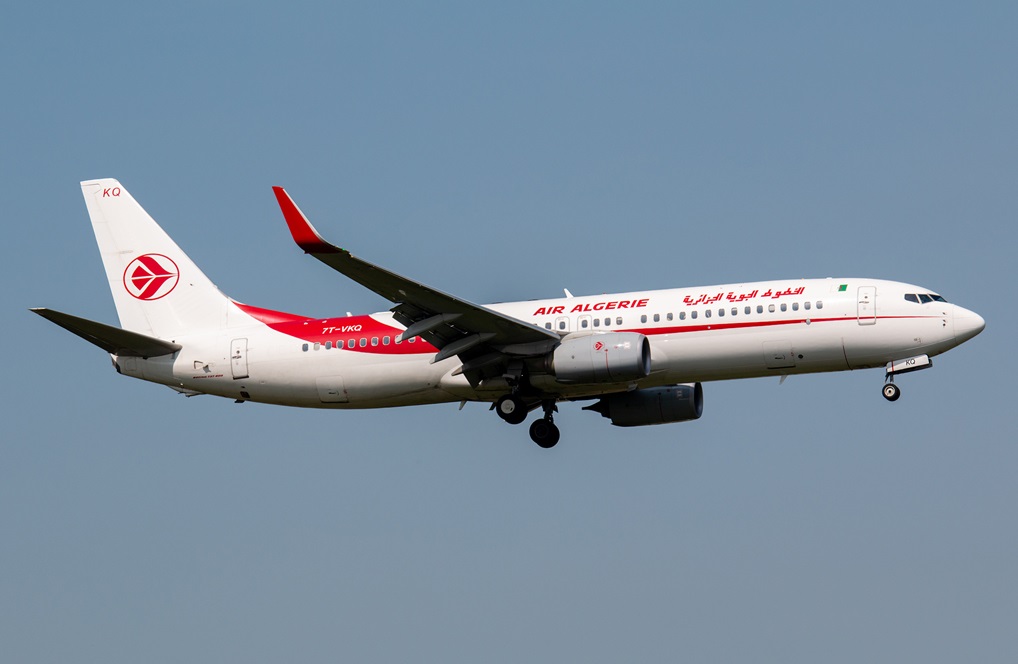
On Sep 5th 2022, a serious runway separation incident unfolded at Lyon Saint-Exupéry Airport when an arriving Air Algérie Boeing 737-800, registration 7T-VKR, and a departing KLM Cityhopper Embraer ERJ-175, registration PH-EXH, used the same runway simultaneously in a sequence that later drew sharp scrutiny from investigators.
The Air Algérie jet, operating flight AH-1080 from Oran to Lyon, was on final approach to runway 17L at 10:18 local time (08:18Z). At the same time, the KLM Cityhopper ERJ-175, operating flight KL-1414 from Lyon to Amsterdam, lined up on the same runway and began accelerating for departure.
According to France’s Bureau d’Enquêtes et d’Analyses pour la sécurité de l’aviation civile (BEA), runway separation between the two aircraft was lost. The occurrence was classified as an incident and formally investigated.
ADS-B data indicates that AH-1080 touched down within the touchdown zone just as KL-1414 crossed the runway end. At that moment, the two aircraft were separated by approximately 1,900 meters (1.03 nautical miles). However, investigators determined that the regulatory runway separation standards in force at the time had not been respected.
The BEA’s final report, first released in French on Oct 31st 2023 and later published in English on Feb 12th 2026, reconstructed a complex and fast-moving sequence of events. The controller had asked the departing Embraer crew whether they were ready for an immediate takeoff. The crew confirmed readiness. However, instead of issuing an immediate takeoff clearance, the controller cleared the aircraft to line up and wait—surprising both crews.
A takeoff clearance was then issued, while the arriving Boeing was advised to expect a late landing clearance. The landing clearance for the Air Algérie 737 was eventually issued at approximately 60 feet above ground level and about 200 meters short of the runway threshold. At that point, the controller observed the nose gear of the departing Embraer lifting off the runway surface. Critically, the ERJ-175 was still about 700 meters short of the runway end, meaning the required separation had not yet been achieved when the landing clearance was given.
The BEA’s English report stopped short of assigning a single direct cause but identified a range of contributing factors. Among them was the search for runway traffic optimisation in the absence of clearly defined working methods for managing mixed arrival and departure traffic on a single runway. The BEA had already issued a 2020 recommendation (FRAN-2020-013) calling for better tools to help controllers ensure that required separation distances are respected when arriving aircraft cross the threshold.
Investigators also cited a lack of assimilation of new procedures abolishing reduced separation on runway 17L. This, they suggested, was likely linked to insufficient support from France’s air navigation authority (DSNA) to local operational centres, inadequate assessment of how regulatory changes would affect controllers’ working methods, and limited awareness-raising and information transmission regarding procedural updates.
The report further highlighted that the local (LOC) controller and her assistant were heavily focused on A-SMGCS surface movement alerts, reducing their monitoring of the aircraft on final and the departing aircraft’s progression. There was also a lack of clear guidance on task distribution between the controller and assistant concerning traffic coordination and A-SMGCS management.
Ironically, the Advanced Surface Movement Guidance and Control System (A-SMGCS), intended to enhance situational awareness, did not resolve the conflict and instead increased workload. The BEA pointed to limited practical training, incomplete operational documentation, inappropriate alert server settings that did not reflect abolished reduced separation rules, and insufficient evaluation of how the new system would impact controller workflow. No operational restrictions had been applied during the system’s introduction, such as limiting its use to certain traffic conditions.
Although the aircraft ultimately maintained a physical distance of nearly two kilometers when the arriving jet touched down and no injuries occurred, the event exposed systemic weaknesses in procedure implementation, training, and technological integration. More than three years after the near overlap on runway 17L, the BEA’s findings underscore that optimizing runway throughput without robust safeguards can erode safety margins in subtle but critical ways.