


A cargo flight bound for South Australia was forced into a high-speed rejected takeoff at Melbourne on February 17th 2026 after air traffic control warned the crew of a vehicle at a runway intersection ahead.
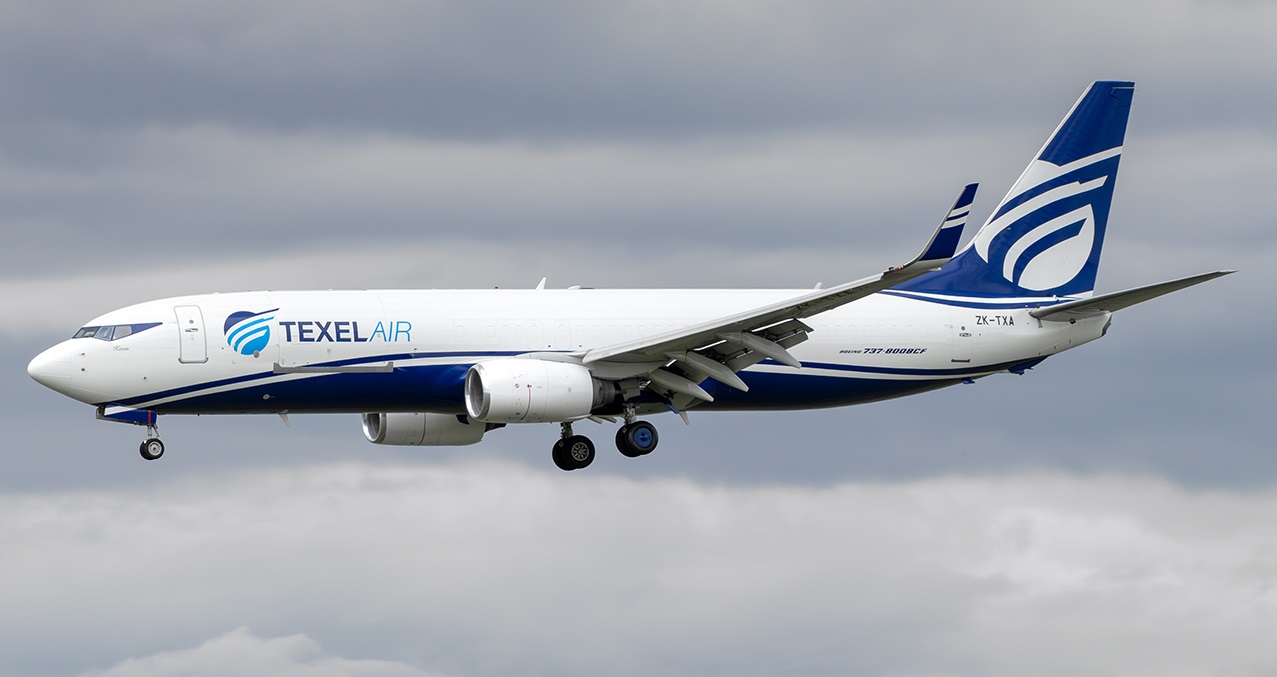
The Texel Air Australasia Boeing 737-800 freighter, registered ZK-TXB, was operating flight TFX-36 from Melbourne to Adelaide. The aircraft was accelerating for departure on runway 34 at Melbourne Airport when air traffic control alerted the pilots to a ground vehicle at the intersection of runways 16/34 and 09/27.
With the jet already at high speed—about 140 knots over ground—the crew initiated a rejected takeoff. During the deceleration, the aircraft crossed runway 09/27 before continuing along runway 34. The 737 vacated at the last available taxiway at the runway end and came to a stop on the parallel taxiway, where it remained for approximately 20 minutes before returning to the apron.
Roughly one hour after arriving back on stand, the freighter taxied out again, departed without further issue, and completed the short sector to Adelaide safely.
The Australian Transport Safety Bureau classified the occurrence as a serious incident and opened an investigation, stating: “During the take-off on runway 34 at Melbourne Airport, the pilot of a Boeing 737 was alerted by ATC to a vehicle on the runway at the intersection of runway 09/27 and as a result conducted a high-speed rejected take-off.”
High-speed rejected takeoffs are among the most demanding maneuvers for flight crews, requiring rapid decision-making and maximum braking performance. In this case, the timely warning from ATC and the crew’s decisive response prevented a potentially far more serious runway incursion event.