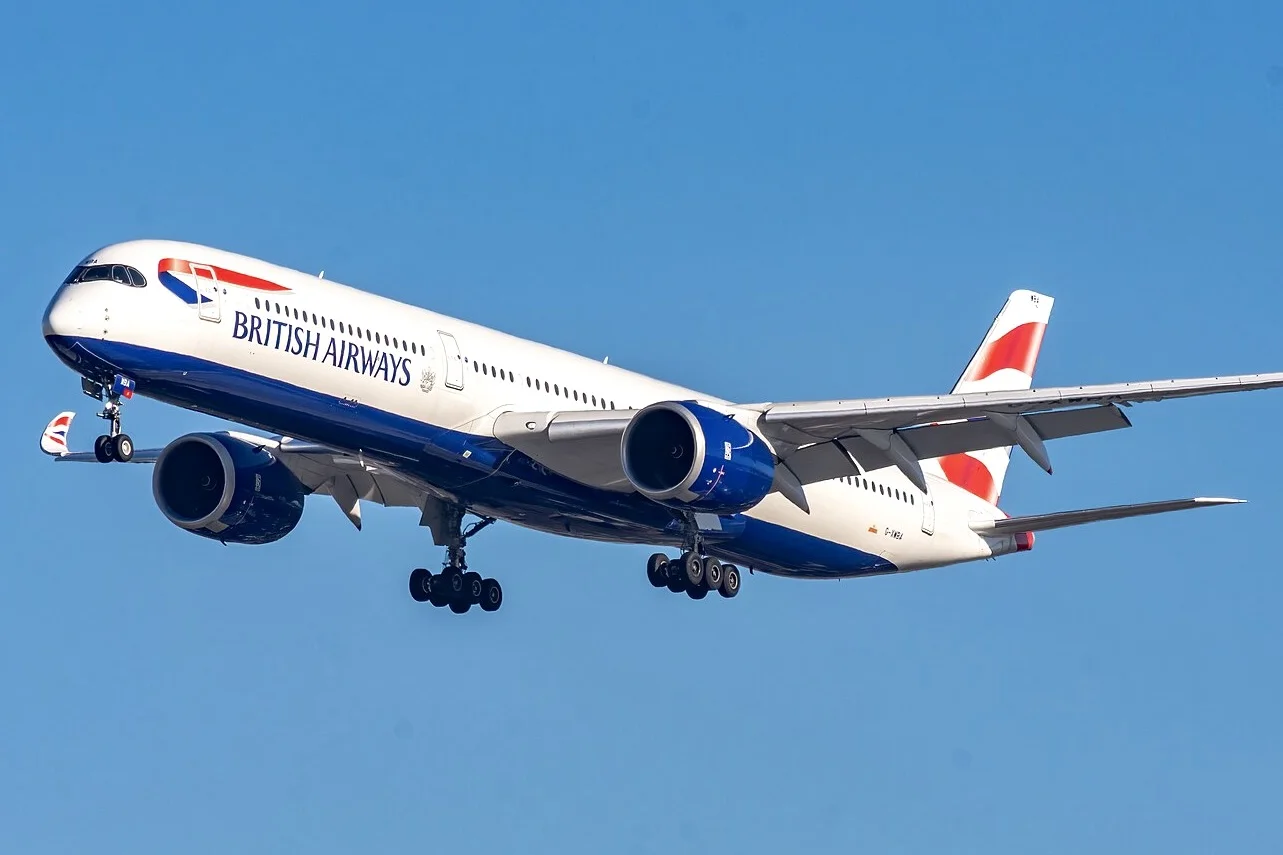




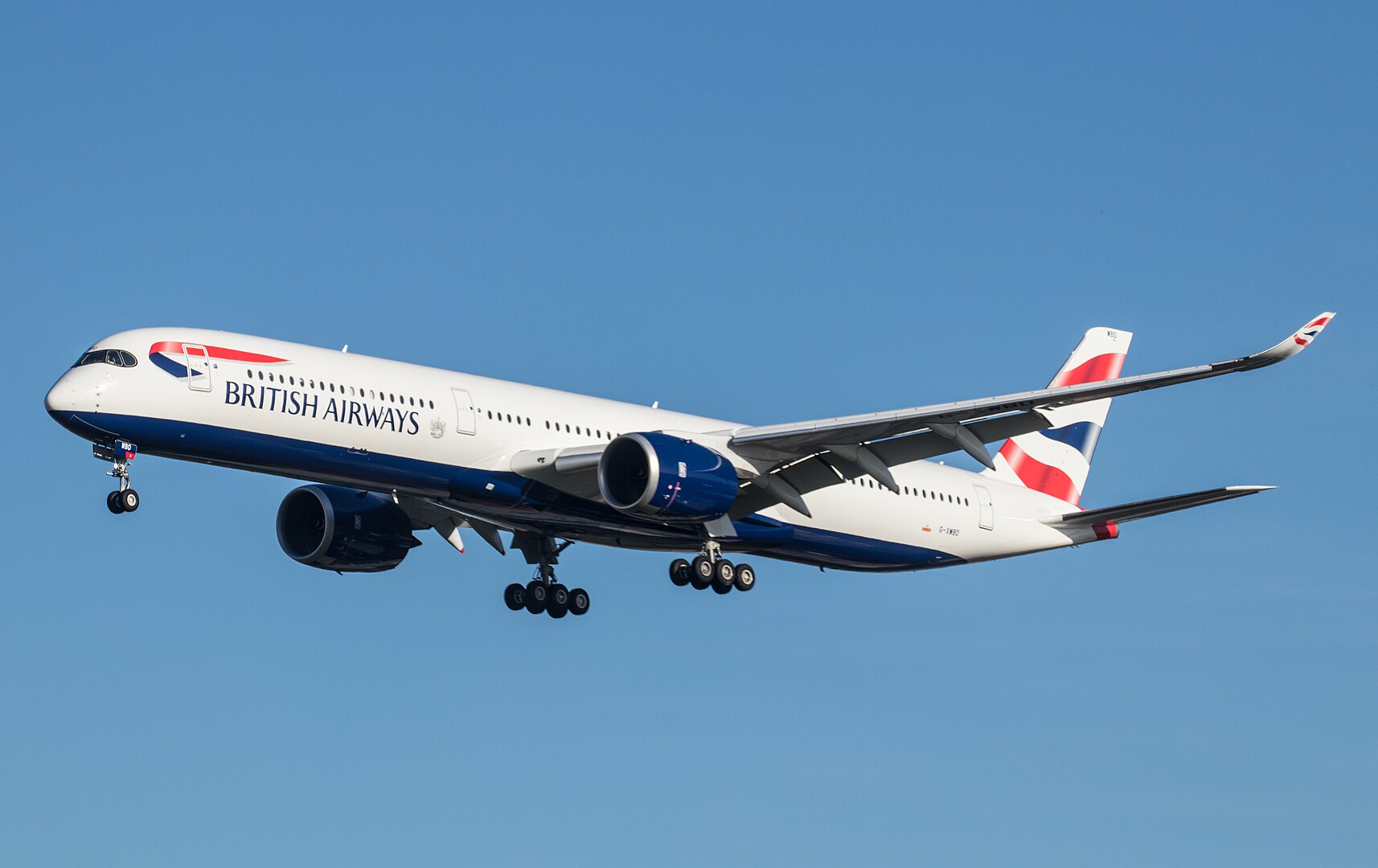
A routine overnight Atlantic crossing turned into a high-altitude troubleshooting exercise on February 19th 2026, when a British Airways Airbus A350-1000 temporarily lost power on one engine before the crew successfully restored it and continued to London.
The British Airways Airbus A350-1000, registered G-XWBR, was operating flight BA-274 from Las Vegas, Nevada to Heathrow Airport, having departed the United States on February 18th. While cruising at Flight Level 390 approximately 110 nautical miles southwest of Halifax, Nova Scotia, the right-hand Rolls-Royce Trent XWB engine lost power.
The flight crew declared PAN PAN, indicating an urgent but not immediately life-threatening situation, and initiated a drift down to Flight Level 200 in accordance with long-range twin-engine procedures. Despite the power loss, the engine 2 master switch remained ON and no immediate fault indications appeared on the aircraft’s electronic centralized aircraft monitoring (ECAM) system. An attempt to restart the engine was unsuccessful.
As troubleshooting continued, the crew received an ECAM message stating “ENG 2 HP FUEL VLV NOT OPEN.” They also observed that the engine fire switch was protruding. After consulting with company maintenance control, the pilots reseated the fire switch. Following that action, a subsequent restart attempt proved successful and the engine returned to normal operation.
With power restored, the crew cancelled the PAN PAN call, climbed back to Flight Level 390, and resumed the transatlantic journey. The aircraft landed safely at Heathrow approximately five hours and fifteen minutes later.
The jet remained on the ground in London until February 26th 2026 for inspections and technical checks before returning to service.
Modern long-haul aircraft are certified to continue safe flight on a single engine, and drift-down procedures are designed to maintain terrain and obstacle clearance while reducing engine workload. In this case, disciplined systems management and coordination with maintenance support allowed the crew to diagnose and correct the issue mid-ocean, turning a potentially serious diversion into a controlled continuation across the Atlantic.