
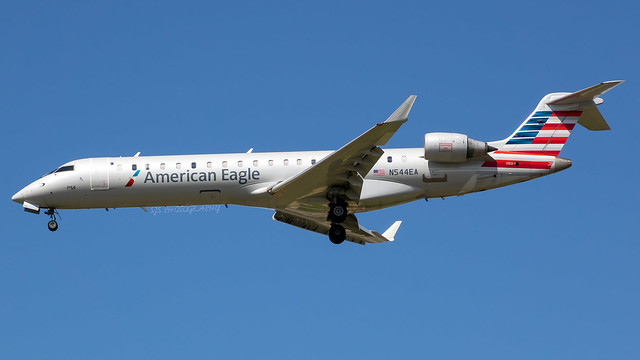
On Jan 29th 2025, a routine evening arrival into Washington, DC, turned into one of the deadliest aviation accidents in recent U.S. history when a passenger jet and a military helicopter collided in midair over the Potomac River.
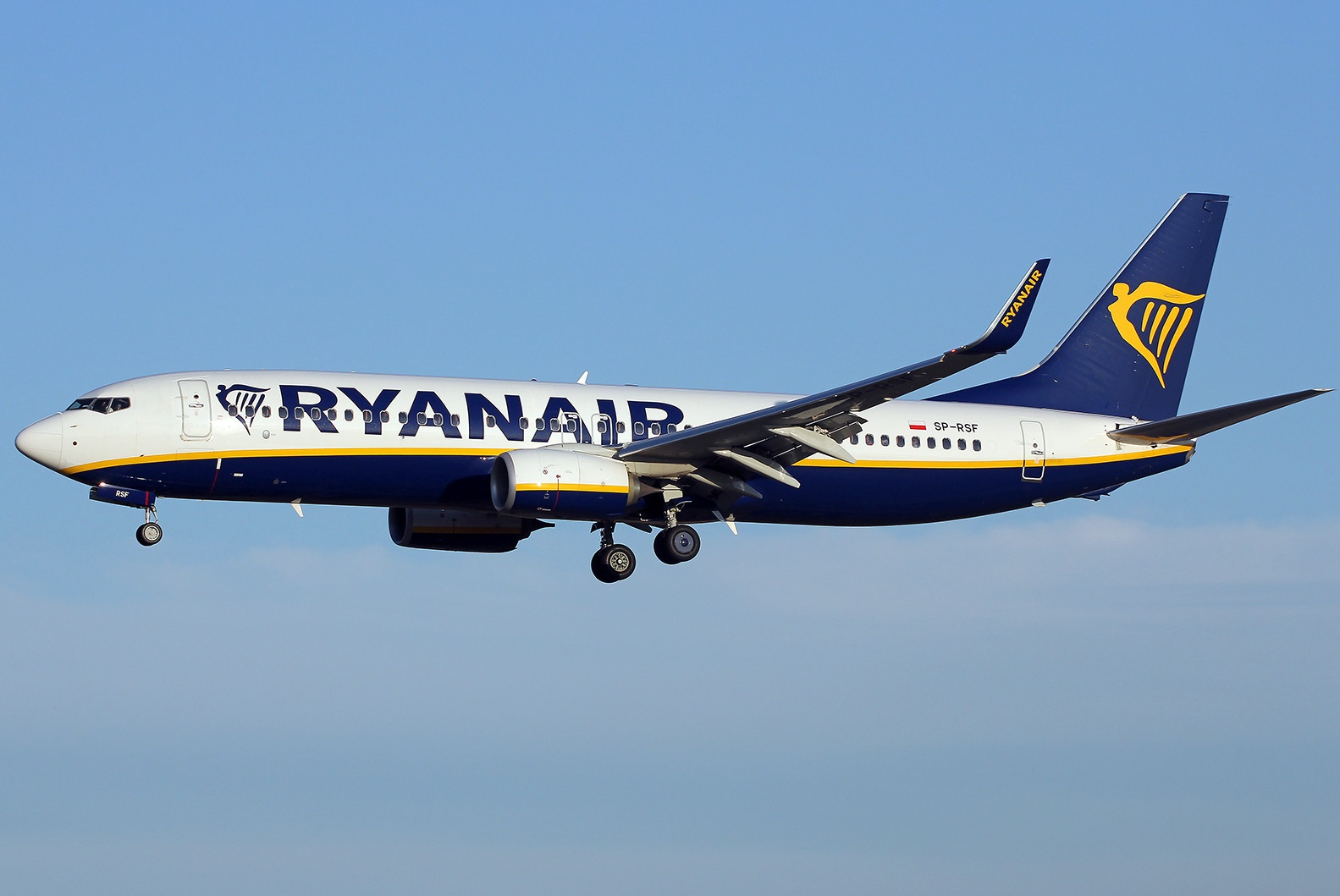
PSA Airlines flight AA-5342, a Canadair CRJ-700 operating on behalf of American Airlines, was arriving from Wichita, Kansas, carrying 60 passengers and 4 crew. As the aircraft approached Ronald Reagan Washington National Airport, the crew was asked by air traffic control if they could switch from runway 01 to runway 33 for landing. The crew agreed and continued the approach. Descending through about 200 feet above ground level and just 0.6 nautical miles from the threshold of runway 33, the jet struck a U.S. Army Sikorsky UH-60 Black Hawk helicopter, call sign PAT25, which was conducting a training mission with three occupants on board.
The collision occurred at 20:46 local time. Both aircraft broke apart and plunged into the icy waters of the Potomac River. A stunned transmission was heard moments later: “Tower, did you see that?” Air traffic control immediately halted all departures, instructed arriving aircraft to go around, and closed the airport. Aircraft waiting to depart were ordered back to the apron as emergency crews rushed toward the crash site.
Within minutes, a massive search and rescue operation was underway involving helicopters, boats, and hundreds of state and federal personnel. The frigid river temperatures meant survival time was extremely limited. By the early hours of Jan 30th, authorities confirmed fatalities and announced there were no survivors. The operation was formally changed from rescue to recovery later that morning. In total, all 67 people aboard both aircraft perished.
Eyewitnesses described seeing sparks in the sky before the jet rolled violently and fell upside down into the river. Debris from both aircraft was scattered across the water and shoreline, complicating recovery efforts. The airport remained closed for days as investigators secured the area and began the painstaking process of reconstruction.
The FAA and the National Transportation Safety Board launched a full investigation, with the NTSB leading. Both flight recorders from the CRJ and the combined recorder from the helicopter were eventually recovered and analyzed, along with radar data, air traffic control recordings, and multiple videos of the collision. The investigation revealed that the helicopter was flying along a published helicopter route that passed dangerously close to the final approach path for runway 33, relying on visual separation in a complex nighttime environment.
In late January 2026, following a public board meeting, the NTSB concluded that the probable cause of the accident was the FAA’s placement of helicopter routes too close to runway approach paths and its long-standing failure to act on known collision risks. Also cited were the air traffic system’s overreliance on visual separation, degraded tower performance due to high workload, and ineffective visual separation by the helicopter crew. Contributing factors included limitations of collision avoidance systems, strained airport capacity, unresolved safety recommendations, and deficiencies in military altitude awareness and safety management.
The tragedy over the Potomac exposed deep systemic issues that had built up over years, not moments. What began as an ordinary approach ended in a catastrophic convergence of aircraft, procedures, and human limitations—forever changing aviation operations around Washington, DC, and leaving behind a stark reminder of the cost of unresolved risk.