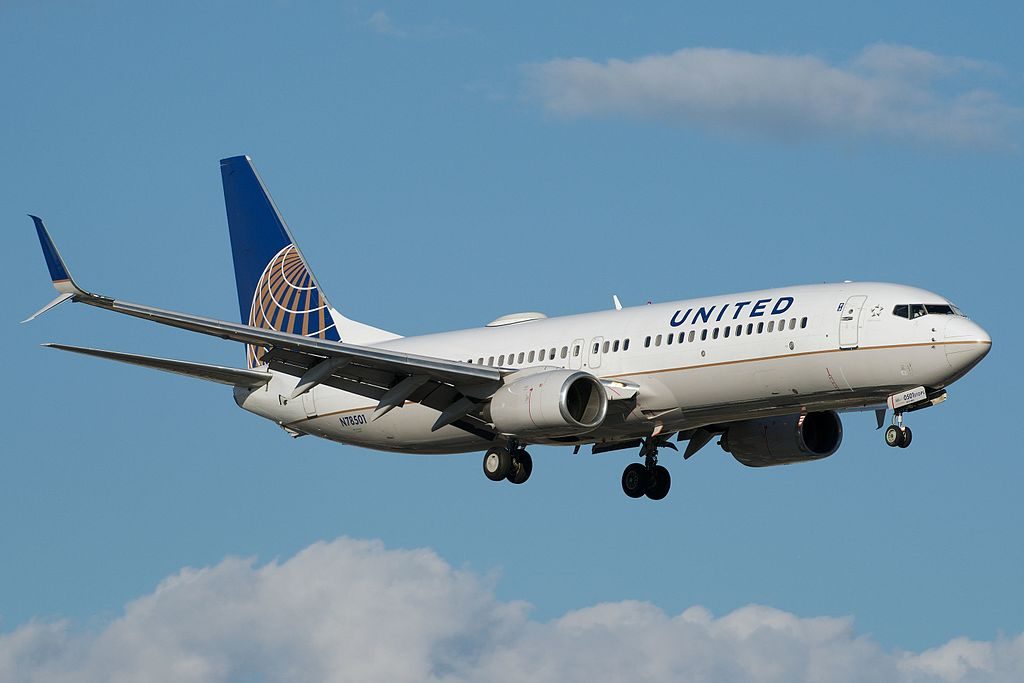





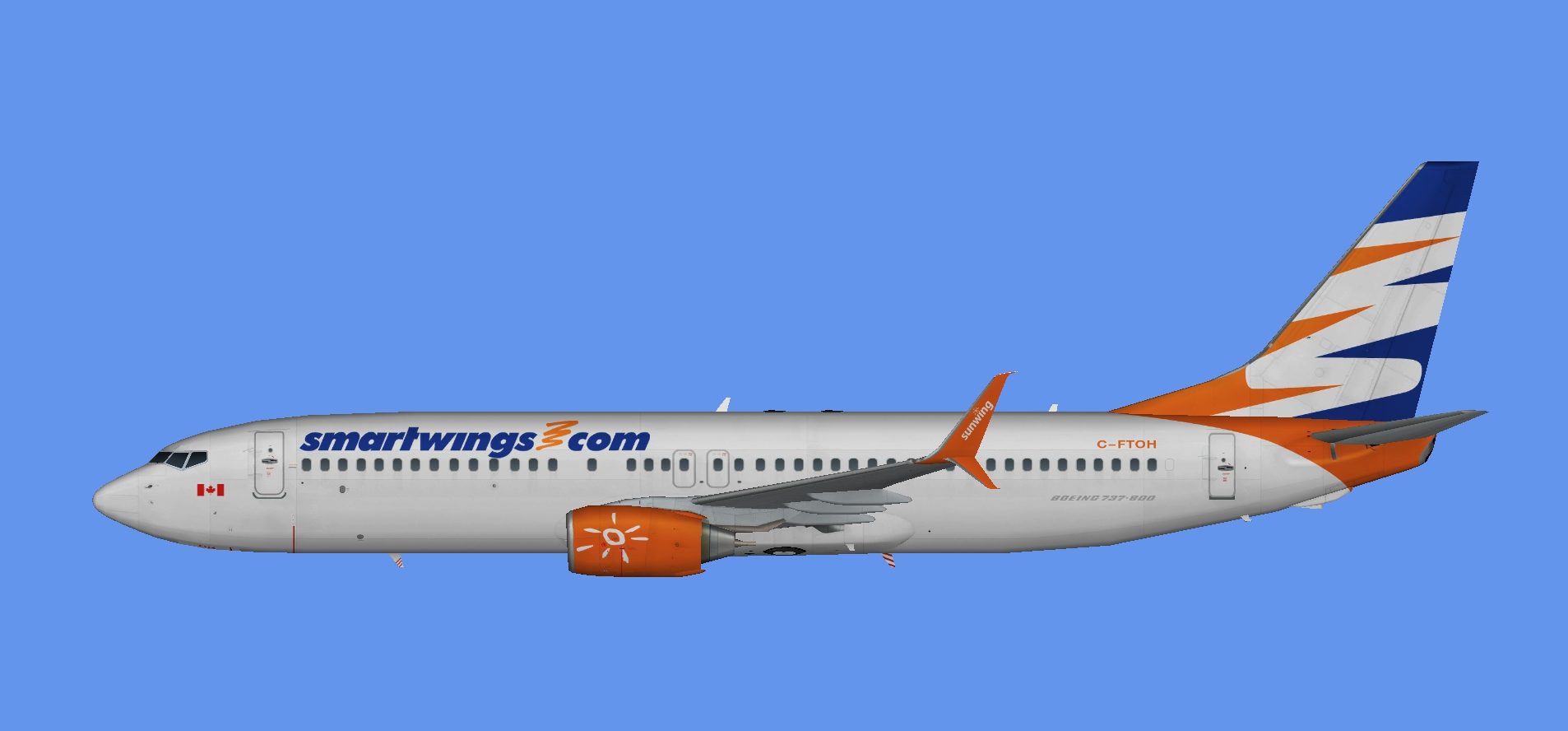
On Dec 6th, 2025, a Smartwings Boeing 737-800, registration OK-TVW, operating flight QS-1153 from Malaga, Spain, to Prague, Czech Republic, was forced to divert shortly after departure following a series of multiple system warnings in the cockpit.
The aircraft was climbing out of Malaga when the flight crew received several fault messages in quick succession, including EQUIP DOOR, WINDOW OVERHEAT (L FWD, R SIDE), GEN 1 TRANSFER BUS OFF, STBY PWR OFF, and TR UNIT. Faced with the combination of warnings affecting electrical power and aircraft systems, the crew decided to divert as a precaution.
The Boeing 737 diverted to Barcelona, Spain, where it landed safely about 90 minutes after departure without further incident.
Czechia’s aircraft accident investigation authority UZPLN later reported that the same fault messages had already occurred on the previous flight QS-1152 to Malaga. That earlier flight had landed normally, after which maintenance personnel inspected the aircraft in Malaga but found no fault and released it back into service.
Following the diversion to Barcelona, maintenance carried out another inspection and cleared the aircraft under minimum equipment list (MEL) provisions for an inoperative Generator 1 and Equipment Door. The aircraft was then able to position to Prague, where more extensive troubleshooting was conducted.
In Prague, technicians replaced the generator bus contactor, which eliminated the Generator 1 fault. The front entry door was also inspected, and a door sensor was found stuck in the open position. After the sensor was repaired, both MEL items were cleared, allowing the aircraft to return fully to service.
The incident highlights how intermittent electrical and sensor-related faults can generate complex warning scenarios, requiring conservative decision-making by flight crews and detailed follow-up maintenance to identify and rectify underlying issues.