
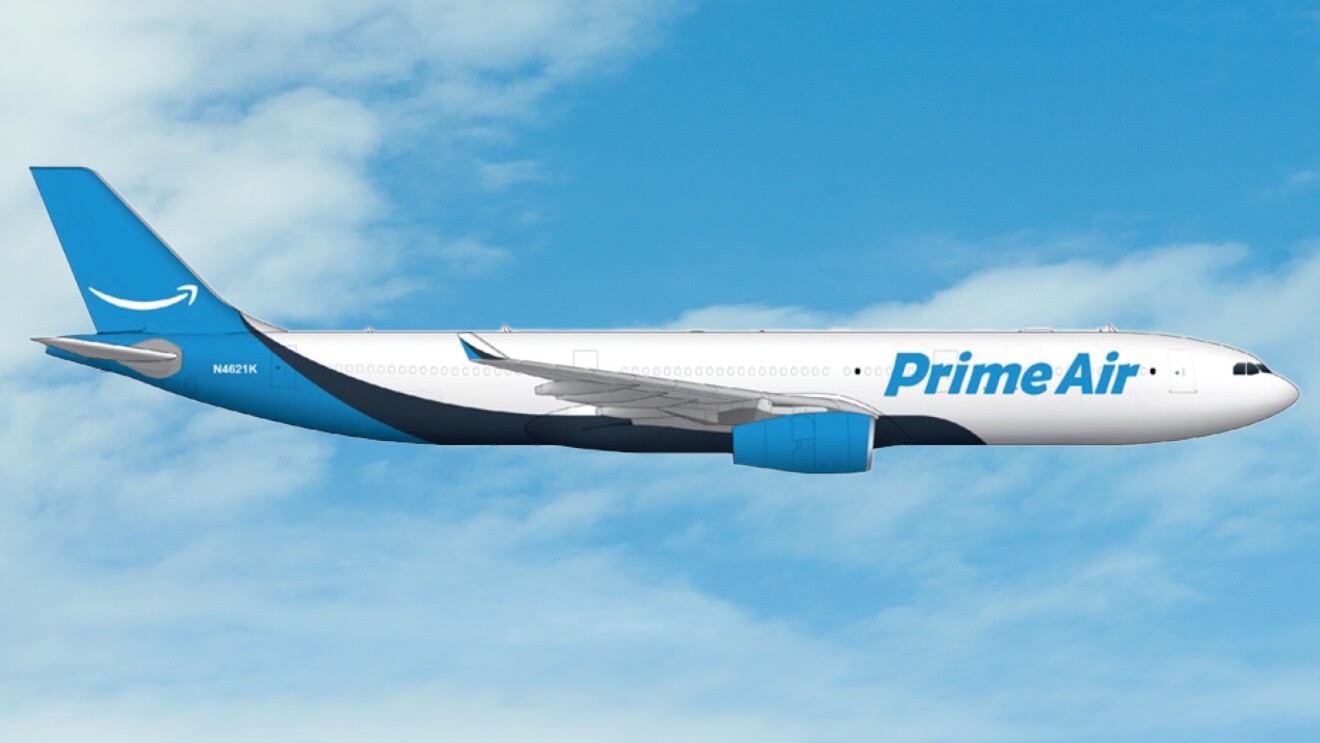
On Jan 28th 2026, an Amazon Prime Air Airbus A330-300 was forced into an emergency return to its departure airport just minutes after takeoff when a bird strike triggered serious problems with one of its engines.
The aircraft, registered N5827K and operating flight AS-2616 from Cincinnati, Kentucky, to Houston Intercontinental, Texas, had just departed Covington’s runway 27 when the left-hand Rolls-Royce Trent 772 engine ingested multiple birds. Almost immediately after liftoff, the crew stopped the climb at around 3,000 feet as abnormal indications appeared and smoke entered the cockpit.
As the situation escalated, the two pilots donned their oxygen masks and declared the need to return to Cincinnati. The A330 turned back and landed safely on runway 36R approximately ten minutes after departure. After stopping on the ground, the crew requested a ladder to the forward right door, advising air traffic control that there was an engine fire on the left-hand side and that they wanted engine number one inspected before any further actions.
The FAA later confirmed the seriousness of the event, stating that the aircraft struck a bird during takeoff, resulting in a left engine fire and a return to the airport.
The cargo aircraft remains on the ground in Cincinnati about 23 hours after landing, as inspections and maintenance are carried out. While the flight involved only crew members and no passengers, the incident once again highlights how bird strikes—especially during the critical takeoff phase—can quickly develop into major in-flight emergencies requiring immediate and decisive crew action.