
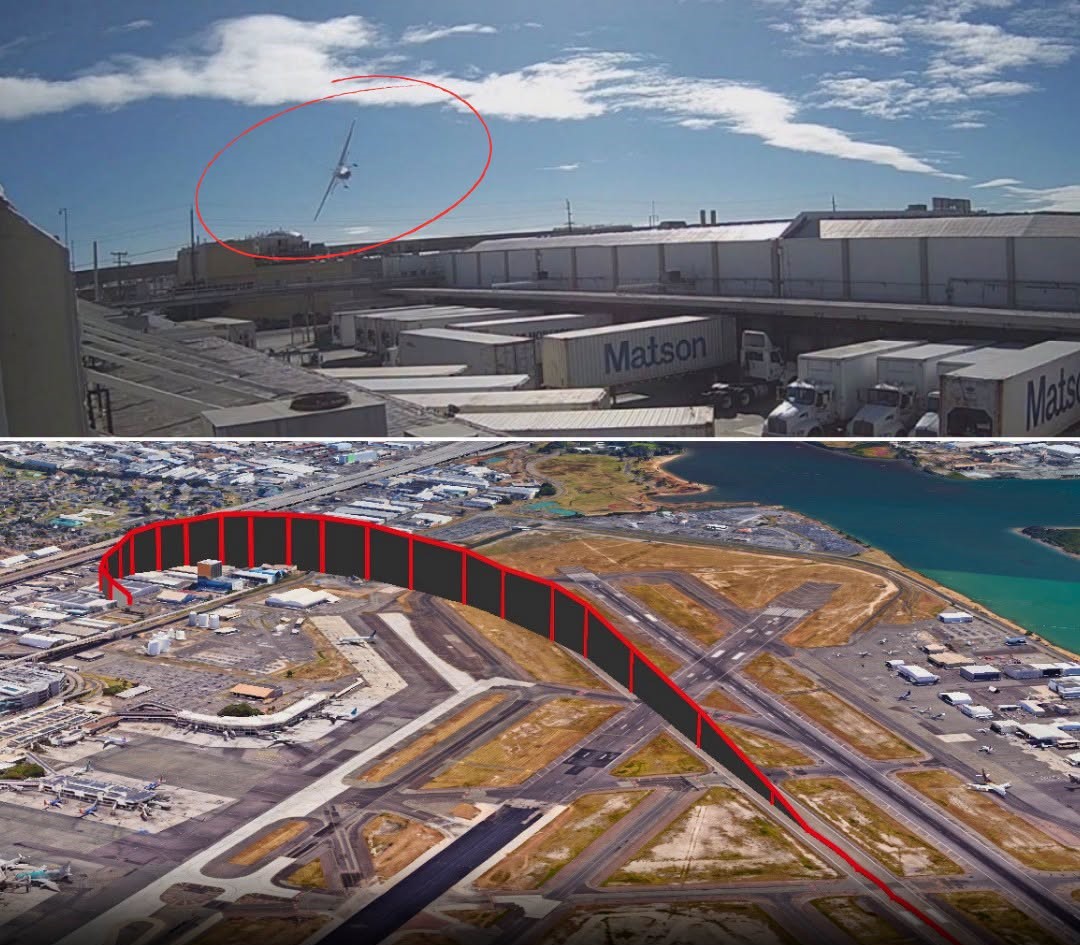
The NTSB has released its final report into the December 17, 2024, Kamaka Air crash in Honolulu, Hawaii, which killed both pilots aboard a Cessna 208B Grand Caravan.
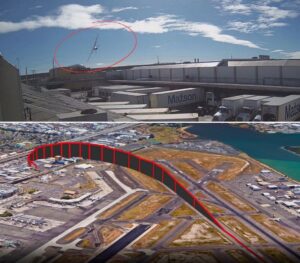
According to investigators, the aircraft crashed shortly after taking off from Daniel K. Inouye International Airport while conducting a training flight to Lanai.
The aircraft unexpectedly began turning left after takeoff. When air traffic control questioned the pilots about the manoeuvre, the flight instructor responded: “We are… we have… we are out of control here.”
The aircraft reached only about 350 feet before entering an increasingly steep left turn and crashing into an abandoned building. A post-impact fire destroyed much of the wreckage. Both pilots were killed.
The investigation revealed that the left flap interconnect rod had fractured in flight, causing the left flap to move to approximately 5 degrees while the right flap remained extended at 20 degrees. This dangerous imbalance caused an uncontrollable left roll, leaving the pilots insufficient altitude to recover.
Investigators traced the failure to improper flap system maintenance and incorrect cable tension. They also uncovered inadequate mechanic training, poor maintenance documentation and failures to follow the airline’s FAA-approved maintenance programme.
The findings raised further concerns when post-crash inspections discovered incorrect flap cable tension in four of the airline’s six remaining Cessna 208 aircraft.
The NTSB identified improper maintenance as the primary cause, with Kamaka Air’s inadequate mechanic training and supervision contributing to the tragedy.
The report highlights how maintenance failures and inadequate safety oversight can turn a routine training flight into a fatal accident.