
On September 18, 1961, one of the most enduring mysteries in United Nations history unfolded near Ndola, then in Northern Rhodesia, now Zambia.
A Transair Sweden Douglas DC-6B named Albertina, registered SE-BDY and operating on behalf of the United Nations, crashed during a nighttime approach to Ndola Airport, killing all 16 people aboard. Among the victims was Dag Hammarskjöld, the second Secretary-General of the United Nations.
Hammarskjöld was flying from Léopoldville in the Republic of the Congo toward Ndola for negotiations with Moïse Tshombe, leader of the breakaway Katanga region.
The Congo Crisis had created intense political and military tensions, and Hammarskjöld was attempting to negotiate a ceasefire and advance a peaceful settlement.
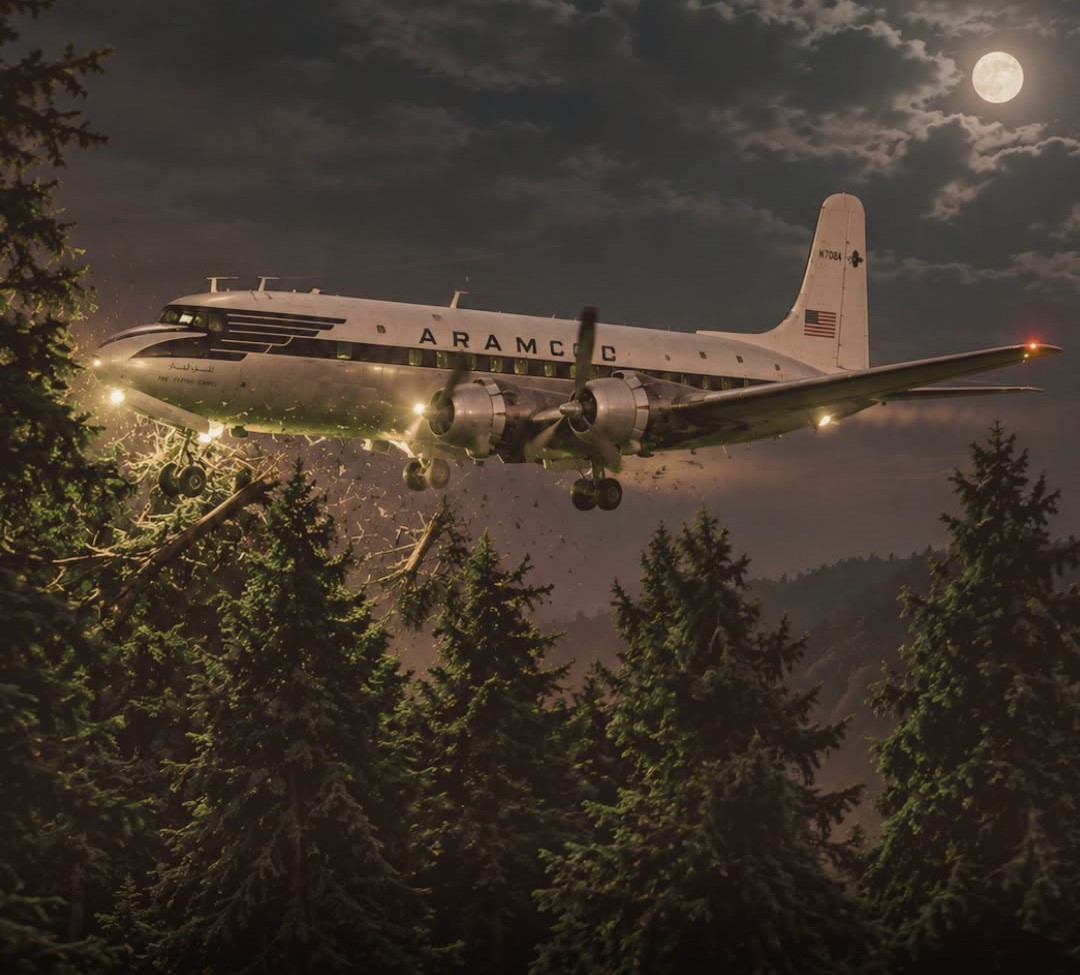
The aircraft approached Ndola shortly after midnight. Instead of reaching the airport, the DC-6 descended over woodland approximately 15 kilometers west of the runway and struck trees before crashing into the ground.
The aircraft broke apart and caught fire. Fourteen of the 15 passengers were killed in the crash, while Swedish UN security officer Harold Julien survived initially but died from his injuries five days later.
The circumstances immediately raised questions. Witnesses reported seeing a bright flash or flashes in the sky around the time of the accident, while Julien reportedly described a series of explosions before the crash.
These accounts fueled speculation that the aircraft might have been attacked, sabotaged or forced from the sky.
The first Rhodesian investigation searched a large area along the aircraft’s final flight path but found no evidence of a bomb, surface-to-air missile or hijacking. Investigators ultimately concluded that the aircraft had flown too low and struck trees, identifying pilot error as the probable cause.
However, a subsequent United Nations investigation reached a more cautious conclusion. It found no evidence sufficient to establish sabotage or an attack, but it also could not exclude those possibilities.
The UN investigation also highlighted serious delays in the search-and-rescue response. The wreckage was not discovered until after critical time had been lost, raising questions about whether faster action could have saved Julien or possibly others.
The investigation also examined reports that two Swedish bodyguards had suffered apparent bullet wounds. Officials concluded that the wounds were superficial and that ammunition cartridges had exploded in the post-crash fire. Critics later challenged that explanation, arguing that the evidence deserved further examination.
Decades later, the mystery remained unresolved. A 2015 UN-appointed panel examined new eyewitness accounts and other information, including reports suggesting that the aircraft may have been on fire before reaching the ground. In 2024, the United Nations said that important information concerning the crash was still being withheld by some member states.
More than six decades later, the exact cause of the Ndola crash remains disputed. Official investigations never established that Hammarskjöld was assassinated, but neither did they conclusively eliminate every possibility of external interference. The crash therefore remains one of aviation history’s most closely examined and unresolved tragedies, forever linking a mysterious nighttime accident with the death of a UN Secretary-General attempting to broker peace.