



A tragic charter flight crash in Canada’s Northwest Territories that claimed six lives shortly after takeoff has been traced to a combination of an abnormal landing gear indication, a non-standard departure technique, and cockpit distraction during a critical phase of flight.
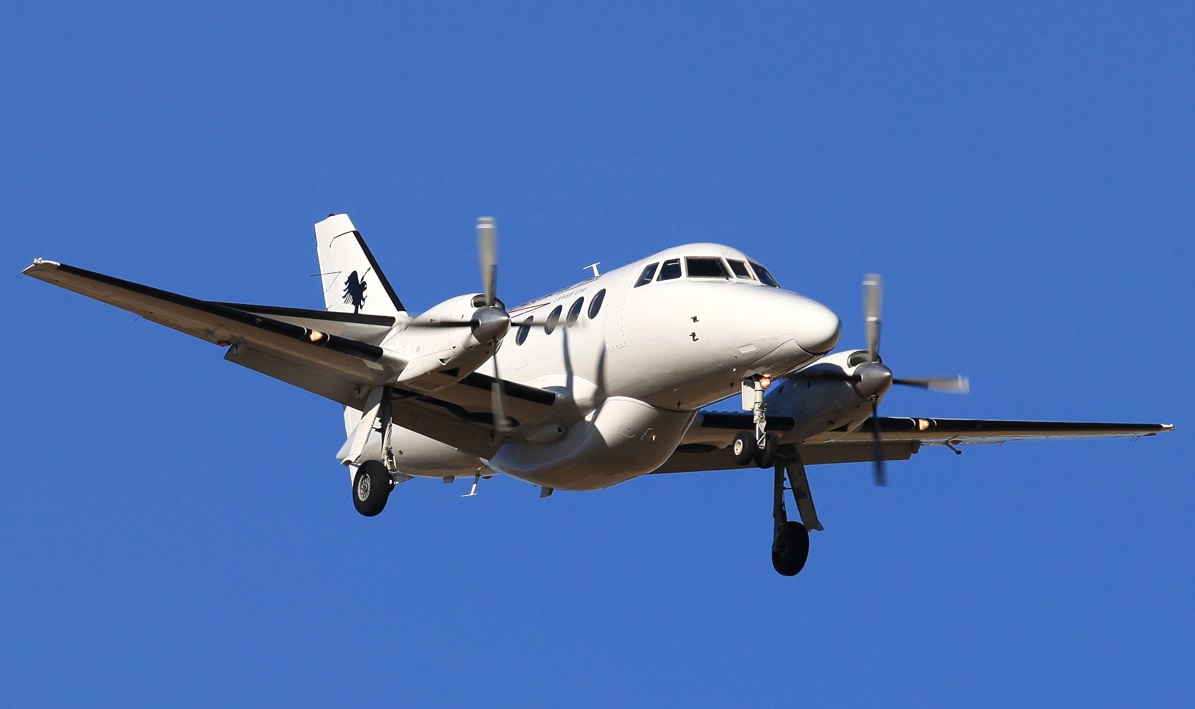
On January 23rd 2024, a Northwestern Air Lease BAE Jetstream 3212, registration C-FNAA, departed Fort Smith Airport on runway 30 bound for Diavik Mine Airport. The charter flight was carrying five passengers and two crew members, transporting workers to the Rio Tinto-operated Diavik Diamond Mine.
At about 08:45 local time, shortly after takeoff, the aircraft lost height and crashed into terrain approximately 500 to 1,100 meters beyond the end of the runway, near the banks of the Slave River. The aircraft was destroyed by the impact and a post-crash fire.
Initial reports in the hours after the accident were unclear regarding the number of casualties, with early speculation suggesting that most of the occupants had been killed. Emergency response teams were quickly dispatched, with rescuers parachuted into the crash site due to the challenging terrain. Local medical authorities activated a mass casualty protocol at around 08:50.
By the afternoon of January 24th 2024, officials confirmed that both pilots and four passengers had died in the crash. One passenger survived with serious injuries and was transported to hospital in Yellowknife.
The accident prompted an extensive investigation by the Transportation Safety Board of Canada (TSB), which deployed investigators to the site shortly after the crash.
More than two years later, on March 5th 2026, the TSB released its final report detailing the chain of events that led to the fatal accident.
Investigators found that during departure the captain intentionally used a shallow climb profile, maintaining a low pitch attitude and higher-than-normal airspeed. The captain believed the technique would help remove falling snow from the aircraft’s wings by airflow during acceleration.
This decision resulted in a departure profile much closer to the ground than a standard takeoff. Flight data showed the aircraft climbed at a pitch of about 5 degrees, significantly lower than the 8 to 10 degrees recommended in company procedures. The aircraft consequently accelerated rapidly, reaching speeds of about 165 knots.
When the crew selected the landing gear up, the combination of very cold temperatures—below approximately −20°C—and the high aerodynamic load from the elevated speed likely prevented one of the main landing gear units, most probably the left one, from fully retracting.
The first officer called for a reduction in airspeed. In response, the captain reduced engine power to slow the aircraft so the gear could retract properly. However, the power reduction occurred when the aircraft had reached only about 140 feet above ground level due to the shallow climb.
The reduced thrust caused the aircraft to enter an unintended descent. Investigators determined that the descent lasted only about 10 seconds before the aircraft struck trees and terrain.
Both pilots were likely preoccupied with the abnormal landing gear indication and airspeed management and failed to detect the developing descent in time to recover.
The investigation also revealed that the left main landing gear had a history of intermittent retraction issues in very cold temperatures when airspeed exceeded about 140 knots. Maintenance personnel were aware of the problem but had difficulty reproducing it during ground tests. Because the issue occurred infrequently and had a known operational workaround—reducing airspeed to allow the gear to retract—it was not widely perceived as a significant safety risk.
As a result, pilots often did not record the defect in the aircraft’s technical logs, meaning maintenance teams had limited documentation of the recurring issue.
Investigators determined that contamination from falling snow was not a contributing factor to the crash, as performance analysis showed no significant aerodynamic degradation from contaminated surfaces.
The TSB highlighted the dangers of cockpit distraction during critical phases of flight. Immediately after takeoff, the pilots diverted their attention toward troubleshooting the landing gear issue rather than maintaining close monitoring of the aircraft’s climb profile. With the captain focused on the abnormal indication and the first officer concentrating on airspeed and the gear system, neither pilot detected the aircraft’s loss of altitude until moments before impact.
The report also noted shortcomings in company documentation, stating that the operator’s internal guidance material for the aircraft did not reflect the latest procedures published by the manufacturer.
The investigation concluded that the crash resulted from a sequence of operational decisions and distractions that caused the aircraft to descend unnoticed at very low altitude, leaving the crew with no opportunity to recover before striking terrain.